
In the rugged landscapes of the American Southwest, where the threat of environmental disruption looms larger with each passing year, a groundbreaking initiative is redefining the relationship between communities and their power supply. The increasing frequency of extreme weather events and wildfires has exposed the inherent vulnerabilities of traditional, centralized power grids, especially in remote regions. In response, a forward-thinking project in Northern New Mexico is demonstrating how localized energy solutions can provide a powerful defense, ensuring that the lights stay on even when the main grid goes dark. This strategic deployment of microgrid technology represents more than just an infrastructure upgrade; it marks a pivotal shift toward a more resilient, secure, and decentralized energy future.
A Strategic Alliance for Energy Resilience
Forging a Partnership to Power Northern New Mexico
The foundation of this ambitious energy project is a strategic collaboration designed to address the unique challenges facing Northern New Mexico. This region, characterized by its remote communities and difficult terrain, is particularly susceptible to power disruptions that can isolate residents and cripple essential services. Recognizing the urgent need for a more robust electrical system, key industry players came together to develop a solution that directly confronts these vulnerabilities.
This alliance represents a proactive, rather than reactive, approach to grid management. Instead of merely repairing damage after a catastrophic event, the partnership focuses on building an infrastructure capable of withstanding threats from the outset. By combining deep industry expertise with intimate local knowledge, the collaboration is creating a tailored energy solution that serves the specific needs of the communities it powers, setting a new standard for cooperative energy planning.
The Key Players: PowerSecure and Kit Carson Electric Cooperative
At the heart of this initiative are two organizations with a shared vision for a resilient energy future: PowerSecure and Kit Carson Electric Cooperative (KCEC). PowerSecure, a subsidiary of Southern Company, brings a wealth of experience to the table as a national leader in distributed energy solutions, managing over two gigawatts of microgrid capacity across the country. Its technical proficiency in designing and implementing advanced energy systems provides the technological backbone for the project.
Complementing this expertise is KCEC, a member-owned cooperative that has served Northern New Mexico since 1944. As the second-largest cooperative in the state, KCEC possesses an unparalleled understanding of the local landscape and the needs of its nearly 30,000 members. This deep community connection ensures that the project is not just technologically sound but also fundamentally aligned with the mission of providing reliable and innovative energy to the people it serves.
Defining the Mission: Protecting Communities Through Innovation
The core mission of this partnership extends beyond enhancing the electrical grid; it is fundamentally about safeguarding communities. The primary goal is to ensure a stable and continuous power supply during emergencies, thereby bolstering community readiness and protecting public welfare. This objective is being achieved through the integration of advanced microgrid and battery storage technologies designed to operate independently when the main grid is compromised.
This focus on community protection is reflected in the unified vision articulated by the leaders of both organizations. Jim Smith, president of PowerSecure, highlighted the project as a demonstration of the company’s commitment to delivering solutions that support communities in their times of greatest need. Similarly, Luis A. Reyes, CEO of KCEC, emphasized that the initiative is critical for strengthening local resilience, ensuring that the cooperative’s members benefit from a more dependable and secure energy future.
Pioneering a Resilient Energy Future
Harnessing Microgrids Against Environmental Threats
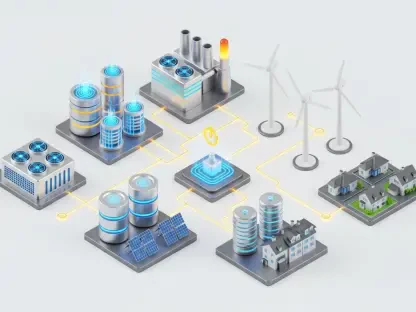
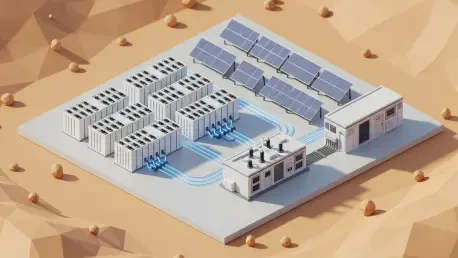
To combat the growing risk of power outages, the project leverages the unique capabilities of microgrids. These localized energy systems are engineered to function as self-sufficient “islands” of power that can disconnect from the larger electrical grid during a disruption. This ability, known as islanding, is crucial for maintaining power to critical facilities and communities when the main grid is shut down or damaged.
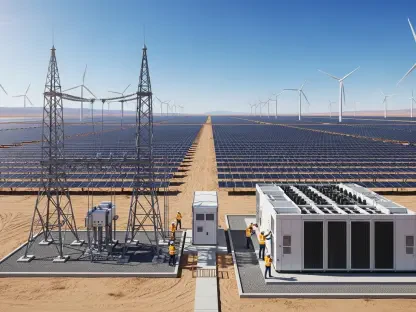
The three new microgrids are strategically located at Taos Ski Valley, El Rito West, and Penasco—areas identified as particularly vulnerable to environmental hazards. By placing these resilient power hubs in high-risk zones, the project ensures that targeted protection is available where it is needed most. This distributed approach provides a powerful defense against widespread blackouts caused by a single point of failure on the traditional grid.
Expanding Capacity with Advanced Battery Storage
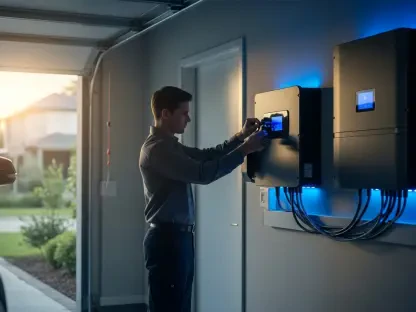
A critical component of these new microgrids is the integration of advanced battery energy storage systems (BESS). The project, which is already under construction, will add 7.5 megawatts (MW) of new BESS capacity to KCEC’s portfolio. This significant expansion provides a total of 38.25 megawatt-hours (MWh) of energy storage, enabling the microgrids to support essential electrical loads for extended periods during an outage.
This substantial investment in battery storage does more than just provide backup power; it fundamentally enhances the flexibility and reliability of the local grid. The BESS can store energy when it is abundant—such as from solar arrays during the day—and discharge it during periods of high demand or when the main grid is unavailable. This capability ensures a smooth and uninterrupted power supply, transforming the grid from a vulnerable network into a resilient and adaptive system.
Confronting the Grid’s Vulnerabilities in the Southwest
The Rising Threat of Wildfires and Extreme Weather
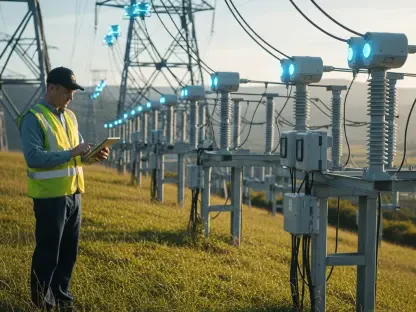
The Southwest is increasingly contending with the severe impacts of climate change, including prolonged droughts, extreme heat, and a heightened risk of catastrophic wildfires. These environmental threats pose a direct and growing danger to the region’s electrical infrastructure. High winds can down power lines, and dry conditions can turn a small spark from electrical equipment into a devastating blaze, making traditional grid management practices increasingly risky.
In this context, the stability of the power grid is no longer a given. The very infrastructure designed to deliver essential power can become a liability during high-risk weather conditions. This reality has forced utilities and cooperatives to reevaluate their strategies and seek innovative solutions that can mitigate these dangers while still providing reliable service to customers.
The Challenge of Maintaining Power in Remote Areas
Maintaining a stable power supply is particularly challenging in the vast and sparsely populated areas of Northern New Mexico. Long transmission lines that traverse rugged terrain are more susceptible to damage and are often difficult and time-consuming to repair. For the communities at the end of these lines, a single disruption can lead to prolonged outages, cutting off access to essential services like healthcare, communications, and clean water.
This geographical reality magnifies the importance of localized energy solutions. Unlike a centralized grid that relies on a sprawling network of vulnerable lines, microgrids provide a source of power that is close to the point of consumption. This proximity dramatically reduces the risk of widespread outages and ensures that even the most remote communities have a reliable source of energy to fall back on during a crisis.
Microgrids as a Solution for Uninterrupted Service
Microgrids emerge as a powerful and practical solution to these multifaceted challenges. By creating pockets of energy independence, they allow utilities like KCEC to maintain service to critical areas even when the broader grid is offline. This capability is not just a matter of convenience; it is a critical component of modern public safety and emergency response.
The implementation of these systems in Northern New Mexico serves as a compelling case study for how to build a more resilient grid. The project demonstrates that by strategically deploying distributed energy resources, it is possible to create a network that is stronger, more flexible, and better equipped to handle the environmental uncertainties of the future. It is a solution that provides both energy security and peace of mind for the communities it serves.
Navigating Public Safety and Power Management
The Role of Public Safety Power Shutoffs
In response to the escalating wildfire risk, utilities across the West have adopted Public Safety Power Shutoffs (PSPS) as a preventative measure. These intentional blackouts are implemented during high-risk weather conditions to de-energize power lines and prevent them from sparking a fire. While PSPS are a necessary tool for preventing disasters, they create a significant challenge: how to protect communities from fire without cutting them off from essential power.
The new microgrids directly address this dilemma. By providing a reliable source of localized power, they enable KCEC to implement a PSPS on the main transmission lines while keeping the lights on for critical facilities and residents within the microgrid’s footprint. This allows the cooperative to proactively manage wildfire risk without compromising the safety and well-being of its members.
Ensuring Continuous Power for Essential Services
During an emergency, maintaining power for essential services is paramount. Hospitals, emergency response centers, communication networks, and water systems all rely on a continuous supply of electricity to function. A prolonged outage can quickly escalate a crisis, hindering rescue efforts and putting lives at risk.
The microgrids are specifically designed to support these critical electrical loads, ensuring that first responders and essential service providers can continue their work uninterrupted. This capability transforms the local grid from a potential vulnerability into a resilient asset that actively supports community safety during a crisis. It is a proactive investment in emergency preparedness that will pay dividends when it is needed most.
A Proactive Approach to Grid Management
This initiative represents a fundamental shift toward a more proactive and intelligent approach to grid management. Rather than simply reacting to outages as they occur, KCEC is building a system that can anticipate and mitigate risks before they escalate. The integration of advanced battery storage and smart controls allows for a level of flexibility and precision that is not possible with traditional infrastructure.
This forward-thinking strategy empowers the cooperative to make smarter decisions about how and when to distribute power, especially during periods of high risk. It is a model of grid management that prioritizes prevention, resilience, and community safety, setting a new benchmark for how utilities can adapt to the challenges of a changing climate.
Setting a Precedent for a Decentralized Grid
A Replicable Model for Modern Energy Infrastructure
The New Mexico microgrid project is more than just a local success story; it serves as a replicable model for modernizing energy infrastructure across the nation. As other rural and remote regions grapple with similar challenges, the collaboration between PowerSecure and KCEC provides a clear blueprint for how to build a more resilient and decentralized grid. The project demonstrates that localized energy solutions are not just viable but are essential for ensuring energy security in the 21st century.
This model is particularly relevant for other member-owned cooperatives, which often serve communities that are most vulnerable to grid disruptions. By showcasing the technical and financial feasibility of microgrids, this initiative can inspire similar projects elsewhere, accelerating the transition toward a more distributed and robust energy system. It is a practical demonstration of how to turn vulnerability into strength.
The Future of Battery Storage in Utility Portfolios
The central role of battery energy storage in this project highlights a broader industry trend: the growing importance of BESS in utility portfolios. As the cost of battery technology continues to decline and its performance improves, energy storage is becoming an indispensable tool for enhancing grid reliability, integrating renewable energy, and managing peak demand.
The KCEC project illustrates how battery storage can be strategically deployed to solve specific grid challenges, such as maintaining power during public safety shutoffs. This application is likely to become increasingly common as utilities seek to balance the demands of safety, reliability, and sustainability. The success of this initiative will undoubtedly encourage further investment in battery storage as a core component of modern grid infrastructure.
Empowering Cooperatives with Localized Energy Control
Perhaps one of the most significant outcomes of this project is the empowerment of a local cooperative with greater control over its energy future. By investing in distributed energy resources, KCEC is reducing its dependence on distant power generation and vulnerable transmission lines. This shift toward localized control enhances the cooperative’s ability to serve its members effectively, especially during emergencies.
This trend toward decentralization is reshaping the traditional utility model, giving communities a greater stake in their own energy security. As more cooperatives and municipalities follow this path, the result will be a more resilient, democratic, and sustainable energy system. The New Mexico project is a powerful example of this transformation in action, proving that the future of energy is not just cleaner, but also closer to home.
A New Dawn for New Mexico’s Energy Security
A Summary of the Project’s Impact and Significance
The development of these three microgrids in Northern New Mexico marks a significant milestone in the evolution of the regional power grid. The project’s impact is multifaceted, delivering enhanced resilience against environmental threats, ensuring the continuity of essential services during emergencies, and providing a proactive tool for wildfire prevention. The strategic alliance between PowerSecure’s technical expertise and Kit Carson Electric Cooperative’s deep community roots has produced a solution that is both technologically advanced and socially responsible. This initiative is a tangible investment in the safety and well-being of nearly 30,000 residents.
The project’s significance extends beyond its immediate practical benefits. It represents a successful proof of concept for the decentralized energy model, demonstrating that localized power generation and storage can effectively address the vulnerabilities of a traditional, centralized grid. In an era of increasing climate uncertainty, this project stands as a testament to the power of innovation and collaboration in building a more secure and dependable energy future.
Future Prospects for Grid Modernization in the Region
The successful implementation of this microgrid network sets a strong precedent for future grid modernization efforts throughout the Southwest and beyond. The project provides a scalable and replicable framework that other utilities and cooperatives can adapt to meet their own unique regional challenges. As the benefits of enhanced reliability and local control become more apparent, it is likely that we will see an acceleration in the adoption of similar distributed energy solutions.
Looking ahead, the integration of additional renewable energy sources, such as solar and wind, with advanced battery storage will further enhance the capabilities of these microgrids. This evolution will not only bolster resilience but also contribute to the region’s broader sustainability goals. The foundation laid by this project opens the door to a future where communities are powered by a network of clean, smart, and highly reliable local energy systems.
Investing in a Dependable and Secure Energy Future
Ultimately, this project is a forward-looking investment in a more dependable and secure energy future for New Mexico. By confronting the realities of a changing climate head-on, KCEC and PowerSecure are moving beyond outdated models of grid management and embracing a more resilient and adaptive approach. This proactive stance ensures that the cooperative is not just prepared for the challenges of today but is also well-positioned to navigate the uncertainties of tomorrow.
This commitment to innovation and community safety serves as an inspiring example for the entire energy industry. It underscores the principle that a modern grid must be designed to protect the people it serves, providing a reliable foundation upon which communities can thrive. The new microgrids of Northern New Mexico are more than just infrastructure; they are a symbol of a brighter, safer, and more secure energy dawn.