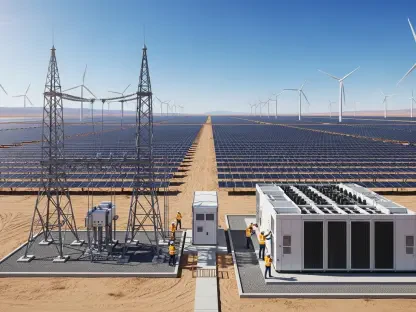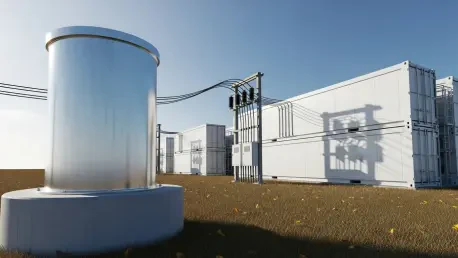

As the global transition toward renewable energy accelerates, the development of Battery Energy Storage Systems (BESS) becomes crucial for grid stability, yet their deployment in rural communities presents unique safety and logistical challenges that demand innovative infrastructure solutions. In a significant move to bolster both community and facility safety, North Glengarry BESS Inc. has completed the installation of a new, high-capacity fire well near Dunvegan to support its 16.3 Mega-Watt BESS as it nears its final grid connection. This critical project was driven by the necessity to fulfill stringent safety and regulatory requirements mandated by the Electrical Safety Authority (ESA), the Ministry of Environment, Conservation & Parks, and the Township of North Glengarry. The new well represents a proactive approach to integrating advanced energy technology with the practical realities of rural emergency services, ensuring the facility can operate safely while providing a substantial new asset for the local community, thereby enhancing the overall emergency preparedness of the entire region.
Addressing a Critical Infrastructure Gap
The fundamental challenge addressed by this project stemmed from the BESS facility’s location, which, like many rural industrial sites, is situated away from established municipal water infrastructure, making an independent, on-site water supply an absolute prerequisite for firefighting and emergency response. While a temporary water storage system was utilized effectively over the summer months, it was determined to be an insufficient long-term solution. The significant risk of freezing during harsh Canadian winters would render such a system inoperable when it might be needed most, creating an unacceptable gap in the facility’s safety protocols. The installation of the permanent fire well definitively resolves this issue by providing a large, reliable, and accessible source of water year-round, regardless of weather conditions. This strategic upgrade from a temporary fix to a permanent piece of infrastructure underscores a deep commitment to long-term operational resilience and unwavering safety standards, ensuring that emergency responders will have immediate access to the resources required to manage any incident effectively.
A Dual-Benefit Safety Initiative
The successful installation of the fire well delivered a solution that extended far beyond the BESS facility’s fenceline, establishing a vital piece of emergency infrastructure that significantly enhanced fire protection capabilities for the entire village of Dunvegan, a community without fire hydrants. In preparation for any potential incidents, the North Glengarry Fire Department received specialized training on BESS-related hazards and developed a detailed operational plan centered on the new water source. This plan detailed the implementation of a water tanker shuttle service, a system where tanker trucks would continuously draw water from the well to fill portable, temporary pools at an incident scene, ensuring a sustained and uninterrupted flow for firefighting efforts. This initiative was modeled after a similar successful project completed in Glen Sandfield in 2017, indicating a positive trend in upgrading rural emergency response infrastructure. The comprehensive approach ultimately created a dual-benefit outcome, where meeting a critical industrial safety standard simultaneously strengthened the well-being and security of the surrounding residential community.