
Introduction
The delicate balance of supplying constant electricity to millions of homes and businesses becomes increasingly complex as energy demands fluctuate and power sources become more intermittent. As regions like the American Southwest continue to grow, the need for innovative solutions to ensure a stable and resilient power grid has never been more critical. The recent launch of a major battery storage facility in Arizona represents a significant step toward addressing this modern energy challenge.
This article serves as a guide to understanding the newly operational Sierra Pinta Battery Energy Storage System. It addresses the most pertinent questions surrounding the project, from its technical purpose and operational mechanics to its wider economic and community benefits. By exploring these topics, readers will gain a clear perspective on how this single project contributes to a more reliable and cost-effective energy future for the Western Grid.
Key Questions or Key Topics Section
What Is the Sierra Pinta Project
The rising adoption of renewable energy sources, while beneficial for the environment, introduces variability into the power supply that requires sophisticated management. Energy storage systems are crucial for bridging the gap between when energy is generated and when it is needed. Without them, excess power can be wasted, and shortages can lead to instability.
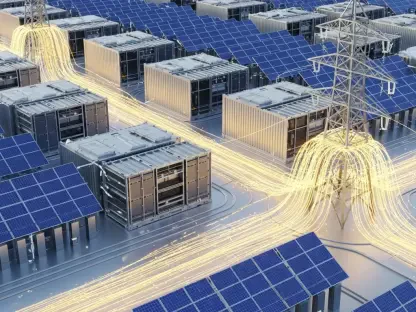
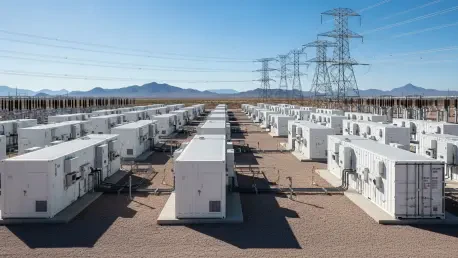
The Sierra Pinta Battery Energy Storage System (BESS) is a stand-alone facility developed by Leeward Renewable Energy (LRE) in Yuma County, Arizona. With a capacity of 112.5 megawatts (MW) and 450 megawatt-hours (MWh), it is designed to act as a large-scale power reservoir. This facility is LRE’s second operational battery project and is a key component of a broader, six-phase development strategy in the region, which includes the White Wing Ranch Solar project and brings LRE’s total regional capacity to over 291 MW.
How Does This Facility Improve Grid Reliability
One of the greatest challenges for grid operators is managing periods of peak demand, which typically occur in the evenings when residential energy consumption spikes just as solar generation subsides. This mismatch can strain the entire electrical system, potentially leading to power disruptions and higher energy costs for consumers.
The Sierra Pinta BESS directly addresses this issue by storing electricity from the grid during off-peak hours when demand and costs are low. It then dispatches that stored energy back to the grid during periods of high demand. This process smooths out the peaks and valleys in the power supply, providing crucial support to utility partners like Pacific Gas and Electric Company (PG&E). Ultimately, this function helps maintain a dependable flow of power, enhances overall system resilience, and contributes to more stable energy pricing.
What Are the Economic and Community Impacts
Large infrastructure projects have the potential to deliver significant benefits that extend far beyond their primary function, influencing the local economy and social fabric. The value of such developments is often measured not just in megawatts but also in jobs, revenue, and community investment.
The construction phase of the Sierra Pinta facility created approximately 100 local jobs, providing a direct economic stimulus to Yuma County. Moreover, over its operational lifetime, the project is projected to generate an estimated $12,375,000 in local property tax revenue, which will support essential public services. Leeward Renewable Energy has also established a commitment to the community through its foundation, offering long-term support to local organizations, including the Yuma Community Food Bank, Elevate Southwest, and area schools, ensuring the project’s positive impact is felt for years to come.
Summary or Recap
The full operational launch of the Sierra Pinta Battery Energy Storage System marks a pivotal advancement in Arizona’s energy infrastructure. This facility provides a powerful mechanism for enhancing the reliability of the Western Grid by storing and dispatching energy to meet fluctuating demand. Its strategic function directly supports grid stability and helps create a more cost-effective energy supply for consumers.
Furthermore, the project delivers substantial and lasting benefits to its host community in Yuma County. From job creation during its construction to significant long-term tax revenue and dedicated community partnerships, its impact is both comprehensive and positive. This development serves as a model for how modern energy projects can simultaneously address critical infrastructure needs and foster local economic prosperity.
Conclusion or Final Thoughts
The completion of the Sierra Pinta BESS was more than just an engineering achievement; it represented a strategic investment in a more resilient and adaptable energy future. By addressing the fundamental challenge of energy intermittency, the project demonstrated how modern technology could be integrated into the existing grid to create immediate and tangible improvements. The foresight shown in its development set a new standard for how regional power needs could be met through innovative and sustainable solutions.