
The global marine industry, a colossal force in world commerce and leisure yet responsible for nearly one billion tonnes of annual carbon dioxide emissions, is at a critical juncture where its long-standing reliance on diesel fuel has become environmentally and commercially untenable. As regulatory bodies and a new generation of environmentally conscious consumers demand a cleaner wake, the search for a viable alternative has intensified, pushing various technologies to the forefront. Among them, methanol is emerging not merely as another option but as a uniquely pragmatic and scalable solution. It presents a vital bridge, connecting the industry’s present technological capabilities with its future zero-carbon aspirations by striking a crucial balance between performance, safety, environmental responsibility, and infrastructural feasibility that few other alternatives can match. This clear pathway makes it a compelling protagonist in the narrative of maritime decarbonization.
The Unavoidable Tide of Change
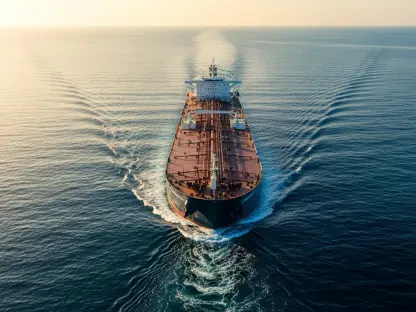
The catalyst for this profound industry-wide transformation is a powerful confluence of stringent regulations and shifting market dynamics that can no longer be ignored. The International Maritime Organisation (IMO) has established aggressive mandates, calling for a 40% reduction in carbon intensity by 2030 and a 50% cut in total emissions by 2050 compared to 2008 levels. These targets place immense pressure on an industry historically powered by heavy fuel oil and diesel. The environmental impact extends far beyond carbon dioxide; pollutants such as nitrogen oxides (NOx), sulfur compounds (SOx), and particulate matter directly contribute to poor air quality in coastal communities and the acidification of oceans. The visible plumes of black smoke that once signified industrial might are now viewed as symbols of an outdated and environmentally neglectful era. This regulatory landscape makes the continued dominance of traditional fossil fuels a significant liability, forcing shipowners, operators, and manufacturers to actively seek and invest in cleaner, more sustainable propulsion technologies to ensure their future viability and license to operate.
Complementing this top-down regulatory pressure is a significant groundswell of demand from the market itself, creating a commercial imperative for change that is reshaping even the most insulated sectors. Within the luxury yachting market, for instance, a new generation of high-net-worth individuals is increasingly guided by personal values of sustainability, demanding vessels that align with their environmental principles. This shift in consumer sentiment means that environmental credentials are no longer a niche preference but a core component of brand value and market appeal. At the same time, operational pressures are mounting from ports and marinas, which are beginning to implement “green berth” incentives for cleaner vessels and, in some cases, restricting access for those with high emissions. This creates a powerful economic incentive for yacht owners and commercial operators alike to adopt cleaner fuels. The convergence of these forces—regulatory mandates, consumer expectations, and operational incentives—is rendering the industry’s historical reliance on diesel an untenable position, pushing alternative fuels like methanol from the realm of possibility into the forefront of practical implementation.
Methanol’s Ascendancy as a Pragmatic Powerhouse
Against this backdrop of urgent need, methanol’s primary appeal lies in its inherent practicality and its technological similarity to the very fuels it aims to replace. Unlike gaseous alternatives such as hydrogen or LNG, which require high-pressure or cryogenic storage, methanol is a liquid at ambient temperature and pressure. This characteristic dramatically simplifies onboard storage and handling, allowing for designs that are analogous to conventional diesel fuel systems. This familiarity reduces the technological leap required for shipbuilders, engineers, and crew, thereby lowering the barrier to entry and mitigating implementation risks. Furthermore, methanol is already a globally traded industrial feedstock, meaning a foundational infrastructure for its production, transport, and logistics already exists. While this network requires significant expansion to serve the marine industry at scale, its existence provides a crucial starting point that other emerging fuels lack, making the transition less daunting and more economically feasible for vessel operators and port authorities worldwide.
The true transformative potential of methanol is unlocked through its dual production pathways, which firmly establish its identity as a versatile “bridge fuel” capable of serving the industry’s needs both today and in a zero-carbon future. While conventional methanol, typically derived from natural gas, already offers an immediate reduction in harmful pollutants like SOx and particulate matter, its true promise is realized through renewable production methods. The first green pathway is bio-methanol, produced through the breakdown of sustainable organic matter such as biomass or biogas. The second, and arguably most scalable long-term solution, is e-methanol. This variant is synthesized by combining captured carbon dioxide—sourced either from industrial emissions or directly from the atmosphere—with green hydrogen produced via electrolysis powered by renewable energy sources like wind and solar. This process effectively creates a circular carbon economy, where the CO₂ emitted during combustion is balanced by the CO₂ captured during its production, enabling a net-zero emissions profile over the fuel’s full lifecycle. As the cost of renewable energy and electrolysis technology continues to fall, the economics of e-methanol are projected to become increasingly favorable, ensuring its long-term scalability and cementing its role as a cornerstone of the industry’s decarbonization strategy.
Charting a Course Through the Alternatives
When systematically contrasted with other leading alternative fuels, methanol’s pragmatic advantages become particularly evident, especially for the space- and safety-conscious leisure yachting sector. Hydrogen, while a true zero-emission fuel at the point of use, presents formidable storage challenges; containing it requires either bulky, high-pressure tanks or complex cryogenic systems to keep it in a liquid state at -253°C, both of which are largely impractical and pose significant safety risks on most leisure vessels. Similarly, ammonia, another potential zero-carbon fuel, is highly toxic and corrosive, presenting unacceptable risks in the confined spaces of a yacht where the safety of crew and passengers is paramount. Battery-electric propulsion offers silent, local zero-emission operation but remains severely constrained by the low energy density of current battery technology, resulting in limited range and prolonged charging times that are ill-suited for the extended cruising that defines the yachting experience. Even liquefied natural gas (LNG), once seen as a viable transitional fuel, is losing favor due to persistent issues of “methane slip”—the leakage of unburned methane, a greenhouse gas far more potent than CO₂—which undermines its climate credentials. In this comparative context, methanol is presented as the optimal compromise, adeptly balancing safety, scalability, immediate availability, and a clear, credible pathway toward complete decarbonization.
Methanol’s versatility extends to its integration with a range of existing and emerging propulsion technologies, offering shipowners multiple pathways to reduce their environmental footprint. It can be utilized in modified internal combustion engines with relatively minor adjustments, allowing for a gradual and cost-effective transition for the existing fleet. In this application, its combustion produces virtually zero sulfur emissions, significantly lower nitrogen oxide and particulate emissions than diesel, and a reduction in carbon dioxide emissions of up to 15%, even when derived from fossil fuels. However, its most compelling application may be as a hydrogen carrier for fuel cells. In such a system, an onboard reformer converts liquid methanol into hydrogen on demand, which then powers a fuel cell to generate electricity for propulsion and hotel loads. This architecture enables silent, entirely emission-free operation without the immense storage challenges associated with pure hydrogen. This parallel hybrid approach, as demonstrated in pioneering vessels, offers ultimate flexibility, providing reliable, long-range power from the engine when needed and pristine, zero-emission propulsion for maneuvering in harbors, cruising in sensitive marine environments, and powering amenities at anchor.
Navigating the Headwinds to Widespread Adoption
Despite its immense promise, the journey toward methanol’s mainstream adoption is not without significant hurdles that must be addressed through concerted industry effort. The most immediate challenge lies in the production and cost of its green variants. Currently, the global production of bio-methanol and e-methanol is limited, and their cost is several times higher than that of conventional methanol or marine diesel. Scaling up production to meet the demands of the global shipping fleet will require massive, sustained investment in renewable energy generation, carbon capture technologies, and electrolyzer facilities. This transition requires not only financial commitment but also favorable public policies and international agreements to incentivize the development of a robust green methanol supply chain. Without a clear and predictable increase in supply, the price will remain high, slowing the rate of adoption and creating a competitive disadvantage for early adopters who make the switch from cheaper, dirtier fossil fuels.
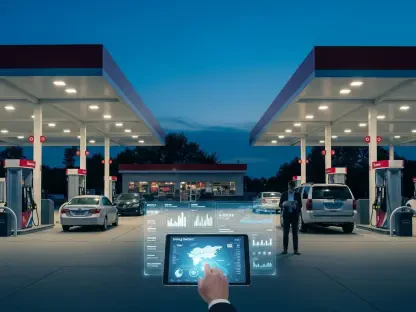
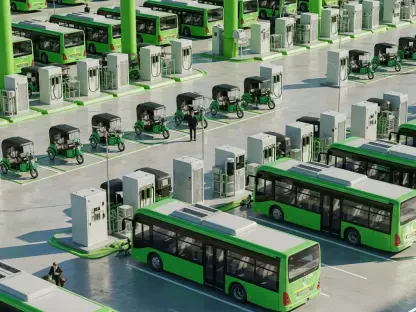
Beyond production, the lack of widespread refueling infrastructure presents the most immediate logistical constraint, creating a classic “chicken-and-egg” dilemma that could stifle growth. While methanol is readily available in major industrial ports that handle chemical tankers, the vast network of leisure marinas and smaller commercial harbors around the world is not equipped to store and dispense it. Marina operators have little financial incentive to invest in the necessary tanks, piping, and safety systems without a critical mass of methanol-fueled vessels demanding the service. Conversely, yacht owners and ship operators are hesitant to commit to a new fuel technology without the assurance that they can refuel conveniently during their voyages. Breaking this stalemate will require coordinated efforts, including public-private partnerships, government subsidies for infrastructure development, and the establishment of “green corridors” between major ports to guarantee fuel availability along key shipping routes. Furthermore, as a relatively new marine fuel, comprehensive safety standards and certification protocols, particularly for the unique demands of the leisure market, are still under development. Finalizing these regulatory frameworks is essential to de-risk the technology and provide the clarity and confidence needed to spur investment and broader adoption across the industry.
A Legacy of Coordinated Transformation
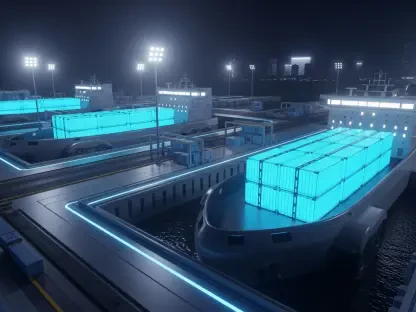
The successful transition from a niche chemical to a mainstream marine fuel hinged on coordinated action across the entire maritime ecosystem. It required a synergistic push that involved expanding renewable production capacity, methodically building out a global network of refueling infrastructure, and finalizing clear, consistent safety standards that gave operators and investors confidence. The journey was accelerated by pioneering demonstration projects that translated industrial-grade solutions into the user-centric context of commercial and leisure vessels, proving the technology’s viability and de-risking its adoption. For the yachting industry in particular, embracing methanol was not merely a matter of regulatory compliance; it became a strategic opportunity to fundamentally redefine its narrative. By championing this sustainable technology, the sector successfully shifted the perception of luxury from one defined by conspicuous consumption to one rooted in responsible excellence. This transformation allowed the industry to navigate from its fossil-fueled past to a truly sustainable and decarbonized future, leaving a cleaner wake for generations to come.