
Imagine a world where every factory not only produces goods but also acts as a steward of the planet, turning waste into resources and slashing emissions without sacrificing profit. This isn’t a distant dream but a transformation already underway in the manufacturing sector, which accounts for nearly 20% of global carbon emissions. As demand for products surges, the industry faces intense pressure to curb its environmental impact. Historically tethered to energy efficiency as the primary solution, manufacturers are now embracing a broader, more revolutionary framework: the circular economy. This approach doesn’t just tweak how factories run; it redefines how materials are sourced, utilized, and repurposed, striking a vital balance between economic growth and ecological responsibility. The stakes couldn’t be higher, with escalating energy costs, tighter regulations, and growing calls for transparency pushing sustainability from a nice-to-have to a must-have in today’s competitive landscape.
This shift is driven by necessity, not just idealism. Digital tools are stepping into the spotlight, offering real-time insights that uncover hidden inefficiencies and help cut energy use by significant percentages. Meanwhile, the move toward circularity challenges the old “take-make-dispose” mindset, aiming to close resource loops despite stubborn systemic hurdles. From low-carbon technologies in global factories to the rising demand for carbon accountability, the industry is at a turning point. Factories of the future are emerging as more than production hubs—they’re becoming cornerstones of community value and clean energy systems. Let’s dive into how this evolution is unfolding, exploring the tools, practices, and partnerships reshaping manufacturing for a sustainable era.
The Push for Energy Efficiency
Digital Tools as Game-Changers
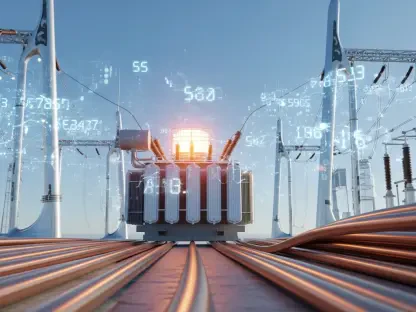
In an era where every kilowatt counts, digital energy management platforms are proving to be nothing short of revolutionary for manufacturers. These sophisticated systems deliver real-time monitoring and predictive optimization, peeling back the curtain on energy waste that once went unnoticed. By identifying inefficiencies with pinpoint accuracy, they enable reductions in consumption ranging from 10% to 25%, a game-changer for both cost savings and environmental impact. Beyond the numbers, these tools are becoming as indispensable as financial ledgers. They help manufacturers meet the growing demand for transparency from investors and regulators, ensuring that energy records carry the same weight as balance sheets. As a result, adopting such technology isn’t just about cutting bills—it’s about staying relevant in a world where accountability is non-negotiable, setting the stage for broader sustainability efforts.
Moreover, the impact of digital tools extends beyond immediate operational fixes. They foster a culture of continuous improvement, where data-driven decisions become second nature. Manufacturers can anticipate energy spikes before they happen, adjusting processes proactively rather than reacting after the fact. This shift to preemptive management not only boosts efficiency but also aligns with stricter environmental standards that are reshaping the industry. Consider the ripple effect: when energy use is optimized, emissions drop, and compliance becomes less of a burden. These platforms are not mere gadgets; they’re strategic assets that position companies as forward-thinking leaders. As the push for sustainability intensifies, those who harness digital insights will likely find themselves ahead of the curve, ready to tackle the next wave of challenges.
Meeting Rising Expectations
Energy efficiency remains the bedrock of sustainable manufacturing, especially as costs soar and regulations tighten. The pressure isn’t just financial—it’s societal, with stakeholders from customers to governments expecting clear, verifiable progress on environmental goals. Balancing the need to keep production humming with these external demands is no small feat. Manufacturers must now prioritize transparency, proving that their operations align with global sustainability standards. Falling short isn’t an option; non-compliance can damage reputations and bottom lines alike. Digital solutions play a critical role here, providing the data needed to meet stringent benchmarks while keeping operations lean. This isn’t just about surviving scrutiny—it’s about turning efficiency into a hallmark of trust and reliability.
However, meeting these expectations requires more than just technology; it demands a mindset shift. Companies must view energy efficiency as a core value, not a box to check. This means embedding sustainable practices into every layer of decision-making, from procurement to production. The payoff is significant: firms that excel in this area often gain a competitive edge, attracting eco-conscious clients and partners. Furthermore, aligning with stakeholder priorities can open doors to new markets and funding opportunities, where green credentials carry weight. As regulations continue to evolve, those who adapt early will not only avoid penalties but also set the pace for industry standards. Efficiency, in this light, becomes a bridge to broader sustainability goals, paving the way for innovations like circular economy practices to take root.
Embracing Circular Economy Principles
Moving Beyond Linear Models
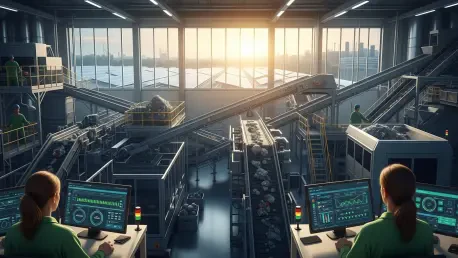
The manufacturing world is at a crossroads, stepping away from the outdated linear “take-make-dispose” model toward a circular economy that breathes new life into resources. With global recycling rates slipping—a worrying trend in recent years—the urgency to rethink material use has never been clearer. Circularity focuses on reusing and recovering materials, integrating recycled inputs like plastics and metals back into supply chains to curb raw resource extraction. This isn’t merely about reducing landfill waste; it’s a fundamental reimagining of how value is created and sustained. Yet, the journey is far from smooth. Systemic barriers, including entrenched linear production habits and certification complexities, stand as formidable roadblocks. Breaking free from decades of wasteful practices requires not just innovation but a collective will to redefine industrial norms.
In contrast to the linear past, circularity demands a holistic view of the production lifecycle. It’s about designing products with end-of-life in mind, ensuring components can be repurposed or recycled rather than discarded. This shift, though promising, faces resistance due to higher upfront costs and limited infrastructure for large-scale recycling. Manufacturers often grapple with the reality that short-term profits can clash with long-term sustainability goals. However, the potential benefits—reduced dependency on scarce resources and a smaller environmental footprint—are too significant to ignore. Governments and industry leaders are starting to push incentives and frameworks to ease this transition, signaling that circularity isn’t a passing fad. As more players join the effort, the momentum could tip the scales, making sustainable material use the default rather than the exception.
Practical Applications and Challenges
Putting circular principles into action is already showing promise, with initiatives like biomass-balanced plastics paving the way for sustainable material use in manufacturing. Such innovations highlight how recycled or renewable inputs can replace traditional resources, cutting down on waste and emissions in the process. Yet, the industrial ecosystem remains stubbornly rooted in linear production, where processes and supply chains are optimized for single-use materials. This mismatch creates friction—suppliers often lack the capacity to provide recycled alternatives at scale, and certification delays add layers of complexity. The result is a slower adoption rate than the urgency demands. For circularity to become mainstream, a radical overhaul of value chains is essential, aligning every link from sourcing to disposal with sustainable goals.
Beyond these logistical hurdles, there’s also a financial dimension that can’t be overlooked. Transitioning to circular models often involves significant initial investments, whether it’s retooling factories or securing new material streams. Smaller manufacturers, in particular, may find the cost prohibitive without external support like grants or partnerships. Even so, the long-term savings from reduced resource costs and waste management can offset these expenses over time. Industry pioneers are proving that perseverance pays off—some have achieved near-total waste diversion through programs targeting zero landfill output. These examples serve as a blueprint, showing that while the path is challenging, it’s navigable. The key lies in scaling these efforts through collaboration and innovation, ensuring circularity moves from niche experiments to a core pillar of manufacturing strategy.
Low-Carbon Manufacturing in Action
Global Case Studies of Innovation
Across continents, factories are becoming testbeds for low-carbon technologies, showcasing what’s possible when sustainability drives design. From heat pumps and LED lighting slashing emissions by thousands of tons to expansive solar panel arrays powering operations and even electric vehicle charging stations, these advancements are rewriting the rulebook. In some regions, cutting-edge solutions like geothermal storage and waste heat recovery for district heating have reduced reliance on external energy sources by as much as 90%. These aren’t just isolated wins; they reflect a global movement where manufacturers are proving that green tech can coexist with productivity. Each site tells a story of adaptation—overcoming local challenges with tailored innovations that prioritize both the planet and the bottom line. The message is clear: sustainability isn’t a distant goal but a tangible reality taking shape today.
What’s striking about these global efforts is the diversity of approaches tailored to specific needs. In warmer climates, solar power often takes center stage, harnessing abundant sunlight to fuel operations. In colder regions, waste heat recovery systems turn a byproduct into a community asset, feeding local heating networks. This adaptability underscores a broader truth: there’s no one-size-fits-all solution in low-carbon manufacturing. Instead, success hinges on understanding regional resources and constraints, then deploying technology accordingly. The results speak volumes—emissions cuts and energy independence are becoming benchmarks for what modern factories can achieve. As more companies share their playbooks, these case studies are sparking inspiration, encouraging others to experiment and invest in sustainable infrastructure with confidence that the returns will follow.
Measurable Environmental Impact
The hard numbers behind low-carbon initiatives are impossible to ignore, painting a picture of transformative impact in manufacturing. Some facilities have boosted energy productivity by over 40%, while others have carved out substantial emission reductions through optimized systems and renewable integrations. These aren’t theoretical projections but real outcomes from factories that dared to rethink their energy footprints. Take, for instance, sites where photovoltaic panels not only power production but also cut hundreds of tons of carbon dioxide annually. Such measurable gains prove that sustainability and operational success aren’t at odds—they can reinforce each other. Even with the upfront costs of adopting new tech, the long-term savings and environmental benefits often tip the scales, making the investment a strategic no-brainer.
Beyond the immediate stats, there’s a deeper significance to these achievements. They signal a shift in how success is defined within the industry—moving away from pure output metrics to include environmental stewardship. Reduced emissions translate into cleaner air for communities, while lower energy demands ease stress on grids, contributing to broader climate goals. Importantly, these impacts are scalable; what works in one factory can often be adapted elsewhere, amplifying the effect. Critics might argue that initial expenses deter widespread adoption, but evidence suggests that costs drop as technologies mature and economies of scale kick in. Manufacturers who’ve taken the plunge are already reaping rewards, setting a precedent that could reshape industry standards. The takeaway is powerful: tangible environmental progress isn’t just possible—it’s already happening, urging others to follow suit.
The Role of Collaboration and Transparency
Sustainability as a Business Differentiator
In today’s manufacturing landscape, sustainability has evolved from a sideline issue into a defining factor in business strategy. Customers and suppliers alike are demanding detailed carbon footprints for products, turning environmental responsibility into a key point in commercial negotiations. This isn’t merely about meeting a trend—it’s about building trust and credibility in a market that increasingly values green credentials. Companies that can provide transparent data on their emissions and resource use often stand out, gaining a competitive edge over those lagging behind. This shift redefines success, making sustainability a core differentiator that can sway contracts, partnerships, and consumer loyalty. As accountability becomes standard, those who embrace it aren’t just keeping up—they’re setting the tone for the future.
The implications of this trend ripple through every aspect of operations. Manufacturers are finding that transparency isn’t just a compliance burden but a tool for forging stronger connections with stakeholders. When a company openly shares its sustainability metrics, it signals integrity, inviting trust from clients who prioritize ethical practices. This can translate into tangible benefits, like securing high-value deals or accessing markets where eco-standards are prerequisites. Additionally, it pushes internal innovation—knowing that every product’s footprint is scrutinized encourages smarter design and efficiency. While some may resist the added scrutiny, the reality is that dodging accountability risks obsolescence. In a world where sustainability shapes buying decisions, leading with transparency isn’t just strategic—it’s essential for long-term relevance and growth.
Building Stronger Partnerships
Collaboration sits at the heart of sustainable progress in manufacturing, weaving together efforts across supply chains and beyond. Manufacturers must align closely with suppliers, customers, and even local communities to embed sustainability into every facet of their operations. This isn’t a solo endeavor; it’s a shared mission where partnerships amplify impact. By working together, companies can tackle challenges like sourcing recycled materials or meeting emission targets more effectively than they could alone. These alliances transform sustainability from an abstract goal into measurable outcomes, strengthening a firm’s standing in global markets. The power of collective action lies in its ability to turn individual commitments into industry-wide shifts, creating a network of accountability and innovation.
Equally important is how these partnerships reshape dynamics within the sector. When sustainability becomes a shared priority, it fosters a culture of mutual support rather than cutthroat competition. Suppliers who adopt green practices, for instance, often find themselves preferred by manufacturers aiming for lower carbon footprints. This creates a virtuous cycle where each player pushes the other toward better standards. Furthermore, engaging with local stakeholders—such as communities near factories—can yield social benefits like job creation and energy system support, enhancing a company’s reputation. Though building these relationships takes time and trust, the payoff is a resilient network that can weather regulatory changes and market shifts. Ultimately, collaboration isn’t just a means to an end; it’s the foundation for a sustainable industrial future.
Reflecting on a Sustainable Legacy
Looking back, the journey of manufacturing toward sustainability stands as a testament to the industry’s capacity for reinvention. Factories once defined by smokestacks and unchecked waste took bold steps to integrate energy efficiency, adopting digital tools that transformed hidden inefficiencies into opportunities for savings and compliance. The pivot to circular economy principles challenged deep-rooted linear models, proving through persistent efforts that materials could be reborn rather than discarded. Low-carbon technologies, from solar arrays to heat recovery systems, carved out impressive reductions in emissions, as global case studies became beacons of what was possible. Collaboration and transparency redefined business norms, turning sustainability into a shared mission that fortified supply chains and community ties. This evolution wasn’t without struggle, but each milestone cemented a truth: profitability and planetary health could coexist. Moving forward, the focus should rest on scaling these innovations—through policy support, industry alliances, and continued investment in green tech—to ensure that every factory becomes a pillar of a cleaner, more equitable future.