As nations globally grapple with the intricate challenge of decarbonizing their power grids without compromising reliability, Malaysia has taken a decisive and forward-thinking leap to secure its energy future. The nation’s Energy Commission has initiated a landmark project that addresses the core intermittency problem of renewable sources like solar power head-on. The competitive Malaysia Battery Energy Storage System (MyBeST) program, which recently culminated in the shortlisting of four key bidders, represents a strategic investment designed to fortify Peninsular Malaysia’s electrical grid. This initiative is not merely about adding capacity; it is a meticulously planned endeavor to build a resilient, flexible, and modern energy infrastructure capable of supporting the country’s ambitious transition to clean energy. By deploying 400MW of power and a substantial 1,600MWh of energy storage, Malaysia is proactively preparing its grid for a future dominated by renewables, setting a powerful example for the entire Southeast Asian region and signaling its serious commitment to its long-term climate and economic goals.
A Competitive and Strategic Selection
The Finalists and Their Mandate
The path to selecting the project’s developers was highly competitive, underscoring the significant commercial and strategic interest in Malaysia’s energy transition. The Energy Commission (Suruhanjaya Tenaga) received a robust response with 28 applications, from which it carefully shortlisted four distinct entities to carry out the landmark initiative. The successful bidders, announced on December 19, 2025, include a consortium of Blueleaf Energy and Universal Peak, another consortium formed by ERS Energy and Gamuda Berhad, a standalone bid from ERS Energy, and a proposal from Leader Energy. Each of these four will be responsible for one of the four equally-sized projects, each delivering 100MW of power and 400MWh of energy storage capacity. Under the program’s build-own-operate model, these companies are tasked with the entire lifecycle of their respective facilities, from development and construction to long-term operation. With a clear target for commissioning in 2027, the program establishes a rapid timeline for bringing these critical grid-stabilizing assets online, reflecting the urgency of Malaysia’s energy agenda.
A Real-World Technology Proving Ground
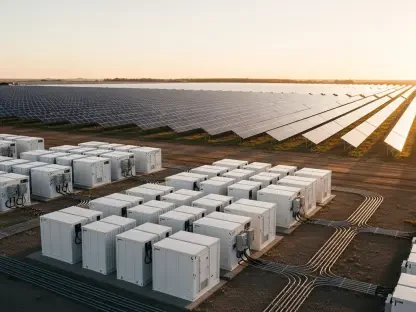
A particularly insightful element of the MyBeST program lies in the Energy Commission’s procurement strategy, which goes beyond simply acquiring storage capacity. A key requirement of the selection process was that each of the four shortlisted bidders proposed a different battery technology supplier. This deliberate decision transforms the nationwide project into a large-scale, real-world laboratory for energy storage. By deploying diverse Battery Energy Storage System (BESS) configurations simultaneously, the commission will gain invaluable, firsthand data on the performance, operational characteristics, and long-term viability of various technologies. This approach allows for a direct comparison of how different systems handle Peninsular Malaysia’s unique grid dynamics and challenging climatic conditions, such as high heat and humidity, which can significantly impact battery performance and degradation. The insights gathered from this strategic deployment will be instrumental in de-risking future investments and informing subsequent phases of Malaysia’s grid modernization, ensuring that future procurement decisions are based on proven, localized performance data rather than just manufacturer specifications.
A Linchpin of National Ambition
Driving the National Energy Transition Roadmap
The MyBeST program is far more than an isolated infrastructure project; it is a foundational pillar of Malaysia’s comprehensive 2023 National Energy Transition Roadmap (NETRA). This ambitious policy framework sets clear, long-term targets for the nation, including achieving a 70% installed renewable energy capacity by 2050 and ultimately reaching net-zero emissions. The integration of 1,600MWh of energy storage is a critical enabler for these goals. BESS facilities provide the necessary grid stability to accommodate the variable output of large-scale solar and other renewable sources, ensuring that clean energy can be reliably integrated without jeopardizing the power supply. Furthermore, the initiative is designed to bolster Malaysia’s economic and geopolitical standing. By demonstrating a robust and modern grid capable of managing high renewable penetration, the project serves to attract significant foreign investment into the country’s burgeoning clean energy sector. It also lays the essential groundwork for Malaysia’s ambition to become a net exporter of renewable energy to its neighbors within the ASEAN bloc, a goal that is only feasible with a highly resilient and flexible domestic grid.
Proactive Measures for a Renewable Future
According to analysis from energy consultancy Aurora, Malaysia’s approach represents a mature and proactive strategy to get ahead of the challenges that inevitably arise with high renewable energy penetration. While the country’s installed solar PV capacity, standing at approximately 2.5GW as of mid-2025, has not yet led to widespread grid instability, the government is not waiting for problems to emerge. Instead, it is actively building the infrastructure needed to prevent future issues such as grid congestion in key transmission corridors, the curtailment of clean generation during periods of oversupply, and significant supply-demand imbalances. Although the specific locations for the four BESS facilities have not been officially disclosed, industry experts anticipate they will be strategically sited in states with high concentrations of solar power projects. This co-location would maximize their effectiveness in absorbing excess solar generation during midday peaks and mitigating local grid stress. This large-scale program for the main Peninsular grid also builds upon earlier experiences, such as the inauguration of a 100MW/400MWh BESS project in Sabah, which provided valuable lessons on a smaller, more isolated grid system.
A Foundational Step Toward a Resilient Energy Future
The successful shortlisting of four diverse development teams for the MyBeST program marked a pivotal moment in Malaysia’s journey toward a sustainable energy future. This decision transcended a simple procurement process; it represented a strategic, multi-faceted investment in the nation’s critical infrastructure. The initiative established a robust framework for integrating large-scale, intermittent renewable energy sources by directly addressing the need for grid stability and flexibility. The project’s unique design, which mandated different battery technologies from each developer, provided the country with an unparalleled opportunity to gather empirical data on system performance under local conditions. This foresight equipped Malaysia’s energy planners with the practical knowledge needed to make informed decisions for future deployments, ensuring the long-term success of the goals outlined in the National Energy Transition Roadmap. Ultimately, this landmark project moved Malaysia’s energy policy from ambition to tangible action, solidifying its position as a forward-thinking leader in the Southeast Asian energy transition.