
In the shadow of January’s catastrophic wildfires that swept through Los Angeles, claiming over 18,000 buildings and 12 lives, a battle is brewing over how to rebuild shattered communities. Survivors, weary from loss and displacement, stand at a crossroads, yearning to create safer, more sustainable homes with all-electric systems as a shield against future climate-driven disasters. Yet, their vision clashes head-on with Southern California Gas Company (SoCalGas), the region’s dominant gas utility, which dangles hefty rebates to lure them back to gas appliances. Funded by ratepayers, these incentives aren’t just a financial nudge—they’re a calculated move to cement fossil fuel reliance at a time when California pushes hard for greener energy. This isn’t merely about rebuilding houses; it’s a fight over the future of energy, public health, and environmental responsibility in a state scarred by fire. As the smoke clears, the stakes couldn’t be higher, with survivors caught between personal recovery and a broader struggle against corporate influence and regulatory inertia. How this conflict unfolds could set a precedent for disaster recovery across the nation, raising urgent questions about whose interests will ultimately shape the path forward.
Voices Rising for All-Electric Recovery
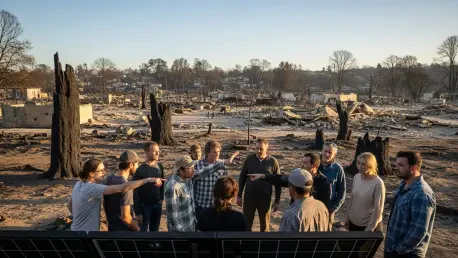
Amid the rubble of neighborhoods like the Palisades, where thousands of structures were reduced to ash, a determined movement is taking root among Los Angeles wildfire survivors. Champions like Sara Marti of Resilient Palisades are spearheading a push for all-electric rebuilding, driven by a deep awareness of how gas appliances feed into the vicious cycle of climate change. Studies underscore their concerns, revealing that climate shifts made the January fires 35 percent more likely. Electric homes, they argue, aren’t just a nod to environmental goals—they promise cleaner indoor air, slashing exposure to harmful pollutants, and cut the risk of deadly explosions during natural disasters. For many, this choice feels like a moral imperative, a chance to protect their families and future generations from the very forces that stole so much.
Beyond the ethical pull, practicality fuels this electrification drive. Research from the University of California, Berkeley, points to all-electric homes as often more cost-effective to construct and far more resilient over time. Survivors see this as a rare window to rebuild smarter, crafting communities that can better endure the intensifying threats of wildfires and other climate hazards. However, this vision demands overcoming significant hurdles, not least of which is the temptation of quick financial relief offered by other players in this rebuilding saga. The resolve of these community advocates is clear, but the path to an all-electric future is anything but guaranteed as external pressures mount.
Utility Incentives Steer Toward Fossil Fuels
In a striking counterpoint to the community’s green aspirations, SoCalGas is rolling out substantial rebates to entice wildfire survivors to reinstall gas appliances. These financial carrots, drawn from a pool of ratepayer contributions via a state-sanctioned energy efficiency program, sweeten the deal for gas water heaters, fireplaces, and more. Critics view this as a blatant tactic to anchor long-term gas dependency, ensuring the utility’s market hold even as California commits to slashing greenhouse emissions. At a moment when survivors are buried under the stress of rebuilding, such incentives wield outsized influence, potentially swaying decisions that could lock in fossil fuel use for decades.
This approach by SoCalGas isn’t just a business strategy—it’s a profound ethical concern. By leveraging public funds to promote gas over electric alternatives, the utility is accused of exploiting a vulnerable population, prioritizing profit margins over the public good. The timing couldn’t be worse, as the state grapples with how to align disaster recovery with climate imperatives. Moreover, this move risks derailing the momentum toward electrification that many see as essential for a safer, sustainable future. As survivors weigh their options, the shadow of corporate influence looms large, complicating an already daunting rebuilding process with choices that carry far-reaching consequences.
Regulatory Gaps Fuel the Conflict
Central to this tug-of-war is the California Public Utilities Commission (CPUC), the body tasked with overseeing utility programs, yet seemingly caught in a quagmire of outdated policies. Although SoCalGas operates within the bounds of current rules, legal experts like Matt Vespa of Earthjustice slam these regulations as woefully behind the times. A decision by the CPUC in 2023 flagged the danger of perpetuating gas use through rebates but carved out a perplexing exception for wildfire rebuilds, labeling them as retrofits rather than new construction. This loophole permits ratepayer money to bankroll gas incentives, stalling the shift to cleaner energy at a critical juncture.
Compounding the frustration is the CPUC’s sluggish response to these glaring issues. Promised deadlines for phasing out gas incentives and rolling out robust guidance on electric options have slipped, with a staff proposal now delayed until later this year. This regulatory inertia leaves survivors stranded in a policy no-man’s-land, where SoCalGas can continue to push gas solutions unchallenged. The gap between the state’s ambitious climate goals and its actual oversight is stark, fueling criticism that the commission lacks the urgency needed to address this crisis. Until stronger action emerges, the balance between community desires and utility tactics remains precariously tipped, with long-term environmental impacts hanging in the balance.
Risks of Gas in a Climate-Fragile World
The debate over rebuilding with gas versus electric systems transcends mere preference, touching on profound risks to public health and safety. Gas appliances emit toxins that degrade indoor air quality, posing chronic health threats, especially to children and the elderly. They also carry a tangible danger of explosions during wildfires or earthquakes—disasters all too familiar to Californians. In a state already reeling from climate-amplified catastrophes, continuing to rely on fossil fuels in homes feels like a reckless gamble, one that directly undercuts efforts to curb greenhouse gas emissions and build resilient communities.
Furthermore, the opportunity cost of choosing gas looms large. Rebuilding after such devastation offers a singular chance to pivot to cleaner, safer energy systems, yet SoCalGas’s rebates threaten to squander this moment. Every gas appliance installed now could perpetuate emissions for decades, clashing with California’s vision of a carbon-neutral future. Advocates argue that prioritizing short-term financial relief over long-term well-being is a dangerous misstep, especially when the stakes involve not just individual homes but the collective fight against climate change. As survivors navigate these choices, the broader implications for the planet and public safety remain impossible to ignore, urging a deeper reckoning with how recovery efforts are shaped.
Navigating Toward a Sustainable Tomorrow
Reflecting on the aftermath of the Los Angeles wildfires, it’s evident that the clash between survivors and SoCalGas encapsulated a pivotal struggle over energy futures. The community’s heartfelt push for all-electric homes stood as a testament to resilience, aiming to safeguard health and align with climate goals against daunting odds. Meanwhile, the utility’s rebate-driven agenda to sustain gas use, backed by regulatory loopholes, exposed systemic challenges in prioritizing public good over corporate gain. The CPUC’s hesitance to act decisively further muddled the landscape, leaving critical decisions in limbo.
Looking ahead, the path to resolution demands bold steps and collective action. State regulators must expedite reforms to eliminate gas incentives, replacing them with robust support for electric alternatives that are accessible to all, regardless of income. Policymakers should heed the voices of survivors, ensuring rebuilding programs reflect climate priorities rather than utility profits. Additionally, fostering public awareness and engagement in regulatory processes can amplify community needs, pushing for accountability. This moment offers California a chance to lead by example, proving that disaster recovery can pave the way for a greener, safer tomorrow if guided by vision and urgency rather than outdated interests.