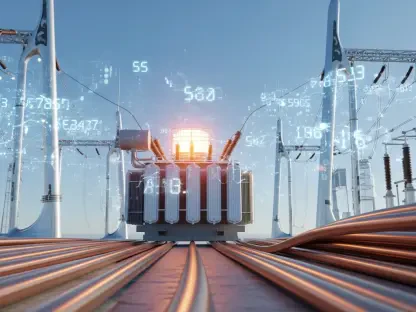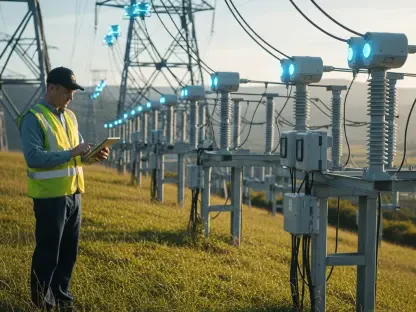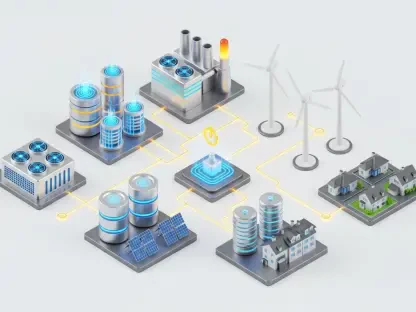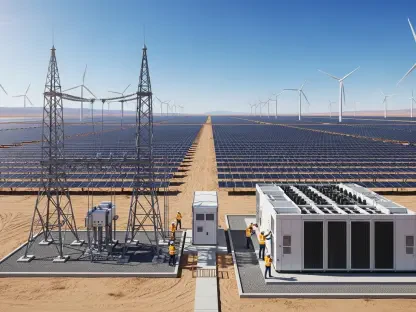

A landmark 500-kilovolt power transmission project recently completed in Nanning, China, is fundamentally reshaping the standards for infrastructure development by showcasing the transformative power of a fully integrated digital strategy from conception to operation. This award-winning initiative, undertaken by the China Energy Engineering Group, successfully established a critical ring network for the city and, in the process, set a new global benchmark for what is being termed “digital intelligence” in the power sector. The project directly confronts the long-standing limitations of traditional two-dimensional design, which has often been plagued by inefficiencies, data silos, and costly rework during construction. By pioneering a holistic digital approach, the engineering team demonstrated a clear path forward for an industry grappling with the dual pressures of rapid urbanization and the urgent need to integrate renewable energy sources into aging grid systems, offering a compelling vision for a more resilient and efficient energy future.
A Blueprint for Digital Transformation
The core of the project’s success lies in its comprehensive implementation of a full-lifecycle Building Information Modeling (BIM) and Geographic Information System (GIS) strategy, creating a seamless flow of data across every phase. The engineering team leveraged a sophisticated suite of integrated software solutions to build a highly detailed and dynamic virtual model of the entire project. This process began with drone-based terrain modeling, which fed into advanced 3D geological analysis to ensure the stability and precise placement of every foundation. A unified parametric model of the substation and its sprawling transmission lines was then meticulously constructed. This digital environment served as a collaborative hub where various multidisciplinary teams could work concurrently on a single, authoritative model. This “single source of truth” approach streamlined complex workflows, shortening the overall design phase by 10% and accelerating the verification process by an impressive 15%, proving that a unified digital platform is key to unlocking new levels of project efficiency and coordination.
From Virtual Clashes to a Real-World Twin
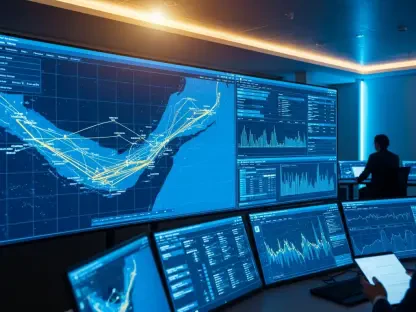
By creating a complete virtual replica of the power grid expansion before any physical work began, the team was able to conduct extensive simulations and analysis that were previously impossible. Within this collaborative digital space, engineers proactively identified and meticulously resolved 85 significant technical clashes between structural, electrical, and civil components. This early detection and resolution led to a staggering 91.8% reduction in on-site rework, saving immense amounts of time, materials, and capital. The project culminated in the delivery of a true “Digital Twin,” a living virtual model of the physical asset. Using 4D construction simulation and virtual reality visualization, stakeholders could virtually walk through the substation, review construction sequencing, and optimize logistics. This digital methodology not only enhanced project quality by resolving issues in the virtual world but also transformed the completed substation into a dynamic, data-driven asset, fully optimized for managing clean energy transmission and providing a scalable model that established a new standard for the development of world-class smart grids.