
The silent, relentless hum of data centers and the unpredictable nature of renewable energy are converging to create unprecedented strain on the world’s electrical grids, demanding entirely new ways of managing power. As the digital and green revolutions accelerate, the stability of our energy infrastructure hinges on finding reliable, large-scale storage solutions that can bridge the gap between when power is generated and when it is needed most. This pressing need is catalyzing strategic alliances once thought improbable, uniting industrial titans with climate tech innovators to unlock the next generation of grid-scale power.
The Shifting Energy Landscape: A New Demand for Grid-Scale Solutions
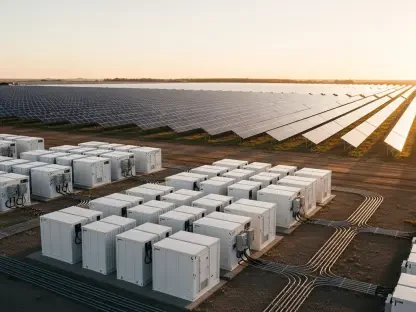
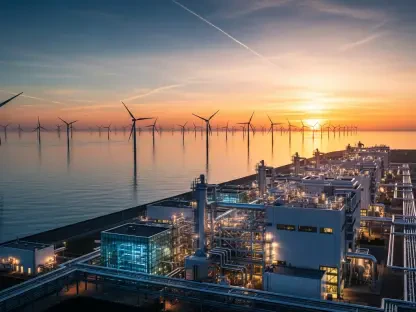
Global electrical grids are navigating a period of profound transformation, challenged by the dual pressures of intermittent renewable energy sources and the explosive growth of power-intensive loads. The variable output of wind and solar farms complicates grid management, while the rise of AI data centers and widespread vehicle electrification introduces massive, sustained demand. This dynamic creates a critical need for long-duration energy storage—solutions that can absorb excess energy for hours or days and redeploy it to ensure reliability and prevent blackouts.
In this context, the strategic partnership between energy technology company Baker Hughes and innovator Hydrostor represents a landmark development. By committing to supply critical equipment for Hydrostor’s large-scale projects, Baker Hughes is signaling a major shift in how the industry approaches grid resilience. This collaboration is not merely a transaction; it is a calculated move to build out the infrastructure required for a stable, decarbonized energy future.
Analyzing the A-CAES Breakthrough: Trends, Tech, and Market Traction
From Fossil Fuels to Future Grids: The Strategic Pivot of Energy Titans
The investment by Baker Hughes in Hydrostor exemplifies a powerful trend: traditional oil and gas giants are strategically diversifying their portfolios to include sustainable energy systems. Leveraging their vast engineering expertise, global supply chains, and significant capital, these legacy companies are becoming essential accelerators for climate technologies. This pivot is driven by both market opportunity and the recognition that their core competencies are directly applicable to building the complex infrastructure required for the energy transition.
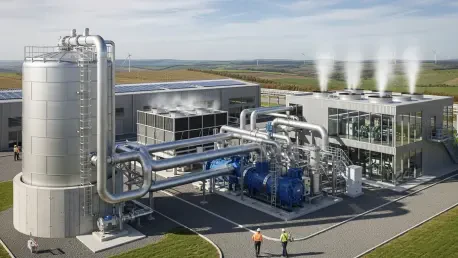
At the heart of this partnership is Hydrostor’s Advanced Compressed Air Energy Storage (A-CAES) technology. The system uses surplus electricity to run compressors, forcing ambient air into purpose-built underground caverns, effectively storing energy in the form of pressurized air. When electricity is needed, the compressed air is released, heated, and expanded through a turbine to generate power. A-CAES offers a low-carbon, scalable solution that utilizes proven industrial components to deliver a long-duration asset with a lifespan of over 50 years, far exceeding that of battery alternatives.
Measuring the Momentum: Project Milestones and Investor Confidence
The viability of A-CAES is being demonstrated through tangible market progress on flagship projects. Hydrostor’s 500 MW / 4,000 MWh Willow Rock Energy Storage Center in California and its project in Broken Hill, Australia, are moving toward construction, serving as critical proof points for the technology’s commercial readiness. The Willow Rock facility, for instance, is designed to deliver eight hours of continuous power, a capability essential for stabilizing a grid heavily reliant on solar generation.
This progress has been met with significant financial validation from a formidable roster of institutional investors. Beyond Baker Hughes, backers like Goldman Sachs Asset Management, CPP Investments, and the Canada Growth Fund have committed substantial capital. Such widespread support from sophisticated financial players underscores a growing consensus that Hydrostor’s A-CAES platform is not only technologically sound but also a bankable and essential component of modernizing the global energy grid.
Overcoming the Barriers: Challenges on the Path to Commercial Scale
Despite its promise, A-CAES technology faces notable obstacles on its path to widespread commercialization. The primary challenges include high initial capital investment for constructing underground storage caverns and power plants, the need for specific geological formations suitable for air storage, and the lengthy, often complex permitting processes associated with large-scale infrastructure projects. These factors can create significant upfront risk and extend development timelines, potentially slowing adoption.
Strategic partnerships, however, are proving critical in mitigating these barriers. The collaboration between Baker Hughes and Hydrostor provides a compelling model for overcoming such hurdles. Baker Hughes offers the manufacturing scale needed to procure and deploy turbo-machinery efficiently, securing a vital part of the supply chain. Moreover, the credibility and financial backing of an established industry leader help de-risk projects, instill confidence in regulators, and attract the long-term investment required to bring these transformative assets online.
The Regulatory Catalyst: How Policy is Paving the Way for A-CAES
The path for A-CAES is being cleared by an evolving regulatory environment that increasingly favors long-duration, non-lithium energy storage solutions. Policymakers are recognizing that to meet ambitious clean energy mandates and ensure grid reliability, a diverse portfolio of storage technologies is necessary. Consequently, new incentives, procurement targets, and market mechanisms are being designed to support technologies like A-CAES that can provide stability for eight hours or more, a domain where lithium-ion batteries are less economical.
Securing final permits for major projects, such as the recent approvals for the Willow Rock center, marks a significant turning point. It demonstrates that regulatory bodies are developing a clear framework for evaluating and approving A-CAES projects, reducing uncertainty for developers and investors. This government and regulatory support is instrumental in accelerating deployment, as it provides the long-term revenue certainty needed to secure financing and move projects from planning to operation.
The Horizon for Pressurized Power: Projecting the Future of A-CAES
Looking forward, the growth potential for compressed air energy storage appears immense. As global energy demand continues to climb and the integration of renewables deepens, the need for reliable, grid-scale storage will only become more acute. A-CAES is well-positioned to capture a significant share of this expanding market, offering a durable, cost-effective solution that complements the intermittency of wind and solar power generation perfectly.
Furthermore, the Baker Hughes-Hydrostor collaboration may serve as a blueprint for future partnerships across the energy sector. This model, which pairs the agility and specialized technology of an innovator with the industrial scale and market access of an established giant, could become the standard for deploying climate tech at the speed and scale required. Such alliances are essential for bridging the gap between invention and mainstream adoption, driving the entire industry toward a more resilient and sustainable future.
Final Appraisal: Does Compressed Air Hold the Key to a Stable Energy Future?
The evidence suggests that Advanced Compressed Air Energy Storage has matured from a promising concept into a proven, bankable, and essential technology for the modern grid. Through strategic industrial partnerships, significant investor backing, and a supportive policy environment, A-CAES is overcoming its initial barriers and demonstrating its value in real-world, utility-scale projects. Its ability to provide long-duration storage makes it a uniquely capable solution for the challenges posed by renewable integration and rising electricity demand.
While A-CAES is part of a broader portfolio of necessary energy storage solutions, its momentum is undeniable. The combination of its inherent technical advantages—long lifespan, scalability, and reliance on established supply chains—with powerful strategic backing positions it as a critical and enduring pillar of future energy systems. Consequently, compressed air is not just a possibility for energy storage; it is emerging as a foundational component for ensuring a stable and reliable clean energy future.