
Commonwealth Edison has submitted a sweeping $15.3 billion, four-year grid investment plan to Illinois state regulators, setting the stage for a critical debate over the future of electricity infrastructure and its impact on consumer wallets. This proposal, intended for the years 2028 through 2031, is designed to prepare northern Illinois for a future with skyrocketing electricity demand driven by data centers, electric vehicles, and broad electrification. As the second major grid plan mandated by the state’s 2021 Climate and Equitable Jobs Act (CEJA), it aims to modernize an aging system while paving the way for a clean energy transition, forcing customers and regulators to weigh the price of progress against the cost of inaction. This ambitious blueprint has ignited a conversation about balancing the urgent need for a resilient, future-proof grid with the equally pressing concern of affordability for millions of residents and businesses.
The Forces Driving an Unprecedented Surge
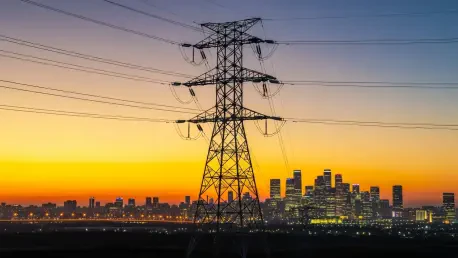
The primary justification for this multi-billion-dollar investment lies in an unprecedented surge in electricity consumption, largely fueled by the rapid proliferation of power-hungry data centers across the region. These facilities, essential for the digital economy, place a significant and concentrated strain on the existing electrical grid, creating new hotspots of extreme demand that the current infrastructure was not designed to handle. This trend is so pronounced that its effects are rippling through the regional energy market, contributing to higher electricity supply costs in auctions managed by PJM Interconnection, the grid operator for a 13-state region including Illinois. The utility argues that without substantial investment to expand capacity, the grid risks becoming a bottleneck for economic growth and a point of failure for reliable service, making proactive upgrades a necessity rather than a choice.
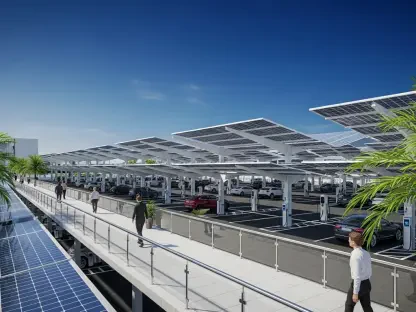
Beyond the digital boom, the push toward electrifying transportation and buildings is accelerating, adding another layer of demand that the grid must accommodate. The state’s ambitious goal of having one million electric vehicles (EVs) on the road by 2030, a significant jump from the current 164,000, requires a robust charging network that will draw substantial power. This shift is complemented by a broader trend in new construction, where electric heating systems are increasingly chosen over natural gas. Furthermore, the plan is intrinsically linked to the state’s clean energy mandates under CEJA, which require a transition to 100% clean energy. Integrating intermittent renewable sources like wind and solar necessitates a more dynamic and flexible grid, capable of managing fluctuating power flows without compromising stability, thus intertwining market-driven demand with legislative imperatives.
A Closer Look at the Multi-Billion-Dollar Blueprint
At the core of the $15.3 billion proposal are several key capital projects aimed at fundamentally upgrading the power delivery system to meet these new challenges. A significant portion of the funds is allocated for increasing raw capacity, which includes building five entirely new substations in areas experiencing high growth from data centers and manufacturing. In addition to this new construction, the plan targets over 70 of ComEd’s 810 existing substations for major upgrades to handle the increased load. These investments are not arbitrary; they are strategically focused on relieving the most stressed points in the network. The blueprint also outlines a system-wide modernization effort to replace aging, less resilient equipment and refresh the utility’s fleet of smart meters, ensuring the grid can operate more efficiently and reliably for its 4.1 million customers.
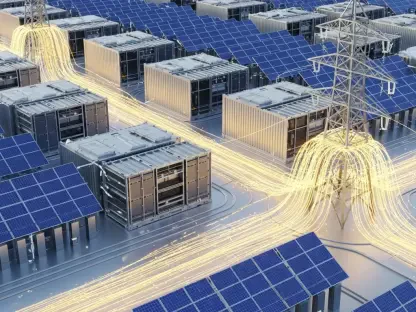
While expanding capacity is a primary goal, the plan also emphasizes enhancing the grid’s resilience and technological capabilities. A substantial part of the investment is dedicated to “hardening” infrastructure, particularly substations, to better withstand the increasing frequency and intensity of severe weather events driven by climate change. This involves replacing older components with more durable technology to ensure the reliable delivery of power during extreme conditions. Simultaneously, the proposal includes significant investments to create a more dynamic and intelligent grid. These upgrades are essential for integrating intermittent renewable energy sources, allowing the system to balance power from solar and wind farms without disrupting service. This dual focus on physical robustness and technological flexibility aims to create a grid that is not just bigger but also smarter and more durable.
The Financial Ripple Effect on Consumers
If approved as submitted, this four-year plan will contribute directly to a steady rise in electricity bills for households and businesses across northern Illinois. ComEd projects that this proposal alone will add between $2.50 and $3.00 to the average monthly residential bill, beginning in 2028. The utility has also indicated that customers can expect similar adjustments in the subsequent years of the plan, suggesting a sustained upward trend in delivery charges through 2031. This immediate financial impact represents the direct cost consumers will bear for the proposed infrastructure enhancements. The utility presents these increases as a necessary investment in the future reliability and capacity of the electrical system, but for many customers, it will be another added pressure on household budgets that are already feeling the strain of rising utility costs.
The projected rate hikes from this new plan are not occurring in a vacuum; they represent the latest layer in a series of compounding cost increases facing ComEd customers. Consumers are already experiencing rate adjustments from the utility’s first four-year grid plan, a $12.3 billion initiative covering 2024 through 2027, which added an average of $1.84 to monthly bills. Separate from these multi-year plans, ComEd undergoes annual rate reconciliations that can lead to further increases; an approved adjustment is already set to add about $3.10 per month starting this January. Beyond ComEd’s delivery charges, the actual cost of electricity supply is also soaring due to record-high prices in regional capacity auctions, driven largely by the same data center demand fueling the grid plan. These separate but converging financial pressures create a cumulative burden that will be felt across the region.
The Regulatory Gauntlet and Stakeholder Standoff
The fate of the $15.3 billion proposal now rests with the Illinois Commerce Commission (ICC), the state regulatory body responsible for scrutinizing and ultimately approving utility spending. The ICC will conduct a comprehensive 11-month review to determine if the plan is prudent, necessary, and compliant with state law, with a final ruling expected by December. This is not a rubber-stamp process. The commission has demonstrated its authority in the past, notably when it rejected ComEd’s initial proposal for the first four-year grid plan, forcing the utility to refile a revised version that better aligned with the affordability and environmental requirements of the CEJA legislation. This precedent ensures that the current plan will face intense scrutiny, with regulators tasked with balancing the utility’s long-term infrastructure goals against the immediate financial impact on consumers.
As the regulatory review begins, the battle lines between the utility and consumer advocates are already clearly drawn. ComEd CEO Gil Quiniones has framed the investment as an absolute necessity, stating that the utility must invest in reliability, resiliency, and capacity to support new business and maintain service quality. From the utility’s perspective, the plan is an essential step to future-proof the grid for economic growth and the clean energy transition. In stark contrast, the Citizens Utility Board (CUB), a prominent consumer watchdog group, has immediately voiced strong opposition, labeling the proposal a “bloated, expensive grid plan.” CUB has pledged to rigorously analyze every aspect of the filing to identify and challenge any wasteful spending, underscoring the central conflict between ambitious modernization efforts and the protection of consumers from excessive costs.
A Path Forward Amid Rising Costs
The debate over ComEd’s proposal ultimately centered on the unavoidable costs of transitioning to a modern, resilient, and clean energy grid. State regulators and consumer advocates scrutinized the plan, questioning every line item to ensure that ratepayers were not shouldering unnecessary expenses. While the utility argued for the urgency of proactive investment to prevent future failures, watchdog groups successfully pushed for modifications to mitigate the immediate financial burden on residents. This process highlighted the inherent tension in public utility regulation: fostering innovation and reliability while maintaining affordability. The final, approved version of the plan, though still substantial, reflected a compromise forged through months of rigorous analysis and public debate, setting a precedent for how future infrastructure projects of this scale would be evaluated.