
Imagine a world where batteries power not just cars and gadgets but entire fleets of electric ships, futuristic flying vehicles, and sprawling energy grids that keep cities humming through the night. China, long a titan in the power battery arena, stands on the brink of turning this vision into reality as it eyes what industry insiders call a “second leapfrog growth.” At a landmark gathering of experts and innovators in Yibin, Sichuan, the conversation wasn’t just about keeping pace but redefining the global energy landscape. The shift from sheer production volume to cutting-edge quality and sustainability signals a turning point. Yet, with towering challenges like technological bottlenecks and regulatory pressures looming large, the question hangs in the air: can this juggernaut of an industry overcome the hurdles to cement its dominance? This exploration dives into the trends, obstacles, and untapped potential driving China’s battery sector forward, revealing a story of ambition tempered by reality. From expanding into uncharted domains like air and sea to wrestling with the practicalities of next-gen technologies, the stakes couldn’t be higher. Let’s unpack the forces shaping this pivotal moment and see if the industry is truly poised for its next giant stride.
A Pivot from Quantity to Excellence
The era of flooding markets with cheap batteries and engaging in brutal price wars is drawing to a close for China’s power battery sector. A clear message resonated at the recent industry conference in Sichuan: the focus must shift from raw scale to superior quality and innovation. For years, companies chased capacity expansion, often at the expense of sustainability, leading to what many describe as excessive internal competition or “involution.” Now, the industry appears to be maturing, recognizing that long-term success hinges on delivering batteries that stand out for performance and safety rather than just cost. This isn’t merely a reaction to past overreach but a strategic recalibration to meet the demands of a more discerning global market. The emphasis on quality signals a readiness to move beyond being just a manufacturing powerhouse to becoming a leader in technological value, setting the stage for deeper challenges and opportunities ahead.
Moreover, this pivot isn’t happening in a vacuum. It’s driven by the realization that future growth depends on meeting sophisticated needs, whether for electric vehicles or emerging applications that require far more than bulk output. Companies are investing heavily in research to boost energy density and lifecycle durability, aiming to create products that can withstand the rigors of diverse environments. Unlike the earlier rush to outproduce competitors, today’s strategy centers on solving real-world problems—like ensuring batteries don’t fail under extreme conditions. This shift also reflects pressure from both domestic consumers and international partners who demand reliability over rock-bottom prices. As the industry reorients itself, the question remains whether this newfound focus on excellence can be scaled fast enough to maintain China’s edge in a rapidly evolving global race.
Breaking New Ground Across Domains
China’s battery industry is no longer content with powering just cars and smartphones; it’s reaching into daring new territories spanning sea, land, and air. Industry leaders have coined this ambitious push as an “all-domain incremental era,” where batteries fuel everything from electric vertical take-off and landing vehicles (eVTOLs) in the low-altitude economy to massive ships slicing through oceans. Each of these frontiers demands unique advancements, far beyond what current technology offers. Take eVTOLs, for instance—these futuristic crafts need energy densities of 400-500 Wh/kg, well above today’s 280-320 Wh/kg standard, alongside safety protocols so stringent that failure rates must be measured in parts per billion. It’s a tall order, pushing engineers to rethink battery design from the ground up while ensuring risks like thermal runaway are virtually eliminated. This bold expansion into uncharted applications underscores the industry’s hunger to redefine what’s possible.
Meanwhile, the challenges vary starkly across domains, revealing just how complex this diversification is. In maritime electrification, batteries must endure punishing conditions like high humidity and corrosive salinity, demanding innovations in durability and protective technologies. On land, heavy-load logistics is seeing a rise in battery-swapping models that promise cost savings, yet the lack of standardized swapping stations creates frustrating interoperability issues, slowing widespread adoption. Each sector—air, sea, and land—presents a puzzle that tests the limits of current expertise. However, these obstacles are spurring collaborative efforts to develop tailored solutions, from corrosion-resistant materials to unified energy replenishment networks. If successful, this multi-domain push could unlock vast markets, but it requires a level of precision and adaptability the industry is still racing to master.
Energy Storage Steps Into the Spotlight
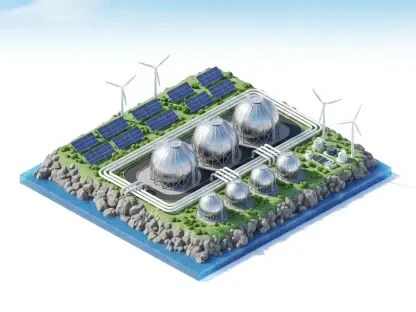
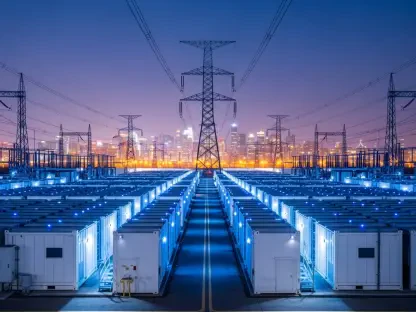
Once overshadowed by the buzz around electric vehicles, energy storage has emerged as a powerhouse in China’s battery landscape, taking center stage at industry discussions. No longer just a supporting act, this sector is driving growth with impressive speed, fueled by plummeting costs and increasingly sophisticated revenue models. Beyond simple price arbitrage, energy storage systems now tap into capacity compensation and auxiliary grid services, creating multiple income streams that make investments more appealing than ever. Policies like capacity tariffs have further slashed financial risks, encouraging wider adoption. With internal rates of return often surpassing 8% domestically and 10% in international markets, the commercial allure of energy storage is hard to ignore. This momentum suggests a profound shift, positioning the sector as a key pillar of the industry’s next growth wave.
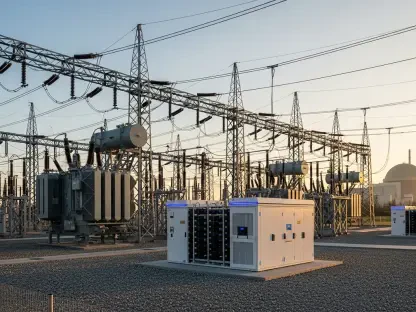
Beyond the numbers, the technological strides in energy storage are equally compelling. Systems are evolving into “grid-forming” technologies, capable of providing critical support like black-start capabilities and inertia to stabilize power networks. This isn’t just about storing energy—it’s about transforming how grids operate, delivering high-value services that command premium returns. Large-capacity battery cells, often exceeding 314Ah, are in high demand for their ability to cut integration costs, while smaller cells face declining relevance. Yet, despite this rosy outlook, challenges persist, including pricing pressures from major buyers that keep system costs low. Nevertheless, the blend of market dynamics, policy support, and innovation paints a picture of a sector not just ready to grow but poised to lead, redefining energy reliability on a massive scale.
The Grounded Reality of Solid-State Dreams
Solid-state batteries have long been hailed as the holy grail of energy storage, promising unparalleled safety and performance, but the industry is now tempering its enthusiasm with a dose of hard reality. At the Sichuan conference, experts like Academician Ouyang Minggao laid out a sobering timeline, suggesting that full commercialization remains out of reach until at least 2030 due to daunting engineering hurdles. Issues like maintaining stable solid-solid interfaces during charge cycles and the impracticality of high-pressure production environments are major roadblocks. Unlike liquid electrolytes that adapt easily, solid-state designs struggle with degradation and impedance, stalling progress. This isn’t the hype-driven narrative of a few years ago; it’s a pragmatic acknowledgment that revolutionary change takes time, even in an industry known for rapid leaps.
In the interim, the focus is shifting to transitional technologies like solid-liquid hybrid batteries, which offer a workable compromise by boosting energy density beyond current thresholds. These hybrids are seen as a bridge, potentially hitting the market sooner while full solid-state solutions inch forward. Manufacturing challenges, such as adapting to dry-electrode processes and managing the environmental sensitivities of materials like sulfide electrolytes, further complicate the picture. Yet, this cautious outlook isn’t a sign of defeat but rather a strategic pivot to prioritize achievable milestones over inflated promises. Industry leaders view these discussions as a healthy step, ensuring that when solid-state batteries do arrive, they’ll be robust and ready for real-world demands. The journey is long, but the destination still holds transformative potential.
Recycling Challenges Amid a Retirement Wave
As the first generation of new-energy vehicles approaches the end of its lifespan, China’s battery industry faces a tidal wave of retirements—an estimated 370,000 tons of batteries this year alone, projected to exceed a million tons by 2030. This surge represents a colossal market opportunity, potentially worth trillions, but it also exposes deep flaws in the recycling ecosystem. Officially recognized firms, numbering 148, adhere to rigorous environmental and safety standards, yet they grapple with high compliance costs that undermine competitiveness. Meanwhile, thousands of informal recyclers, prioritizing profit over protocol, siphon off waste batteries into unregulated channels, creating safety hazards and resource waste. This stark divide highlights an urgent need for systemic reform to harness the potential of this growing sector without sacrificing sustainability.
Compounding the issue are technical and economic barriers that make recycling a tough nut to crack. Advanced battery designs, such as Cell-to-Pack and Cell-to-Chassis integrations, complicate non-destructive disassembly, demanding innovative approaches like intelligent automation and eco-friendly adhesives. Economically, the dominant lithium iron phosphate batteries, which hold over 70% of the market, yield lower recycling value compared to ternary alternatives, especially amid volatile lithium prices. However, emerging solutions, like direct regeneration of cathode materials that can slash costs by 40%, offer hope. Regulatory pressures, both domestic and international, are pushing for stricter controls and traceability, aiming to edge out non-compliant players. If the industry can bridge these gaps, recycling could become a cornerstone of sustainable growth rather than a looming liability.
Aligning With Global Sustainability Demands
The push for sustainability is no longer just a domestic concern for China’s battery industry; it’s a global mandate reshaping the entire supply chain. The European Union’s stringent regulations on batteries, which demand carbon footprint transparency and specific quotas for recycled materials, are setting a high bar that manufacturers and recyclers must meet to access key markets. These rules aren’t just guidelines—they’re binding requirements that carry significant compliance costs, forcing companies to rethink everything from production processes to end-of-life management. This external pressure is a wake-up call, nudging the industry toward greater accountability and environmental responsibility at a time when scrutiny on green credentials has never been sharper.
At the same time, domestic policies are aligning with these international standards, creating a dual force for change. Updated recycling rules aim to control the flow of waste batteries and ensure proper coding and registration, while broader initiatives emphasize traceability throughout the battery lifecycle. This convergence of regulations is steadily sidelining non-compliant small-scale operators, paving the way for a more structured and responsible sector. Yet, the transition isn’t seamless—balancing high compliance costs with profitability remains a tightrope walk for many firms. Nevertheless, this global push for sustainability could be the catalyst needed to elevate China’s battery industry into a model of green innovation, provided it can adapt swiftly to these evolving demands and turn regulatory challenges into competitive advantages.
Charting the Path Ahead
Reflecting on the pivotal discussions held at the industry conference in Sichuan, it’s clear that China’s power battery sector stood at a crossroads, balancing bold ambition with sobering realities. The transition from volume-driven growth to a focus on quality marked a significant evolution, as did the remarkable expansion into diverse applications across sea, land, and air. Energy storage emerged as a dominant force, while the tempered outlook on solid-state batteries and the urgent push for recycling reforms highlighted the complexities of progress. Navigating global sustainability standards added another layer of challenge, yet also offered a chance to lead by example. Looking forward, the industry must double down on technological innovation, forging solutions for everything from higher energy densities to efficient disassembly methods. Strengthening partnerships across the supply chain and aligning with international regulations will be crucial to unlocking new markets and ensuring long-term viability. If these steps are taken with precision, the groundwork laid during this transformative period could position China not just as a battery manufacturer, but as a global pioneer in sustainable energy solutions.