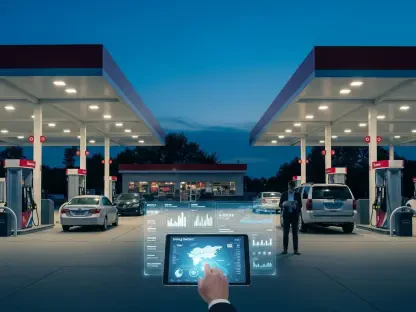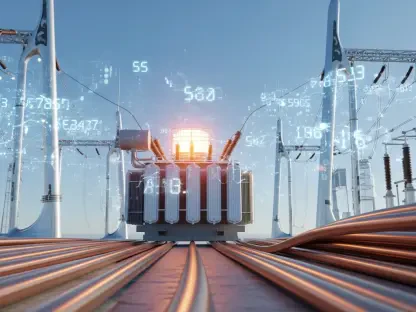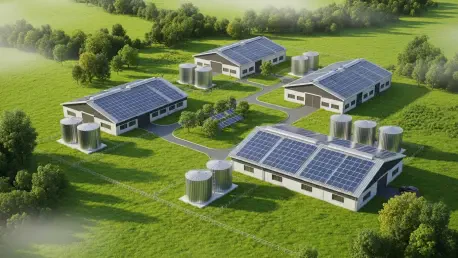

The massive network of copper and steel that defined the American landscape for a century is facing its most significant challenge as the cost of generating power on a single rooftop begins to undercut the price of moving it across a thousand miles. For decades, rural electric cooperatives have operated under a stable, if inefficient, model of centralized distribution. These member-owned utilities were the heroes of the twentieth century, bringing light to the most remote corners of the country when private firms refused the investment. Today, that same sprawling infrastructure, characterized by low customer density and immense maintenance requirements, has transitioned from a vital asset into a potential financial anchor.
This transformation is driven by a fundamental shift from a hub-and-spoke delivery system to decentralized energy environments. Rural distribution systems are currently managed by local cooperatives that purchase bulk power from Generation and Transmission (G&T) entities. While these G&Ts rely on legacy fossil-fuel plants, the local members they serve are increasingly looking toward a future where the grid is a backup rather than the primary source. Regulatory frameworks that once protected these monopolies are now being tested by the technical reality that customers can produce their own electricity more cheaply than they can buy it from the cooperative.
The Economic and Technological Shift Toward Decentralization
Emerging Trends in On-Site Generation and Local Storage
A significant migration is occurring as industrial and residential members in rural areas move toward energy independence through customer-sited solar arrays paired with advanced battery systems. This trend is not merely a preference for green energy but a calculated economic decision to bypass the high delivery surcharges inherent in rural billing. As battery technology improves, the reliability of these local systems has reached a point where even energy-intensive agricultural operations are finding it feasible to operate independently of the main grid for extended periods.
This change in consumer behavior is forcing a reevaluation of the utility-customer relationship. In the past, the cooperative was the sole provider of a necessary commodity; now, it is becoming a competitor against the very members it was designed to serve. As industrial loads—the primary revenue drivers for many rural co-ops—install their own generation capacity, the remaining costs of maintaining the grid must be spread across a smaller pool of residential members. This creates a potential “utility death spiral” where rising rates drive more customers to adopt their own solar and storage solutions.
Market Projections for Renewable Integration in Rural Grids
Growth forecasts suggest that the adoption of solar technology in rural corridors will accelerate as the Levelized Cost of Energy (LCOE) for renewables continues to plummet compared to the fixed costs of maintaining coal and gas assets. Projections indicate that between now and 2030, the economic gap will widen further, making it nearly impossible for traditional central-station power to compete on price alone. Financial indicators already point toward a future where the marginal cost of wind and solar is near zero, while the operational costs of aging thermal plants continue to climb due to carbon regulations and fuel price volatility.
The integration of these renewables into rural grids is no longer a speculative scenario but an immediate market reality. Localized grids are proving to be more resilient during extreme weather events, which frequently cause outages in long-distance transmission lines. Consequently, the demand for traditional fossil-fuel generation is expected to see a steady decline as cooperative members prioritize the price stability and autonomy offered by local generation.
Navigating the Crisis of Stranded Assets and High Maintenance Costs
Rural cooperatives are currently responsible for roughly 40% of the nation’s grid infrastructure despite serving only about 12% of the population. This disproportionate burden means that for every mile of wire, there are fewer customers to pay for its upkeep compared to urban utilities. As decentralized energy becomes the norm, these thousands of miles of poles and wires risk becoming stranded assets—physical infrastructure that remains on the books as a debt obligation but no longer provides the competitive value required to pay off that debt.
The financial vulnerability of the rural model is compounded by the long-term debt used to build fossil-fuel plants and transmission lines. To reconcile these plummeting costs of decentralized alternatives with legacy financial commitments, cooperatives must find new technological pathways. Some are exploring the repurposing of existing distribution lines to facilitate two-way energy flows, turning the grid into a platform for trading locally generated power rather than just a one-way delivery pipe. However, the path to economic viability remains narrow for those heavily invested in 20th-century technology.
The Regulatory Landscape and Contractual Rigidities
The ability of local cooperatives to pivot is often hindered by the long-term wholesale power contracts they hold with G&T entities. These “all-requirements” contracts frequently mandate that the local cooperative purchase nearly all its power from the G&T, effectively banning them from developing their own local solar projects. Evaluating the impact of these rigid agreements reveals a growing legal tension, as local boards seek to “buy out” of their contracts to take advantage of cheaper, cleaner energy sources available on the open market.
Federal policies, including the legacy of the Rural Electrification Act, are also being updated to provide incentives for a cleaner transition. New federal grants and loan forgiveness programs are appearing, designed to help cooperatives retire coal debt early and reinvest in renewable infrastructure. Despite these incentives, compliance with grid reliability standards and the navigation of complex state-level regulations remain significant hurdles for small organizations with limited administrative capacity.
The Future of the Rural Utility Model: From Distribution to Management
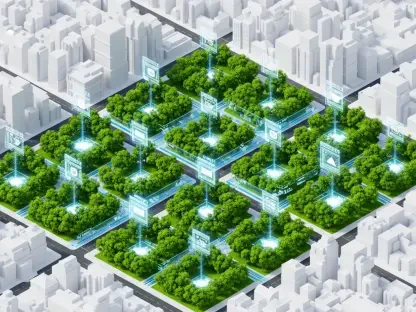
The primary energy architecture of the rural landscape is likely to shift toward a network of mini-grids and micro-grids. In this new model, the cooperative moves from being a simple distributor of power to a sophisticated manager of a complex, digitized energy ecosystem. Smart-grid technology will allow these organizations to orchestrate thousands of individual solar and battery systems, balancing supply and demand in real-time. This shift redefines the utility as a service provider rather than a commodity seller, focusing on reliability and system integration.
There is immense potential for cooperatives to lead this transition by owning and maintaining the on-site storage and generation equipment for their members. By installing equipment behind the meter, the cooperative can preserve its revenue stream while providing the lower costs and high reliability that members demand. This evolution would allow the cooperative spirit to survive by adapting to a decarbonized market where the value lies in expertise and infrastructure management rather than the volume of kilowatt-hours sold.
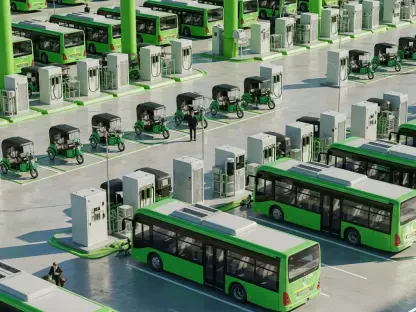
The rural energy landscape underwent a definitive shift as the high-cost transmission model was eclipsed by the plummeting price of solar and storage technologies. Strategic leaders in the cooperative sector recognized that survival required a transition toward flexible infrastructure and the aggressive restructuring of legacy debt. By prioritizing the management of decentralized assets over the defense of aging coal plants, these organizations successfully pivoted to become the orchestrators of a modern, digitized grid. Future considerations must now focus on the total integration of electric vehicle charging and automated demand response into these rural micro-grids to ensure long-term stability and continued relevance in a member-driven market.