
In the sun-drenched landscapes of rural Angola, where daylight is abundant, the setting of the sun has long signaled an end to productivity, education, and community life for countless villages existing far from the reach of the national electrical grid. This energy poverty creates a cycle of limitation, disproportionately affecting women and hindering economic development. A groundbreaking corporate social responsibility initiative is now challenging this reality by transforming women from energy consumers into energy producers. Through a strategic partnership between DP World and Barefoot College International (BCI), the ‘Solar Mamas’ program has extended its reach into the Kwanza Sul province, equipping local women with the skills to build, install, and maintain solar power systems, thereby illuminating a path toward sustainable and self-sufficient futures for their communities. This initiative represents a profound shift, focusing not on temporary aid but on building lasting local capacity.
From Trainees to Technicians a New Model of Empowerment
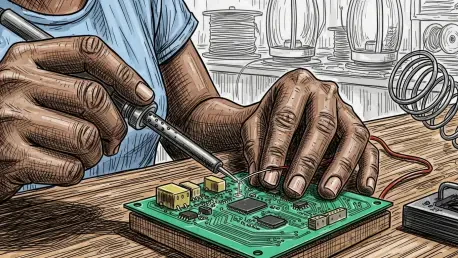
The core of the program’s success lies in its uniquely accessible and intensive educational model, which recently saw four Angolan women complete a rigorous three-month training course at BCI’s academy in Dakar, Senegal. This immersive experience was designed to transcend traditional barriers to education, such as formal literacy or language differences, by employing a hands-on, practical curriculum. The women learned the intricate mechanics of solar engineering through direct application, mastering everything from soldering circuits and assembling solar panels to installing and maintaining complete off-grid power systems. This tangible skill set empowers them to become the first point of contact for energy solutions in their villages. Upon returning home, they are not just recipients of technology but are fully qualified technicians capable of ensuring the long-term viability and functionality of the clean energy infrastructure they bring with them, creating a decentralized and resilient energy network from the ground up.
Moreover, the training extends far beyond technical proficiency, integrating a robust entrepreneurship component that positions these women as economic leaders within their communities. The curriculum is specifically designed to equip the Solar Mamas with the knowledge to launch and manage their own micro-enterprises centered around renewable energy. They learn financial literacy, inventory management, and business planning, skills that enable them to sell and service solar products like lanterns and home lighting systems, thereby earning a sustainable income. This economic independence fundamentally alters their societal roles, elevating their status and giving them a powerful voice in household and community decisions. By placing control of this vital resource in the hands of women, the program directly challenges long-standing gender inequalities and demonstrates that empowering women is one of the most effective catalysts for comprehensive community development and poverty alleviation in a field traditionally dominated by men.
Scaling Impact for a Sustainable Future
The expansion of the ‘Solar Mamas’ initiative into Angola is a significant milestone within a broader, long-term sustainability strategy aimed at fostering holistic community development. This program is not an isolated act of charity but a core component of a vision that links corporate responsibility with tangible social and environmental progress. By focusing on women’s empowerment and renewable energy, the initiative tackles several systemic issues at once: it alleviates energy poverty, promotes gender equality, and supports a just transition to a low-carbon future. With the inclusion of the new Angolan cohort, DP World has now sponsored a total of 32 women from across sub-Saharan Africa, creating a growing network of skilled female solar engineers. This scaling effort underscores a deep commitment to creating self-reinforcing cycles of positive change, where empowered women drive economic growth, improve educational outcomes for children, and build climate-resilient communities for generations to come.
The integration of these newly trained solar engineers back into their Angolan villages provided a powerful demonstration of how targeted investment in human capital yielded transformative results. The arrival of clean, reliable light and power did more than simply extend the day; it fundamentally reshaped community life by enhancing safety, enabling children to study after dark, and allowing small businesses to operate for longer hours. The program’s success was measured not only in kilowatts installed but in the profound social and economic ripples it created. This initiative validated a development model where empowering women served as the linchpin for widespread, sustainable progress. The experience in Kwanza Sul offered a compelling blueprint for how strategic partnerships could effectively address deep-seated challenges, proving that equipping women with future-ready skills was one of the most direct and impactful routes to building resilient and prosperous communities.