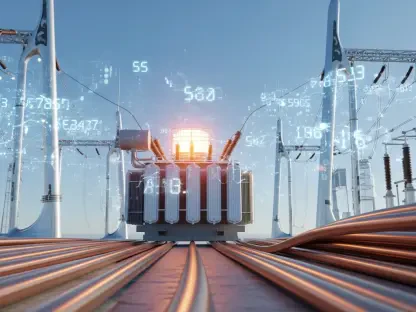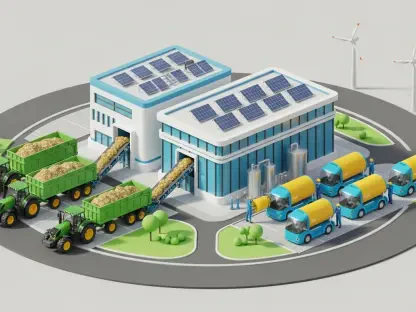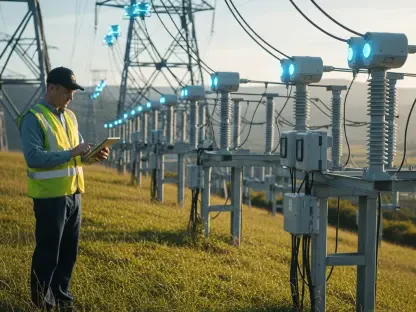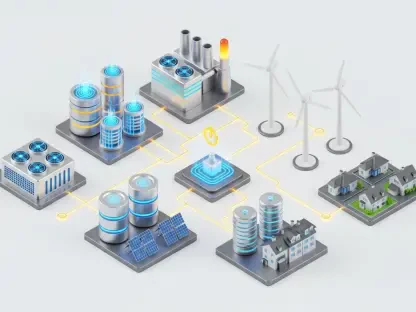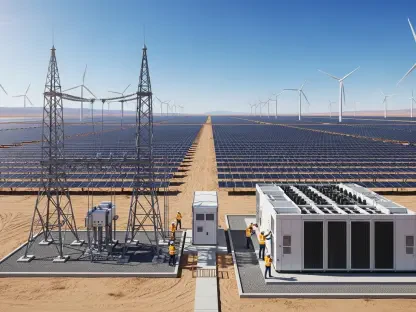

The vast and intricate network of the national energy grid is undergoing its most significant transformation in a century, driven by the global imperative to achieve net-zero emissions and the escalating demands of a digitized economy. This shift places unprecedented pressure on an infrastructure originally designed for a different era, creating complex challenges for utility providers tasked with ensuring a stable, reliable power supply. The transition from a centralized, fossil-fuel-based system to a decentralized model incorporating renewables, electric vehicles, and high-demand data centers requires a fundamental change in how energy infrastructure is planned, managed, and developed. Traditional, static planning methodologies are proving inadequate to handle the dynamic and unpredictable nature of modern energy flows. The core problem lies in a sprawling landscape of fragmented datasets, housed in legacy systems and spread across numerous external partners, which must be converted into a coherent, actionable intelligence source. This evolution is not merely an upgrade; it is a complete reimagining of grid management, where digital transformation and data maturity have become the cornerstones of operational resilience and successful decarbonization.
The Digital Imperative for Grid Modernization
Bridging the Data Divide
The critical challenge for today’s energy providers is to synthesize an overwhelming volume of disparate information into a unified operational view. Legacy systems often operate in silos, making it difficult to gain a holistic understanding of network performance and future needs. Data from Distribution Network Operators (DNOs), Transmission Owners, and various other stakeholders exists in countless formats, creating a significant barrier to efficient analysis and strategic planning. The move towards net-zero exacerbates this issue, as intermittent renewable energy sources and the electrification of transport introduce new layers of complexity and variability. This environment demands a transition from reactive maintenance and incremental upgrades to a predictive, data-driven approach. A prime example of this strategic shift is National Grid’s development of a sophisticated digital twin platform. This initiative serves as a powerful case study for how established industries can leverage advanced technology to overcome the limitations of their existing infrastructure and build a foundation for a sustainable energy future.
The journey toward a modernized grid is fundamentally a journey toward enhanced data maturity, which enables the operational resilience necessary to navigate the clean energy transition. Without a comprehensive and dynamic understanding of the grid, utilities are left making critical investment decisions based on incomplete or outdated models. This can lead to inefficient allocation of capital, delayed connections for new high-load consumers like data centers, and an increased risk of network instability. By embracing digital transformation, providers can move beyond simply collecting data to actively using it for predictive analytics and scenario modeling. This proactive stance is essential for decarbonization efforts, allowing engineers to accurately forecast the impact of new renewable installations or widespread EV charging on local substations. The adoption of digital twin technology represents a pivotal step in this evolution, providing the tools needed to not only manage the grid of today but also to design and build the resilient, flexible grid required for tomorrow.
The Triton Platform in Action
At the heart of this modernization effort is the Triton platform, a comprehensive digital replica of the physical electricity network designed to revolutionize infrastructure planning. Its primary function is to consolidate and harmonize thousands of diverse datasets from across the energy ecosystem, creating a single, authoritative source of truth. By automating the previously painstaking process of data ingestion and integration, Triton empowers engineers to run complex network simulations with unprecedented speed and accuracy. This capability allows them to stress-test the grid against a wide array of potential future scenarios, from a sudden surge in demand from a new industrial park to the variable output of a large-scale wind farm. The platform effectively replaces months of manual analysis with rapid, automated modeling, dramatically accelerating the decision-making process for critical infrastructure projects. This dynamic simulation environment provides the long-term visibility required to make strategic capital investments that align with both consumer needs and national climate goals.
The implementation of this digital twin has yielded remarkable and quantifiable improvements in operational efficiency. A standout achievement is the platform’s ability to reduce the time needed to analyze and approve network reinforcement decisions by a staggering 70 percent. This acceleration is crucial in a fast-paced energy market where delays can have significant economic consequences. By enabling National Grid to accurately map future demand at specific grid supply points and substations, the platform provides a clear, data-backed roadmap for infrastructure development. Engineers can now precisely identify potential bottlenecks and vulnerabilities years in advance, allowing for targeted and cost-effective upgrades. This forward-looking perspective is indispensable for maintaining grid stability while accommodating the rapid growth of renewable energy sources and other high-load connections, ensuring that the network remains robust and ready for the future. The Triton platform transforms grid planning from a static, historical exercise into a dynamic, predictive science.
Tangible Benefits and Industry Implications
Empowering Utilities and Consumers
The internal benefits of deploying a digital twin are multifaceted, leading to a smarter, more resilient, and efficient grid management system. For a utility like National Grid, the platform significantly reduces operational risk by providing a safe, virtual environment to test the impact of network changes before they are implemented in the real world. This capability minimizes the chance of unforeseen disruptions and enhances the overall reliability of the power supply. Furthermore, it empowers decision-makers with clear, data-driven insights, enabling them to allocate resources more effectively and prioritize investments where they will have the greatest impact. The speed at which complex scenarios can be modeled allows the organization to be more agile and responsive to the evolving energy landscape. Ultimately, this leads to a more robust and future-ready grid, capable of securely managing the increasing complexity of modern energy demands while supporting the transition to a sustainable energy system.
Beyond the utility’s own operations, the advanced capabilities of the digital twin have direct and positive implications for large-scale commercial and industrial energy consumers. For Chief Technology Officers and facility managers planning the construction of high-demand facilities such as data centers or large manufacturing plants, grid connection timelines and capacity assurances are critical business factors. The Triton platform’s sophisticated modeling helps evaluate the impact of these new high-load connections on the existing network with a high degree of precision. This provides businesses with more reliable and transparent information regarding connection feasibility, timelines, and potential infrastructure requirements. By facilitating better planning and reducing uncertainty, the digital twin helps streamline the development process for major commercial projects, fostering economic growth and supporting the integration of large-scale renewable energy installations that are vital for achieving corporate and national sustainability targets.
A Blueprint for the Future
The success of the Triton project and its subsequent recognition with the “Unlocking Data Award” underscore a pivotal industry trend: the strategic utilization of data is now inextricably linked to advancing the clean energy transition. This initiative serves as a compelling blueprint for other legacy industries grappling with the challenges of digital transformation. It demonstrates that by investing in a robust data infrastructure and embracing innovative technologies like digital twins, it is possible to transform vast, fragmented datasets into a powerful strategic asset. The project highlights that modernizing critical infrastructure is no longer just about physical upgrades to hardware; it is equally about upgrading the digital intelligence that governs the system. As the energy sector continues to evolve, the ability to harness data for predictive modeling, scenario analysis, and informed decision-making will become the primary differentiator between organizations that merely adapt and those that lead the way to a decarbonized future.
Pioneering a Data-Driven Energy Future
The strategic implementation of the digital twin platform established a new paradigm for managing national energy infrastructure. It proved that by creating a dynamic, virtual replica of the physical grid, it was possible to overcome the inherent limitations of fragmented legacy systems and static planning models. The project’s success in consolidating diverse datasets and automating complex simulations demonstrated a clear path toward greater operational efficiency and resilience. This initiative not only empowered engineers with the tools to make faster, more informed decisions but also provided critical stakeholders with the foresight needed to plan for a decarbonized future. The resulting improvements in network analysis and investment planning affirmed that a sophisticated, data-centric approach was essential for navigating the complexities of the modern energy landscape. This pioneering work has laid the groundwork for a more predictive, agile, and sustainable management of the nation’s most critical infrastructure.