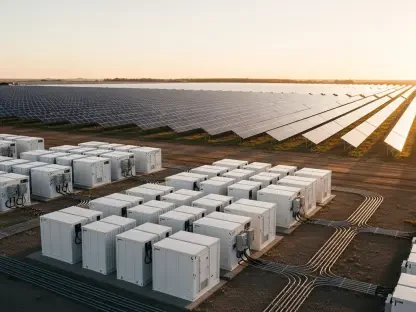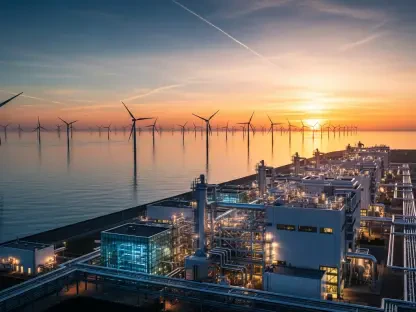

As nations race to integrate renewable energy sources, the very stability of their power grids faces an unprecedented challenge, and Finland is addressing this head-on with a groundbreaking project set to become the nation’s largest battery energy storage system (BESS). Located in Haapajärvi, this 125MW/250MWh, 2-hour duration facility represents a critical step in modernizing the Nordic electrical infrastructure. The project, owned by the Swiss energy company Alpiq, relies on the advanced technological backbone provided by Hitachi Energy. The firm is tasked with delivering the complete AC-side solution, a pivotal contribution that will enable the massive battery to seamlessly interact with the grid, provide essential stability services, and navigate the complex demands of a rapidly evolving energy landscape. This venture is more than just an installation; it is a benchmark for how sophisticated engineering can solve the intermittency puzzle posed by wind and solar power.
The Engineering Behind the Benchmark Project
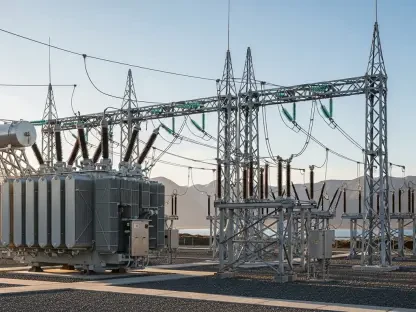
The foundation of the Haapajärvi project’s success lies in Hitachi Energy’s delivery of a fully integrated, end-to-end AC solution, which is considered critically important for large-scale BESS deployments. This comprehensive package extends far beyond the core Power Conversion System (PCS), encompassing a suite of essential technologies including transformers, Ring Main Units (RMUs), a Power Plant Controller (PPC), and a SCADA-based Energy Management System (EMS). By engineering this complete “AC block,” all components are designed to work in perfect harmony from the outset. This holistic approach is no longer a luxury but an essential requirement for ensuring stable, predictable performance and meeting the tight delivery schedules typical of such ambitious undertakings. For a system designed to be a cornerstone of grid stability, the seamless integration of these technologies ensures that the entire asset functions as a single, reliable unit, capable of responding to grid needs with precision and speed.
One of the most technically demanding aspects of this initiative is the BESS’s grid-forming capability, a feature essential for the future of power grids with high renewable penetration. Unlike traditional grid-following inverters that simply react to the existing electrical frequency, a grid-forming system can independently generate and maintain its own voltage and frequency. This allows it to act like a traditional power plant, creating a stable grid reference point and providing the inertia that is lost as synchronous generators are phased out. Hitachi Energy addresses this significant technical hurdle by providing a full suite of system studies, advanced simulation models, and validation capabilities. This rigorous process allows the grid-forming functionality to be designed, tested, and verified to meet the demanding grid codes of Fingrid, Finland’s transmission system operator, long before the system is physically deployed, mitigating risks and ensuring compliance from day one.
Overcoming a Dual Challenge
The project’s northern location presents an exceptional set of environmental hurdles, making robust and resilient engineering a paramount concern. The equipment must be meticulously designed to withstand the harsh Nordic climate, which includes extremely low temperatures, high humidity, heavy snow, and persistent ice. These challenging conditions demand a physically tough and highly reliable system engineered for a long operational lifetime, especially given the potential for limited site access during severe weather. To mitigate these environmental risks, the Haapajärvi BESS is designed as a completely indoor system. This strategic choice protects the sensitive power conversion equipment and other critical components from the extreme climate, ensuring the system can operate continuously and reliably. This durability is fundamental for an asset tasked with providing critical grid-balancing services, where unplanned downtime is not an option.
Beyond the formidable physical environment, the Haapajärvi BESS is engineered to navigate the dynamic and evolving revenue landscape of the modern energy market. Initially, the system will primarily participate in the lucrative Nordic ancillary services market, providing essential services like frequency regulation to maintain grid stability. However, the core long-term strategy is built around flexibility. The system is designed to be future-proof, allowing for its capabilities to be adapted and expanded through software and control upgrades rather than requiring major hardware changes. This forward-looking approach acknowledges that as market rules and price signals evolve, the BESS can be updated to support new applications and capture emerging revenue opportunities. This inherent adaptability ensures that the asset will remain a valuable and versatile component of the energy grid for decades to come, capable of evolving alongside the market it serves.
A Strategic Approach to Power Conversion
Hitachi Energy’s capacity to deliver such a sophisticated and integrated solution was significantly enhanced by its strategic acquisition of PCS manufacturer Eks Energy. This corporate move proved pivotal, creating a powerful synergy by combining Hitachi’s global scale and deep grid expertise with Eks Energy’s specialized knowledge in power conversion control systems, particularly in challenging microgrid settings. The acquisition meaningfully strengthened the company’s competitive position in the rapidly growing energy storage market. It elevated their capabilities in advanced grid-forming technology and enabled them to offer a more comprehensive AC-side portfolio, complete with state-of-the-art SCADA and digital control technologies. This consolidation of expertise has allowed Hitachi Energy to provide a more robust, reliable, and intelligent solution capable of meeting the increasingly complex demands of modern power systems.
Ultimately, the Haapajärvi project underscored the strategic importance of the Power Conversion System (PCS) as the brain of the entire energy storage asset. While the PCS represented a small fraction of the project’s total capital expenditure, its influence on the system’s success was immense. This critical component was responsible for how energy was converted, controlled, and ultimately, how the entire facility interacted with the grid. As power systems became more dynamic and less reliant on traditional synchronous generation, the performance and advanced capabilities of the PCS proved to be the determining factor in achieving grid stability, maintaining power quality, and ensuring compliance with stringent grid codes. The selection of a high-quality, well-engineered converter was therefore not merely a technical choice but a strategic one that directly shaped the project’s risk profile, reliability, and long-term financial value, setting a new standard for future energy storage developments.