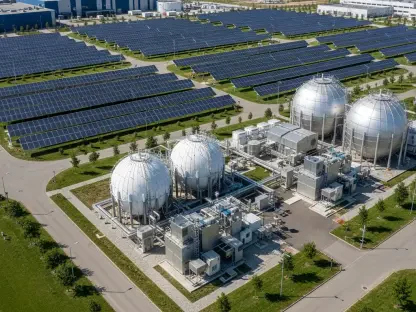

The silent transformation of Maine’s industrial heartlands is accelerating as legacy infrastructure sheds its coal-fired past to embrace the high-tech potential of localized energy storage. Greenville, a town with deep industrial roots, is now at the center of this shift, exploring how a decommissioned steam plant can be repurposed to anchor the regional grid. This move highlights a broader trend where rural communities are no longer just energy consumers but critical players in stabilizing the state electricity supply.
Transitioning from Steam to Storage: The Evolution of Maine’s Energy Landscape
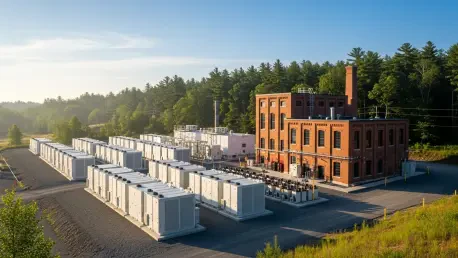
Greenville is navigating a transition that mirrors an overarching strategy to modernize energy distribution. By focusing on a former steam plant, the town is attempting to turn a relic of the fossil fuel era into a hub for grid stabilization. This evolution is necessary as the state pushes toward a goal of 400 megawatts of battery storage by 2030, a target that requires participation from both urban and rural centers.
Synergy between private startups and local government is essential for these brownfield redevelopments. Ground Floor Energy’s interest in the site illustrates how private capital is seeking out underutilized industrial zones to build battery energy storage systems. These systems are vital for maximizing the utility of renewable energy sources, ensuring that power generated during off-peak hours can be deployed when demand spikes.
Analyzing the Forces Driving Rural Grid Modernization
Industrial Repurposing and the Rise of Integrated Green Hubs
The trend of transforming decommissioned plants into green hubs is gaining momentum. In Greenville, the proposed project would share a site with Clean Maine Carbon, an existing operation focused on biochar production. This combination of carbon sequestration and energy storage on a single industrial site creates a multifaceted approach to sustainability that addresses both atmospheric carbon and grid reliability.
Moving toward decentralized energy networks helps bolster the resilience of remote regions. By placing storage capacity closer to the point of consumption, the local grid can maintain stability even if there are disruptions in the primary transmission lines. This localized approach reduces the strain on aging infrastructure and ensures a more consistent power supply for rural residents and businesses.
Performance Metrics and the Roadmap to Maine’s Energy Targets
Maine’s energy trajectory is currently marked by steady progress toward its legislative mandates. With 230 megawatts of storage already online, the state has achieved more than half of its 2030 objective. The Greenville proposal represents a significant incremental step within the Northern Border Regional Commission’s jurisdiction, where energy storage capacity is projected to grow significantly through the end of the decade.
Economic indicators suggest that these projects are more than just environmental milestones; they are catalysts for rural development. Federal-state grant partnerships provide the financial backbone necessary to make these transitions viable. For a town like Greenville, the successful deployment of such technology could attract further investment and solidify its role in the emerging green economy.
Navigating Technical Barriers and Startup Reliability Concerns
Success in the green energy sector often hinges on the reliability of the developers involved. Ground Floor Energy, the proponent of the Greenville project, remains a relatively opaque entity with an inactive digital footprint. This lack of transparency can raise concerns among local stakeholders about the long-term viability of a project if the developer lacks a proven track record or sufficient corporate presence.
Technical logistics also pose challenges, particularly when integrating modern battery installations into sites with existing industrial operations. Ensuring that biochar production can safely coexist with large-scale lithium-ion arrays requires careful engineering and risk management. Furthermore, the integration of new storage technology into aging electrical infrastructure demands significant upgrades to ensure the local substation can handle the bi-directional flow of power.
The Regulatory Framework and Federal-State Grant Dynamics
The Northern Border Regional Commission plays a pivotal role in funding these rural initiatives, providing the capital necessary to bridge the gap between planning and execution. Compliance with state energy mandates is mandatory, yet local governance remains the final arbiter of these developments. The Greenville select board must weigh the potential benefits of the project against land-use priorities and the concerns of the community.
Navigating the synthesis of state-level policy and local economic goals requires a delicate balancing act. While green energy standards provide a clear direction, local officials must ensure that any new facility adheres to strict safety and placement regulations. This oversight ensures that the development serves the public interest without compromising the character of the town or its environmental safety.
Future Projections for Sustainable Energy in Industrial Corridors
Hybrid industrial sites represent the next frontier for Maine’s industrial corridors. Combining energy storage with eco-friendly manufacturing creates a symbiotic relationship that enhances the efficiency of both activities. Over the long term, grid modernization is expected to stabilize local energy costs and provide a foundation for regional economic resilience in an era of fluctuating energy prices.
Greenville could serve as a scalable model for other rural municipalities with dormant industrial assets. By successfully repurposing a former steam plant, the town demonstrates how legacy infrastructure can be revitalized to meet modern needs. This approach minimizes the environmental footprint of new construction while maximizing the economic value of existing brownfields.
Strategic Outlook for Greenville’s Industrial Redevelopment
The evaluation of the Ground Floor Energy proposal offered a comprehensive look at the intersection of rural development and modern grid technology. It was clear that the integration of carbon-neutral fertilizer production with large-scale battery storage provided a unique opportunity for industrial synergy. Stakeholders recognized that while the developer’s background required further scrutiny, the potential for enhancing grid stability was significant.
Moving forward, the town moved toward a more rigorous assessment of developer credentials and technical specifications. Local officials encouraged the pursuit of federal grants that supported long-term infrastructure health rather than short-term gains. This proactive stance ensured that Greenville remained a leader in green infrastructure, setting a precedent for how rural communities managed the transition away from fossil-fueled pasts toward a sustainable energy future.