
Imagine a world where the heavy rumble of cross-border trucks no longer signals a spike in carbon emissions, but instead represents a step toward a cleaner, greener future. In Southeast Asia, this vision is becoming reality as a global logistics leader takes a bold leap into sustainable transportation. A groundbreaking initiative has launched, introducing the region’s first trucking service powered by renewable diesel. This pilot project marks a pivotal moment in the fight against climate change, focusing on decarbonizing road networks that are vital to trade and commerce. By prioritizing innovative fuel solutions, the effort not only challenges traditional practices but also sets a new standard for the industry. As logistics companies grapple with the urgent need to reduce greenhouse gas emissions, this endeavor offers a glimpse of what’s possible when technology and collaboration converge. The journey from Singapore to the Thailand-Malaysia border is more than just a route—it’s a symbol of progress in sustainable supply chains across the Asia Pacific.
A Trailblazing Step in Sustainable Logistics
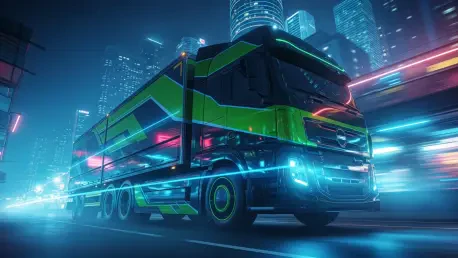
Southeast Asia’s bustling trade corridors have long relied on diesel-powered trucks, contributing significantly to regional carbon footprints. However, a transformative project is now underway, with a dedicated Euro-5 truck traversing from Singapore to the Thailand-Malaysia border, fueled entirely by renewable diesel. Known as hydrotreated vegetable oil (HVO), this sustainable fuel is crafted from 100% renewable raw materials like used cooking oil and animal fat waste. Its promise lies in cutting greenhouse gas emissions by up to 90% over its lifecycle compared to conventional diesel. What makes this even more compelling is its status as a drop-in fuel, requiring no engine modifications—a practical solution for an industry often resistant to change. This pilot isn’t just about testing a new fuel; it’s about proving that sustainable logistics can work in real-world, cross-border conditions, potentially reshaping how goods move through the ASEAN region.
Beyond the fuel itself, the initiative focuses on evaluating key operational aspects that could determine its broader adoption. Performance under varying road and weather conditions, supply chain reliability across borders, and the actual emissions reductions achieved are all under scrutiny. The goal is to gather actionable data that can inform a larger strategy for integrating renewable fuels into logistics operations. If successful, this could lead to a significant shift, encouraging other companies to follow suit. Moreover, the project aligns with global climate goals, such as those outlined in the Paris Agreement, which aim to limit temperature rise to 1.5°C by century’s end. This alignment signals a commitment to not just meeting targets but setting a precedent for environmental responsibility in a region where road transport remains a major emissions source. The implications are clear: sustainability isn’t a distant dream but a tangible target within reach.
Collaboration as the Engine of Change
Driving such an ambitious project forward requires more than just innovation—it demands partnership across the value chain. Three key players have come together to make this pilot a reality: a global logistics leader, a world-renowned renewable fuel producer, and a Singapore-based fuel solutions provider. Their combined expertise ensures that every angle, from fuel production to distribution and operational logistics, is covered. This collaborative spirit reflects a broader trend in the industry, where tackling climate challenges isn’t a solo endeavor but a shared mission. Voices from each partner emphasize the urgency of transitioning to cleaner energy solutions, with a unified focus on demonstrating the immediate benefits of renewable diesel. Such teamwork isn’t just strategic; it’s essential for scaling solutions that can make a meaningful impact on emissions in a complex sector like logistics.
Furthermore, this partnership highlights the diverse perspectives needed to address sustainability in transportation. While one entity drives the operational side, testing the fuel in real-world conditions, another brings cutting-edge fuel technology to the table, ensuring the product delivers on its environmental promises. The third focuses on seamless distribution, ensuring the fuel reaches its destination reliably. Together, these efforts create a robust framework for testing and refining the use of renewable diesel. This isn’t merely about a single truck or route; it’s about laying the groundwork for systemic change across the Asia Pacific. As the industry watches, the success of this collaboration could inspire similar alliances, proving that collective action can accelerate the shift to low-carbon logistics. The message is powerful: no single company can decarbonize transport alone, but united efforts can pave the way.
Looking Ahead to a Greener Horizon
Reflecting on the journey so far, this pilot carved a historic path as Southeast Asia’s first cross-border trucking service fueled by renewable diesel. It tested the boundaries of what’s possible, showcasing a fuel that could slash emissions dramatically while fitting seamlessly into existing infrastructure. The collaboration behind the initiative stood as a testament to the power of shared vision, blending operational know-how with technological innovation. By aligning with international climate objectives, the project proved that regional efforts could contribute to global goals. Every mile traveled during the pilot represented a small but significant victory in the broader battle against climate change, offering hard data on feasibility and impact.
Moving forward, the insights gained from this endeavor must guide the next steps for scaling renewable fuel use in logistics. Expanding such initiatives across more routes and fleets in the region should be a priority, with an eye on building robust supply chains for sustainable fuels. Policymakers and industry leaders alike need to take note, fostering incentives and infrastructure to support wider adoption. Additionally, continued collaboration will be key to overcoming logistical and economic hurdles that may arise. This project wasn’t just a test run; it was a blueprint for transforming road transportation into a cornerstone of sustainability. As the Asia Pacific looks to balance economic growth with environmental stewardship, the path charted by this effort offers a promising direction for a cleaner, more responsible future in logistics.