
A Winter of Volatility: Understanding New England’s Energy Squeeze
A potent combination of frigid temperatures and soaring natural gas prices sent a shockwave through New England’s wholesale electricity market in December 2025, culminating in the most significant price spike in over a year. An analysis of the latest market data reveals a system under considerable strain, highlighting the region’s deep-seated vulnerability to fuel cost volatility and seasonal demand surges. This article delves into the core drivers behind this dramatic price escalation, examining the specific market data, the resulting shifts in the power generation mix, and the significant environmental consequences. Ultimately, it explores the critical takeaways from this event and what they signal for the future of the region’s energy security and stability.
The Foundation of a Fragile Market: New England’s Reliance on Natural Gas
To understand the events of December 2025, one must first grasp the foundational structure of New England’s power grid. For years, the region has grown increasingly dependent on natural gas as its primary fuel for electricity generation, a trend driven by the retirement of coal and nuclear plants. In 2024, natural-gas-fired power plants produced 55% of the region’s electricity. Critically, these plants also typically set the real-time, or marginal, price for wholesale electricity. This direct linkage means that fluctuations in the natural gas market are not merely an associated cost but the primary determinant of electricity prices across New England. This heavy reliance creates a precarious situation where any disruption to gas supply or spike in its cost is immediately and profoundly felt throughout the entire power system.
Anatomy of the Price Surge: A Closer Look at December’s Market Dynamics
The Unprecedented Surge in Wholesale Electricity Costs
The most striking takeaway from the December 2025 data was the sheer magnitude of the price increase. The average price in the Real-Time Energy Market skyrocketed to $129.89 per megawatt-hour (MWh), a staggering 54.6% increase compared to December 2024. The month-over-month jump was even more severe, with prices climbing 112.9% from November 2025, illustrating the rapid acceleration of costs as winter took hold. A parallel trend was evident in the Day-Ahead Energy Market, where the average price hit $136.13/MWh, a 55% year-over-year increase. This consistent and dramatic rise across both markets underscores a fundamental and costly shift in the region’s energy economics.
The Twin Drivers: Soaring Fuel Prices and Frigid Temperatures
This price escalation was not an isolated phenomenon but the direct result of two powerful, intersecting forces. The first and most influential driver was the cost of natural gas, which soared to an average of $14.90 per million British thermal units (MMBtu)—a 63.2% increase from the previous December. This spike in the primary fuel cost placed immense upward pressure on electricity production. Compounding this issue was a significant increase in electricity demand driven by a cold snap. The average temperature in New England for the month was 29°F, a full four degrees colder than the prior year, leading to a 4.8% rise in total electricity consumption to 11,229 gigawatt-hours (GWh). Peak demand on December 15 climbed to 19,477 megawatts (MW), demonstrating how colder weather directly translates into a higher strain on the power grid.
A Shifting Energy Mix and Its Environmental Toll
The high demand and elevated natural gas prices forced a notable shift in the region’s generation mix, with significant environmental consequences. While natural gas (55%) and nuclear (24%) remained the primary energy sources, the grid operator had to dispatch more expensive and carbon-intensive resources to meet demand. Oil-fired power plants, typically used sparingly, were called upon to generate 3.4% of the region’s power. This reliance on a dirtier fuel mix led directly to a 21% year-over-year increase in carbon dioxide (CO2) emissions, which totaled 3.06 million metric tons for the month. Emissions from natural gas plants alone rose 26%, while the increased use of oil and coal contributed a further 283,075 metric tons, highlighting the direct trade-off between cost, reliability, and environmental goals during periods of market stress.
Future Outlook: Navigating the Path to a More Resilient Grid
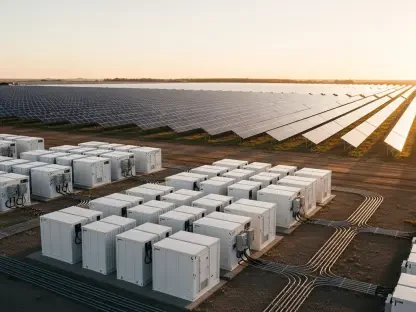
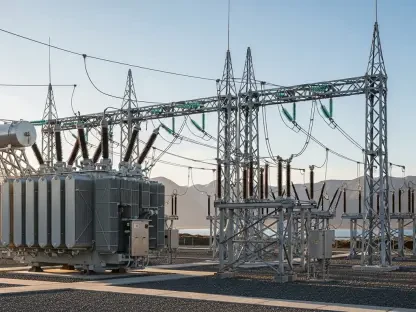
The events of December 2025 serve as a clear warning about the challenges ahead for New England. The region’s continued vulnerability to natural gas price volatility is a persistent threat to both economic stability and clean energy targets. This market shock will likely accelerate discussions around strategic diversification of the energy portfolio. Emerging trends point toward a greater push for offshore wind development, grid-scale battery storage to capture and deploy renewable energy, and enhanced transmission infrastructure to improve energy flow from diverse sources. Furthermore, expect increased regulatory focus on winter energy security, potentially including reforms to capacity markets or incentives for dual-fuel capability at power plants to mitigate the impact of future gas price spikes.
Key Takeaways and Strategic Imperatives
The primary takeaway from this period of extreme volatility is that New England’s heavy reliance on a single fuel source creates an inherently fragile and expensive energy system, particularly during winter. The data confirms a direct causal chain: cold weather drives up demand, which in turn increases demand for natural gas for both heating and power, leading to price spikes that translate directly into higher electricity costs and emissions. For policymakers, the strategic imperative is to accelerate the transition to a more diversified and resilient grid through investments in renewables, energy storage, and transmission. For businesses and consumers, the event underscores the value of energy efficiency and demand-response programs that can reduce overall consumption and alleviate strain on the grid during peak periods.
Conclusion: A Call for Energy Diversification and Resilience
The dramatic spike in New England’s power prices in December 2025 was more than a temporary market anomaly; it was a clear symptom of a systemic vulnerability. The powerful convergence of high natural gas costs and cold-weather demand exposed the financial and environmental risks of the region’s energy dependency. This episode serves as a critical reminder that long-term energy security cannot be achieved without a concerted effort to build a more diversified, flexible, and resilient power system. The path forward demands bold investments in clean energy infrastructure and strategic policies that can insulate the region from the volatility of global fuel markets and ensure a stable, affordable, and sustainable energy future.