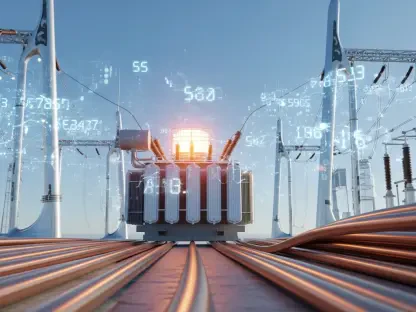

The ambitious and necessary transition to a decentralized green energy grid across Europe has inadvertently forged a digital battlefield where the continent’s power supply is now the primary target. While millions of connected energy assets like solar inverters, electric vehicle chargers, and heat pumps are the backbone of a renewable future, they have simultaneously created a vast and poorly defended attack surface. This new ecosystem, built on the very principles of connectivity and remote control that make it efficient, is exposing Europe’s critical infrastructure to unprecedented cyber threats that could undermine grid stability, compromise national security, and ultimately threaten the continent’s hard-won energy independence. The divergence between the rapid pace of technological adoption and the slow, outdated approach to cybersecurity has created a fragile, interconnected system where systemic vulnerabilities are multiplying far faster than they can be secured, setting the stage for a potential crisis.
The Rise of the Virtual Power Plant
The fundamental shift away from large, centralized fossil fuel power plants toward intermittent renewable sources like solar and wind has introduced significant operational complexities for grid managers. The unpredictable nature of these sources often creates a severe mismatch between energy supply and demand, leading to extreme price volatility and a constant threat of grid instability. To address this challenge, Transmission Service Operators (TSOs) have established innovative markets for “flexibility services,” essentially paying third-party entities to help balance the grid in real-time. This economic incentive, combined with the proliferation of internet-connected energy assets in homes and businesses, has spurred the development of a critical new component of the modern energy system: the Virtual Power Plant, or VPP. These platforms have quickly become indispensable tools for maintaining a stable and reliable flow of electricity in an increasingly complex environment.
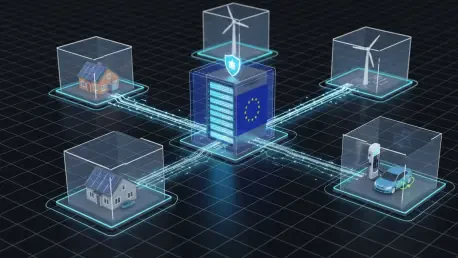
Virtual Power Plants represent the new nerve center of the modern grid, acting as sophisticated digital platforms that aggregate and control thousands, or even millions, of decentralized energy resources through API connections and dedicated hardware. On the supply side, a VPP can combine power from disparate sources like solar installations, wind farms, and battery storage to create a more resilient and predictable power source. On the demand side, it can modulate consumption by, for example, temporarily reducing the charging speed of thousands of electric vehicles or adjusting residential heat pumps. This remarkable ability to orchestrate a vast network of distributed assets allows VPPs to sell crucial balancing services to TSOs. However, this centralized control over massive pools of energy resources also transforms them into a high-value, single point of failure. With some VPPs now controlling capacities exceeding 10 gigawatts, a figure that dwarfs the entire 5 GW reserve capacity of the European grid, a successful cyberattack could have catastrophic consequences.
Exploiting the Weakest Links in the Chain
A significant and often overlooked vulnerability lies within the ubiquitous solar inverters that serve as the interface between solar panels and the power grid. A vast number of these critical devices installed across Europe are manufactured by non-EU entities, particularly Chinese brands that dominate the global market. These inverters are engineered for remote access, connecting via local internet or cellular networks directly to the manufacturer’s cloud platform. This design grants the manufacturer, and potentially other stakeholders in the supply chain, the powerful ability to remotely monitor, control, and even update the firmware of hundreds of thousands of devices at once. While intended for maintenance and optimization, this remote access constitutes a potent potential weapon. A malicious actor who compromises the manufacturer’s systems could gain control over a substantial portion of a nation’s energy generation capacity, turning a network of green assets into a tool for grid destabilization.
The potential for catastrophe is not merely theoretical. The “Horus scenario,” a detailed threat analysis presented by researcher Willem Westerhof, outlines numerous ways a malicious actor could exploit vulnerabilities in inverter APIs or compromised third-party credentials to manipulate over 250,000 connected systems simultaneously. Such a coordinated attack could be used to destabilize or even trigger a cascading, system-wide failure of a nation’s power grid. By exploiting the inherent safety design of these inverters, which automatically shut down during grid frequency deviations, an attacker could orchestrate a blackout. This technological threat is amplified by a critical lag in regulation. Current cybersecurity frameworks, such as the NIS2 directive, were designed for traditional, centralized infrastructure and fail to adequately address the unique, distributed nature of VPPs and the millions of IoT endpoints they command. This regulatory gap means that critical security practices are not mandatory, leaving the grid dangerously exposed while real-world cyberattacks on Ukraine’s power grid and German wind parks serve as stark reminders that the renewable energy sector is already an active battleground.
A Crisis of Sovereignty and the Path Forward
The escalating dependency on third-party cloud platforms for controlling distributed energy assets has introduced another profound risk to Europe’s energy sovereignty. A majority of these connected devices transmit sensitive operational data, including real-time grid conditions and consumer usage patterns, to cloud services hosted in jurisdictions outside the European Union, primarily in China and the United States. This practice not only exposes data protected under GDPR to foreign access but, more critically, it cedes a degree of remote control over a nation’s critical infrastructure to entities operating in different geopolitical spheres. The ability of a foreign government or a compromised foreign entity to influence or disrupt a country’s energy supply through these cloud platforms presents an unacceptable threat to national resilience and security. This erosion of operational control is a silent crisis that undermines the very concept of an independent and secure European energy future.
To counter these multifaceted threats, European policymakers and industry leaders took decisive action. Regulations were urgently updated to specifically cover the operational security of VPPs and other decentralized energy systems, moving beyond outdated frameworks. A core pillar of this new strategy was the enforcement of data and operational sovereignty, which mandated that the physical IT infrastructure and control applications for critical energy systems remain within the EU or trusted partner nations. Simultaneously, energy providers and VPP operators were required to adopt secure-by-design principles aligned with robust international standards. This involved the widespread implementation of a zero-trust security model, rigorous network segmentation to isolate critical operational systems, and the adoption of hybrid cloud architectures. This strategic approach allowed them to leverage the public cloud for non-critical functions while ensuring that all sensitive operational technology and control systems were kept within a secure, on-premises or private cloud environment, thereby safeguarding the future stability and security of Europe’s power grid.