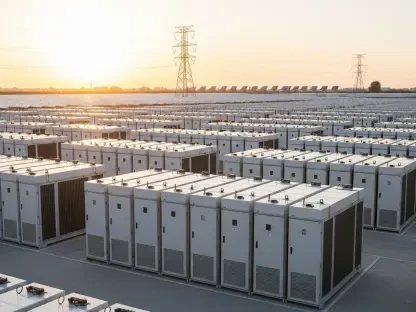

The relentless expansion of artificial intelligence is creating an unprecedented energy paradox, where computational progress is directly tethered to the physical limitations of an aging global power infrastructure. This dynamic has sparked a race for innovation, pushing energy and technology firms toward novel collaborations. A landmark strategic partnership between Energy Vault Holdings and Peak Energy exemplifies this trend, aiming to develop and deploy specialized sodium-ion energy storage solutions designed to quench the insatiable power demands of AI-first data centers and next-generation AI Neoclouds. This alliance signals a pivotal shift in how the industry approaches the foundational challenge of powering the future of computation.
The Unquenchable Thirst: AI’s Escalating Demand on Global Power Grids
The global data center industry is undergoing a fundamental transformation driven by the explosive growth of artificial intelligence. Unlike traditional computing workloads, AI training and inference processes create extreme, volatile power demands that conventional grid infrastructure and legacy power systems are ill-equipped to handle. This has moved energy management from a secondary operational concern to a primary strategic bottleneck for technology giants and cloud providers.
Consequently, the market now comprises not only traditional data center operators but also a growing ecosystem of specialized energy technology players. Companies like Energy Vault and Peak Energy are at the forefront, developing solutions that integrate directly with data center architecture. This segment is defined by a push for resilient, scalable, and responsive power delivery systems that can function in tandem with, or even independently of, the traditional grid.
Powering Progress: Innovations in Energy Storage for High-Density Computing
The Shift to Specialized Solutions: How AI is Reshaping Energy Infrastructure
The primary trend reshaping energy infrastructure is the move away from generalized power solutions toward purpose-built systems tailored for high-density computing. The spiky, unpredictable nature of AI workloads necessitates more than just increased capacity; it requires sophisticated energy storage that can rapidly discharge power to manage peaks and ensure uninterrupted operations. This demand is a significant market driver, creating new opportunities for integrated platforms that combine hardware and software.
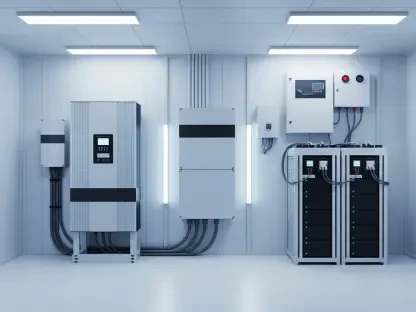
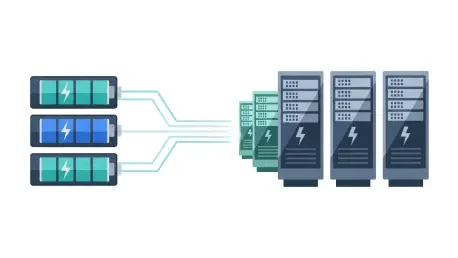
This evolution is best illustrated by the development of full-stack energy storage platforms. The collaboration between Energy Vault and Peak Energy centers on such a system, combining U.S.-manufactured sodium-ion batteries with Energy Vault’s Vault OS™ software controls. This integrated approach promises to streamline data center design by reducing reliance on traditional UPS and cooling systems, thereby accelerating deployment and lowering capital expenditures for operators building out AI capacity.
Sizing the Surge: Projecting the Growth of AI-Driven Energy Consumption
Market data indicates that the energy consumption of data centers is on an exponential trajectory, with AI workloads being the principal catalyst. Projections from 2026 onward show this segment’s power demand doubling every 18 to 24 months, a rate that far outpaces planned grid capacity expansions in many regions. This growth creates a substantial and expanding market for on-site energy storage solutions.
Looking forward, the total addressable market for data center energy storage is forecast to grow into a multi-billion dollar industry by the end of the decade. The 1.5 GWh supply offtake agreement between Energy Vault and Peak Energy serves as a key performance indicator of this trend, representing a significant commitment to securing a supply chain for a technology expected to become standard in future data center deployments.
Confronting the Challenge: Addressing the Bottlenecks in AI Power Delivery
The most significant obstacle facing the AI industry is the inadequacy of existing power delivery infrastructure. Traditional grids were not designed for the concentrated, high-density loads of modern data centers, leading to long interconnection queues and location constraints. This bottleneck directly impacts the speed at which new AI capacity can be brought online, creating a critical technological and market-driven challenge.
To overcome this, companies are turning to modular, on-site energy solutions. The “powered shell” data center concept, which integrates energy storage directly into the facility’s architecture, is a leading strategy. This approach decouples data center deployment from the slow pace of grid upgrades, allowing for faster build-outs in a wider range of locations. The use of safer battery chemistries like sodium-ion further addresses operational risks associated with housing large-scale energy systems in close proximity to sensitive computing hardware.
The Policy Power-Up: How Regulations are Fueling Domestic Energy Innovation
The regulatory landscape is increasingly influential in shaping the energy technology sector, particularly in the United States. Policies aimed at strengthening domestic supply chains and promoting clean energy are creating powerful financial incentives. For instance, projects utilizing U.S.-manufactured components, such as Peak Energy’s sodium-ion batteries, are eligible for significant Domestic Content tax credits.
These incentives have a direct and positive impact on project economics, making domestic solutions more competitive against foreign alternatives. For partnerships like the one between Energy Vault and Peak Energy, compliance with these regulations is not just a matter of adherence but a core component of their business strategy. This policy-driven advantage helps de-risk investments in new technologies and accelerates the commercialization of innovative energy storage solutions.
Envisioning the Future: The Dawn of the AI-Powered Data Center
The future of data centers is inextricably linked to the evolution of on-site power generation and storage. The industry is moving toward a model where data centers are not merely passive consumers of electricity but active, self-sufficient microgrids. This vision includes the integration of various energy sources managed by intelligent software, ensuring resilience and optimizing energy costs.
Emerging technologies like sodium-ion batteries will play a crucial role in this transition due to their enhanced safety profile and supply chain stability compared to traditional lithium-ion chemistries. As the industry progresses, the synergy between AI workload management and energy system controls, governed by platforms like Vault OS™, will become a key differentiator. This will enable a new generation of data centers that are more efficient, scalable, and deployable anywhere in the world.
A Strategic Synergy: The Final Word on a Pivotal Partnership
The strategic partnership between Energy Vault and Peak Energy represented a calculated response to a clear and present industry challenge. By combining specialized hardware with intelligent software, the collaboration aimed to create a purpose-built solution that directly addressed the unique power requirements of AI infrastructure. The agreement’s structure, which included a significant offtake commitment and regional exclusivity, underscored the confidence both parties had in the market’s trajectory. This alliance ultimately provided a compelling model for how technology and energy sectors could converge to build the resilient infrastructure necessary for the next era of computing.