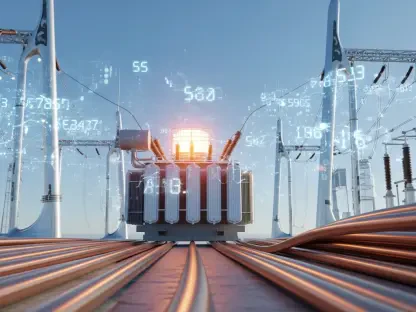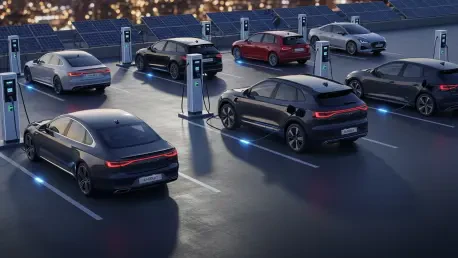

The rapid electrification of the Norwegian economy has pushed traditional infrastructure to its absolute breaking point, necessitating a radical shift in how utilities manage power flow and capacity. As the nation with the highest global penetration of electric vehicles and residential heat pumps, Norway serves as a real-time laboratory for the energy transition. Elvia, the country’s largest distribution system operator, has recognized that physical cables alone can no longer sustain this surge in demand. By partnering with Siemens, Elvia is transitioning from legacy analog methods to a sophisticated, data-driven operational model that prioritizes software over hardware.
This transformation is not merely a technical upgrade but a strategic move toward a software-defined power grid. Historically, distribution networks operated as static systems with limited visibility into local consumption patterns. However, the push for national carbon neutrality requires a grid that is both flexible and intelligent. Elvia’s adoption of digital twin technology allows the company to simulate and manage the grid in a virtual environment, providing the necessary foundation for a decarbonized energy landscape.
Strategic Drivers and Market Projections for Digital Utility Transformation
Accelerating Decarbonization via Gridscale X and Low-Voltage Transparency
The modern energy market is witnessing a surge in Distributed Energy Resources as prosumers—consumers who also produce electricity—integrate solar panels and wind turbines into the local network. This decentralized production introduces volatility that traditional grid models were never designed to handle. To combat this, Elvia implemented Siemens’ Gridscale X LV Insights, a solution that transforms previously dark low-voltage networks into transparent, actionable data streams. This visibility allows operators to understand exactly where power is being generated and consumed at any given moment.
By illuminating these black box segments of the grid, Elvia can better integrate renewable sources without compromising system stability. Real-time data feeds enable the operator to anticipate surges and balance loads effectively. Consequently, the utility can accommodate more green energy and electric vehicle charging stations, directly supporting the broader societal shift toward sustainable living and reduced carbon footprints.
Benchmarking Economic Efficiency and Scalable Growth in the Energy Sector
From a financial perspective, the move toward digital twins is driven by the need to optimize capital expenditure. Market projections indicate that the digital twin sector will continue to expand as utilities seek to postpone expensive physical infrastructure build-outs. By using software to squeeze more capacity out of existing assets, Elvia can delay the digging of trenches and the laying of new cables. This optimization ensures that every dollar spent on infrastructure is backed by precise data rather than conservative estimates.
Furthermore, cloud-scalable solutions provide a framework for long-term operational resilience and sustainable investment. As the energy sector evolves, the ability to scale digital tools without significant additional overhead becomes a competitive advantage. Performance indicators now focus on asset longevity and the ability to maintain service quality during peak loads, proving that digital transparency is a more cost-effective strategy than traditional expansion.
Overcoming the Complexities of High-Density Electrification and Infrastructure Limits
Managing the world’s most concentrated population of electric vehicles presents unique technical hurdles that defy conventional engineering solutions. The sudden spike in demand when thousands of EVs plug in simultaneously can overwhelm local transformers and lead to localized outages. Elvia has addressed these infrastructure limits by moving away from reactive fault correction. Instead of waiting for a customer to call about a blackout, the digital twin allows for proactive monitoring and automated outage handling.
To achieve this level of sophistication, Elvia had to break down internal data silos that previously isolated information within specific departments. By creating a unified grid model, the company ensures that planners, operators, and maintenance teams all work from a single source of truth. This integration bridges the gap between traditional capacity and the exponential rise in demand, allowing the utility to navigate the complexities of a high-density electrified society with precision.
Navigating the Regulatory Framework for Resilient and Secure Power Distribution
Regulatory environments in Norway and across Europe are increasingly mandating greater grid transparency and the seamless integration of renewable energy. Compliance is no longer just about safety; it is about providing the data necessary to prove grid stability in a rapidly changing market. Elvia must balance these transparency requirements with the rigorous security standards necessary to protect critical infrastructure from cyber threats. Utilizing a cloud-based environment through Siemens ensures that these security protocols are updated in real time.
Moreover, regulatory incentives are shifting to favor smart grid technologies over traditional copper-and-iron investments. Interoperability between different systems, such as Elvia’s existing Spectrum Power 7 ADMS and the new digital twin, is essential for meeting these legal standards. By aligning their digital strategy with government mandates, Elvia ensures that their distribution system remains resilient, secure, and fully compliant with the evolving energy laws of the Nordic region.
The Next Frontier: Scaling Autonomous Grid Management and AI Integration
Looking ahead, the evolution of grid management will likely lean toward autonomous load balancing and predictive modeling. Digital twins are becoming more sophisticated, incorporating artificial intelligence to refine grid model maintenance and investment precision. This shift will allow systems to heal themselves by automatically rerouting power during failures or adjusting loads based on weather forecasts. These advancements are necessary as large-scale battery storage and peer-to-peer energy trading become more common in the consumer market.
Market disruptors like decentralized storage will require even more granular control over the distribution network. Artificial intelligence can process the massive amounts of data generated by smart meters and sensors to provide insights that human operators might miss. As utilities move toward fully integrated, self-healing networks, the role of machine learning will be central in maintaining the delicate balance between supply and demand in an increasingly complex energy ecosystem.
Synthesizing the Strategic Impact of Elvia’s Digital Transformation
The implementation of Siemens’ digital twin technology provided Elvia with the tools necessary to maintain stability within a high-density electrified environment. By prioritizing digital transparency, the operator successfully maximized the utility of its existing assets while improving customer service through automated fault detection. This transition moved the organization away from a reactive posture, establishing a proactive framework that favored data-driven decisions over guesswork. The project demonstrated that software-led modernization is the most viable path for utilities facing rapid increases in demand from electric vehicles and renewable production.
Ultimately, the shift toward a unified grid model broke down organizational barriers and streamlined operations across the board. Investment strategies became more precise, allowing for the postponement of heavy physical construction in favor of intelligent capacity management. This approach secured a more reliable and sustainable energy future for the region by ensuring the grid could handle the complexities of modern prosumer behavior. The success of this initiative served as a blueprint for other global operators looking to navigate the challenges of the energy transition through digital innovation.