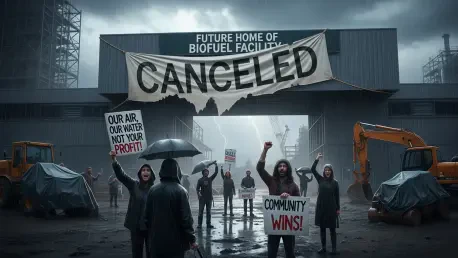

A highly contentious proposal to construct a large-scale biofuel facility on Semiahmoo First Nation lands has been officially abandoned following a year of intense public opposition and the collapse of critical government support. The project, a partnership between the Semiahmoo First Nation (SFN) and renewable energy company Taurus RNG, was envisioned as a landmark achievement in sustainable technology, promising to convert tens of thousands of tons of organic waste into clean energy. However, from its inception in mid-2023, the plan was met with a groundswell of resistance from South Surrey residents who raised alarms about potential environmental degradation, health risks, and a decline in their quality of life. This clash between industrial-scale green ambition and local community interests created a deadlock that ultimately proved insurmountable for the project’s developers. The recent confirmation of the plant’s cancellation marks the definitive conclusion to a heated debate that pitted the promise of renewable energy and economic opportunity against the powerful voice of a determined local community.
The Rise and Fall of a Green Initiative
A Vision for Sustainability Meets Local Resistance
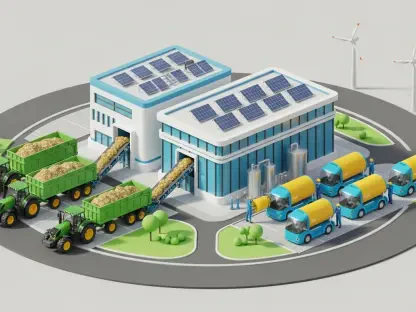
The proponents of the biofuel plant, led by the Semiahmoo First Nation and Taurus RNG, presented the project as a vital step toward regional environmental stewardship and economic self-sufficiency. At its core, the facility was designed to divert approximately 70,000 tons of organic waste from local landfills annually, a significant volume that would otherwise contribute to methane emissions. Through a process of anaerobic digestion, this organic material was to be converted into renewable natural gas (RNG), a clean-burning fuel that could be injected into the existing natural gas grid. This process was projected to eliminate an estimated 55,000 tons of greenhouse gas emissions each year. In public statements made in late 2023, SFN Chief Harley Chappell framed the initiative as a move toward “true sustainability,” emphasizing the dual benefits of environmental protection and economic empowerment for the Nation. The project promised not only a new revenue stream but also the creation of local jobs, positioning the SFN as a leader in the growing green energy sector and offering a tangible solution to the region’s mounting waste management challenges.
Community Concerns Reach a Boiling Point
In stark contrast to the optimistic vision put forth by its developers, the biofuel plant proposal triggered immediate and widespread alarm among residents of the surrounding South Surrey communities. An opposition group, the Clean Air Alliance, quickly formed and became a focal point for organizing resistance. Their concerns were not abstract but centered on tangible, daily impacts. Chief among these was the fear of pervasive and noxious odors, a common issue with large-scale organic processing facilities, which residents worried would blanket their neighborhoods and diminish their quality of life. Furthermore, the logistics of transporting 70,000 tons of organic waste to the site annually raised serious concerns about a dramatic increase in heavy truck traffic on local roads, leading to noise pollution, safety hazards, and accelerated road wear. Potential air pollutants from the facility’s operations and the associated health risks were also a significant point of contention, alongside anxieties that the industrial nature of the plant would lead to a devaluation of local property. For these residents, the project’s purported environmental benefits were overshadowed by the direct and negative consequences they anticipated for their community.
The Unraveling of a Major Project
Critical Setbacks and Financial Fallout
The project’s momentum began to seriously falter in early 2024, when it suffered two critical and ultimately fatal blows that undermined its viability from both a financial and regulatory standpoint. The first major setback occurred in February, when Natural Resources Canada announced the withdrawal of $14.4 million in committed federal funding. This decision not only created a massive financial hole for the developers but also served as a powerful symbolic blow, signaling a loss of confidence in the project at the national level. Just one month later, the initiative faced a second crippling obstacle. Metro Vancouver, the regional governing body responsible for air quality regulation, officially paused the project’s air-permit application. The regulatory body stated that it required the submission of additional, more detailed technical information before the review process could continue. This indefinite halt effectively stalled the project’s progress, leaving it mired in regulatory uncertainty. The combined impact of losing substantial government funding and facing an impassable regulatory hurdle created an environment in which moving forward became practically impossible for the proponents.
A New Direction and a Concluded Campaign
The final chapter of the biofuel plant controversy was written not by the developers but by the opposition group that had fought it from the start. The Clean Air Alliance announced that it had received confirmation from SFN Chief Harley Chappell that the project was officially shelved. In its place, the Semiahmoo First Nation was reportedly shifting its focus to prioritize much-needed housing development on the land, signaling a significant change in its strategic vision for the property. With its primary objective accomplished, the Clean Air Alliance formally disbanded. In a final act of community-focused environmentalism, the group donated its remaining funds, which totaled more than $7,800, to two established environmental charities. The outcome represented a decisive victory for the grassroots movement, underscoring the formidable power of organized public opposition in shaping local development. The cancellation left a lasting legacy, serving as a powerful case study on the critical need for developers to secure genuine community consent before embarking on large-scale industrial projects, even those pursued under the banner of sustainability.