
A landmark agreement between one of the Middle East’s largest clean energy investors and a European utility titan signals a seismic shift in how the continent plans to underwrite its renewable energy future. As Europe pushes aggressively toward decarbonization, the continent’s power grids are confronting their greatest vulnerability: the unpredictable nature of wind and solar energy. This challenge has opened the door for a new era of international cooperation, one where traditional energy capitals are redeploying their resources to build the essential infrastructure for a post-fossil fuel world. At the heart of this transformation is a strategic partnership poised to deploy the very technology needed to keep the lights on.
The New Power Couple: Forging a UAE-German Energy Axis
A pivotal new alliance has emerged between Abu Dhabi’s Masdar and Germany’s RWE, solidified by a Memorandum of Understanding designed to fast-track the deployment of critical energy infrastructure across Europe. This strategic partnership moves beyond simple energy trade, establishing a collaborative framework for investment and development aimed directly at solving the continent’s most pressing grid stability issues. The agreement represents a powerful convergence of capital from a global clean energy leader and the technical expertise of one of Europe’s foremost utility companies.
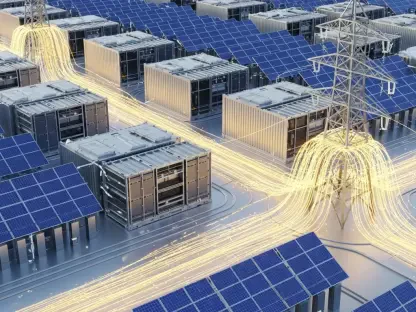
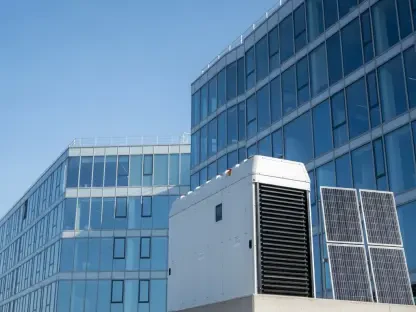
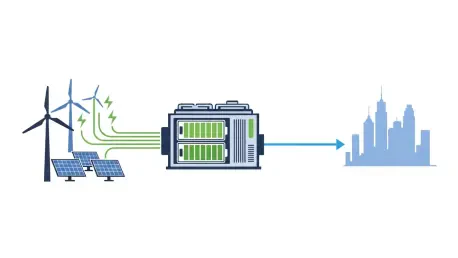
Central to this collaboration is the deployment of Battery Energy Storage Systems (BESS). These large-scale batteries are the linchpin for a modern, renewables-based power system. By capturing excess energy generated when the sun is shining or the wind is blowing and releasing it during periods of high demand or low generation, BESS technology provides the grid stability that was once the exclusive domain of fossil fuel power plants. This function is essential for ensuring a reliable and affordable electricity supply for homes, businesses, and the burgeoning demands of data centers and electric vehicle charging networks.
The players involved are heavyweights in the global energy transition. Masdar, the UAE’s flagship renewable energy company, has rapidly expanded its international footprint, positioning itself as a key financier and developer of clean energy projects worldwide. RWE, a German energy giant, brings extensive experience in developing, constructing, and operating large-scale energy assets across Europe. Their joint focus begins with the German market, the continent’s largest economy, with plans to expand their BESS initiatives across Europe, creating a formidable force for decarbonization.
Riding the Green Wave: Trends and Projections Shaping the Partnership
From Oil Barons to Green Titans: The New Geopolitics of Energy
This partnership is indicative of a profound strategic pivot occurring within the global energy landscape, where traditional oil and gas producers are aggressively diversifying their portfolios into clean technology. The United Arab Emirates, through entities like Masdar, is at the forefront of this movement, transforming its role from a fossil fuel exporter to a global investor in renewable energy infrastructure. This shift is reshaping international energy relations, creating new alliances built on shared decarbonization goals rather than hydrocarbon extraction.
The mainstreaming of energy storage marks another critical trend underpinning this agreement. What was once considered a niche or auxiliary technology is now recognized as a fundamental component of energy security. The successful integration of vast amounts of intermittent wind and solar power is contingent upon the availability of large-scale storage capacity. Consequently, investments in BESS are surging as utilities and governments acknowledge that a stable, renewables-powered grid is impossible without it.
A 2-Gigawatt Ambition: Sizing Up the Investment and Impact
The agreement between Masdar and RWE is not merely symbolic; it comes with ambitious and specific targets that underscore its significance. The initial phase of the partnership aims to install a combined BESS capacity of 1 gigawatt (GW) in Germany by 2030, with a further goal of jointly developing an additional 1 GW of new projects by 2035. This 2 GW target represents a substantial contribution to the grid stability required to support Germany’s ambitious energy transition goals.
These figures also fit into a much larger global strategy for Masdar, which is pursuing a target of a 100 GW global project portfolio by 2030. The RWE partnership positions Germany as a cornerstone market for achieving this goal, demonstrating the strategic importance of established European economies in the UAE’s clean energy investment strategy. The scale of this commitment signals a strong market confidence in the long-term viability and necessity of energy storage in Europe.
From Blueprint to Megawatts: Hurdles on the Road to Implementation
At its core, the alliance is designed to tackle the intermittency challenge—the simple fact that renewable energy sources do not generate power around the clock. This variability creates significant operational difficulties for grid operators, who must maintain a constant balance between electricity supply and demand. By providing a dispatchable source of stored energy, BESS directly addresses this problem, but deploying it at the gigawatt scale presents its own set of technical and logistical challenges.
Furthermore, translating a Memorandum of Understanding into operational assets requires navigating significant complexities. While the handshake signifies a powerful commitment, the next steps involve finalizing detailed investment agreements, securing project financing, and establishing concrete construction timelines. Each of these stages involves intricate negotiations and planning to ensure the projects are commercially viable and delivered on schedule, transforming the blueprint into functioning megawatts on the grid.
Scaling up deployment to the levels envisioned by Masdar and RWE will also exert considerable pressure on global supply chains. The manufacturing of large-scale batteries relies on the sourcing of critical minerals like lithium and cobalt, and the construction of these facilities demands a specialized workforce and sophisticated logistics. Successfully managing these supply chain dynamics and construction logistics will be crucial to avoiding delays and cost overruns on the path to realizing their 2 GW ambition.
Navigating the Policy Maze: The Regulatory Framework for Success
The Masdar-RWE alliance does not operate in a vacuum; it is situated within the comprehensive policy framework of the European Green Deal. This overarching strategy provides the political momentum and regulatory certainty needed for large-scale investments in decarbonization. The EU’s mandate for grid modernization and increased renewable energy integration creates a fertile ground for BESS projects, which are essential for meeting these ambitious targets.
To complement these broad directives, national governments are implementing specific incentives and support mechanisms to foster a favorable investment climate. Germany’s energy transition framework, for instance, includes policies designed to encourage the development of storage solutions that enhance grid flexibility. Such governmental support is often the deciding factor for investors, as it helps de-risk capital-intensive infrastructure projects and ensures their long-term financial sustainability.
This partnership can also draw lessons from past successes in navigating complex regulatory environments. The previous collaboration between Masdar and RWE on the Dogger Bank South offshore wind project in the UK provides a powerful precedent. That project was successfully secured under the UK’s “contracts for difference” scheme, a model of public-private partnership that provides revenue stability. This experience offers a valuable template for structuring BESS projects within European regulatory frameworks.
A Glimpse into the Future: The Evolving Energy Landscape
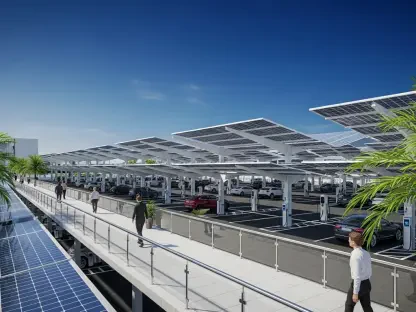
The large-scale deployment of energy storage envisioned by this partnership is set to build a far more resilient and flexible European power grid. A robust grid is not just about keeping the lights on; it is about creating a platform capable of supporting the next wave of electrification. This includes accommodating the immense energy demands of new data centers and the widespread adoption of EV charging networks, both of which require a stable and responsive power supply.
This alliance also serves as a potential blueprint for future global collaborations aimed at accelerating the green transition. It demonstrates a replicable model where energy-rich nations with significant investment capital partner with technology and market leaders to deploy clean energy infrastructure where it is needed most. Such cross-border partnerships will likely become increasingly common as countries work to meet their climate goals.
Ultimately, the success of this large-scale BESS deployment could unlock a new frontier of renewable energy development across Europe. By proving the commercial and technical viability of a grid heavily reliant on storage, this venture could de-risk future investments in even larger wind and solar projects. A stable and flexible grid gives developers the confidence to build next-generation renewable assets, knowing that the infrastructure exists to support them.
The Final Verdict: A Powerful Alliance for a Greener Europe
This agreement solidifies a critical energy relationship between the UAE and Germany, creating a formidable new axis for driving European decarbonization forward. By combining Masdar’s investment power with RWE’s operational expertise, the partnership establishes a clear and actionable path toward enhancing the stability of the continent’s power grid. This collaboration moves beyond rhetoric, signaling a hands-on approach to building the necessary infrastructure for a net-zero future.
The Memorandum of Understanding represents a decisive and necessary commitment to energy storage. While specific project details and final investment decisions are still pending, the sheer scale of the ambition—targeting 2 GW of capacity—confirms that BESS is now a central pillar of Europe’s energy strategy. This marks a firm recognition from major industry players that a clean energy future is entirely dependent on the ability to store and dispatch renewable power on demand.
For stakeholders and market observers, this alliance serves as a key indicator of the accelerating momentum in Europe’s energy storage sector. It highlights the growing investment potential and signals that the market is maturing rapidly. The partnership between Masdar and RWE is not just a major business deal; it is a foundational investment in the future of a greener, more resilient, and more secure European energy landscape.