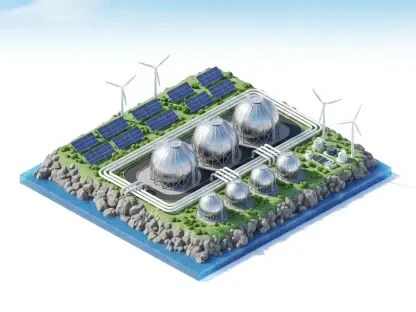

As the United States experienced a significant 3.1% surge in electricity demand in 2025, a profound shift in the nation’s energy landscape became clear, with solar power stepping into the spotlight as the primary force meeting this new consumption. A recent analysis of the U.S. energy sector reveals that solar generation, bolstered by an unprecedented expansion in battery storage, is no longer just a supplemental green energy source but a foundational pillar of the country’s power strategy. This transition marks a critical turning point, demonstrating solar’s capacity not only to keep pace with but also to lead the charge in powering America’s future. The data from last year provides a compelling narrative of how solar energy is rapidly evolving from a niche market into a mainstream powerhouse, fundamentally reshaping how the nation generates and consumes electricity on a grand scale.
A Dominant Force in a Growing Grid
In an impressive display of its growing influence, solar energy satisfied nearly two-thirds of the nation’s increased electricity demand in 2025. This achievement was fueled by a remarkable 27% jump in solar generation from the previous year, an addition of 83 terawatt-hours (TWh) to the grid. Consequently, solar power’s total contribution to the U.S. electricity mix rose to a new high of 8.5%, a significant milestone in its journey toward becoming a primary energy source. This growth wasn’t just a statistical anomaly; it represented a fundamental shift in how the country’s energy needs are being met. The rapid scaling of solar generation directly addressed the rising demand, proving its capability to perform as a reliable and substantial component of the national power infrastructure and effectively moving it from the periphery to the center of the energy discussion.
The impact of this solar expansion was particularly pronounced in regions experiencing the highest growth in energy consumption, showcasing its targeted effectiveness. In high-demand states like Texas and across the Midwest, solar installations met an astonishing 81% of all new electricity needs, demonstrating their crucial role in maintaining grid stability during periods of peak growth. Meanwhile, in Florida, the proliferation of solar power was so substantial that its output not only covered the state’s entire increase in demand but also began to displace existing fossil fuel generation. This development highlights a pivotal transition where solar energy is not merely an additive resource but a competitive force capable of actively reducing reliance on conventional power plants, thereby reshaping regional energy markets and accelerating the move toward a cleaner grid.
The Synergy of Solar and Storage
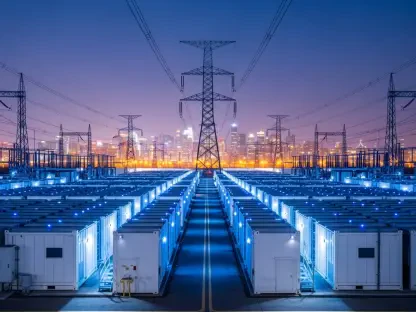
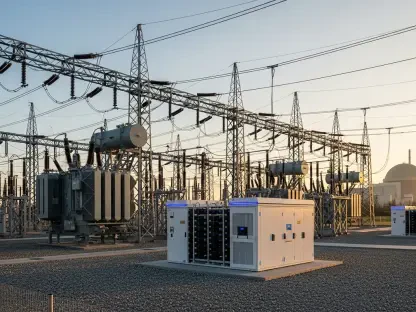
The transformative impact of solar power in 2025 was inextricably linked to the concurrent revolution in battery storage technology. With battery capacity additions soaring by an incredible 133% to reach 26 gigawatts (GW), the energy sector witnessed a paradigm shift in how solar energy is utilized. This expansion effectively untethered solar from its traditional limitation of daylight-only generation, allowing it to become a dispatchable, all-day power source. In California, a forerunner in this trend, the majority of new solar energy generated is now being stored in batteries and strategically dispatched during the evening hours when demand peaks and the sun is no longer shining. This synergy between solar generation and energy storage is fundamentally altering grid management by providing a reliable and consistent power supply that challenges the intermittency issues once seen as a major barrier to widespread renewable adoption.
This powerful combination of solar generation and advanced battery storage has enabled solar to meet 100% of the increase in daytime electricity demand across the nation, a feat that underscores its dominance during peak production hours. More importantly, it has begun to make significant inroads into covering evening demand growth as well. As batteries charge with excess solar power during the day, they can release that stored energy back into the grid after sunset, smoothing out the daily energy supply curve and reducing the need for traditional “peaker” plants that are often powered by fossil fuels. This capability marks a crucial step forward, proving that the solar-plus-storage model can provide a comprehensive solution to meet the country’s fluctuating energy needs around the clock and pave the way for a more resilient and sustainable power system.
Overcoming Obstacles on the Path Forward
Despite the remarkable progress seen in 2025, the solar sector’s expansion was not without its challenges, indicating that the path to full-scale adoption requires navigating significant hurdles. New utility-scale solar capacity additions actually experienced a 6% decrease compared to the previous year. This slowdown was largely attributed to persistent project delays stemming from tariff uncertainty, which created financial unpredictability for developers, and extensive waits for grid connection approvals, which have become a major bottleneck in the deployment pipeline. Concurrently, the residential solar market showed signs of cooling, most notably in California, following regulatory changes to net metering rules that altered the financial incentives for homeowners. These combined factors underscore the reality that while the potential for solar is immense, its growth trajectory is sensitive to policy, regulatory frameworks, and infrastructure limitations that must be addressed to maintain momentum.
A Future Powered by the Sun
The analysis of the 2025 energy landscape presented a clear verdict: while solar power had made unprecedented strides, its journey was still in its early stages across much of the country, with 37 states having a solar share below 10%. However, the challenges encountered, such as regulatory hurdles and grid interconnection delays, were identified not as insurmountable barriers but as areas requiring focused policy and investment. The continued decline in solar technology costs, coupled with the rapid expansion of battery storage, had firmly established a viable pathway for solar to meet 100% of future demand growth. The successes in states like California, Texas, and Florida served as a powerful proof of concept, demonstrating that with strategic planning and supportive infrastructure, a solar-powered future was not just a possibility but an achievable reality for the entire nation.