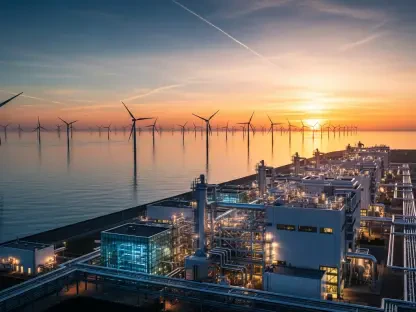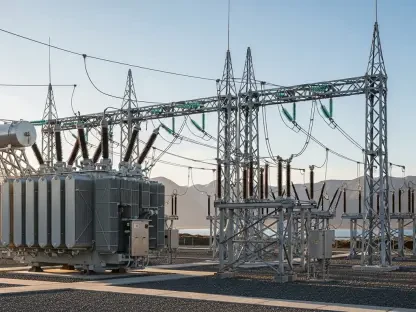

The global push toward a sustainable future is accelerating at a breathtaking pace, with projections indicating that renewable energy capacity could triple by 2035, a monumental shift that places unprecedented strain on the world’s aging electrical infrastructure. This rapid expansion creates a severe structural mismatch, as the very networks designed to deliver this clean power are struggling to keep up. According to analysis from industry leaders like Siemens Chile CEO Christian Candela, meeting this demand would necessitate a near doubling of existing transmission and distribution systems. However, the stark reality is that the traditional approach of physical expansion is dangerously slow; the 10-to-12-year timeline required to plan and construct a single major transmission line is simply too long to support the speed of the energy transition. This critical lag time creates a ticking clock, forcing a fundamental reevaluation of how power systems must be planned, operated, and modernized to avoid catastrophic instability and ensure a reliable energy future.
The Digital Imperative for a Modern Grid
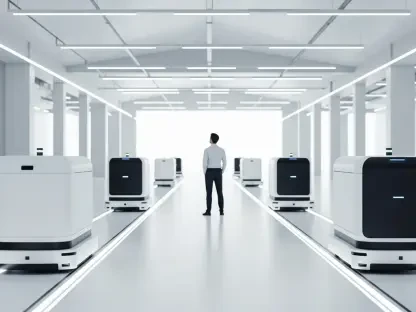
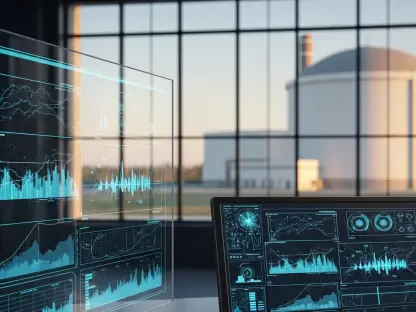
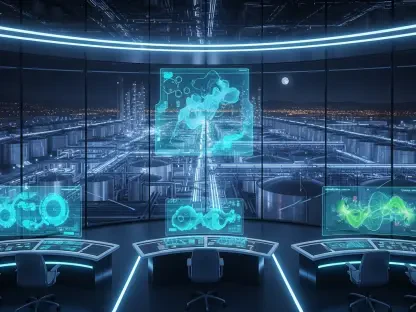
Confronted with the inadequacy of conventional expansion, a new consensus is emerging that prioritizes intelligence over infrastructure and optimization over construction. In the short and medium term, the most viable path to ensuring the grid’s safe and reliable operation is a paradigm shift away from a singular focus on new physical assets. Instead, the emphasis must be on maximizing the efficiency, resilience, and operational capacity of the existing network through the rapid deployment of digital grid technologies. This transformation involves integrating advanced solutions such as Artificial Intelligence (AI), predictive control systems, and digital substations to create a smarter, more responsive grid. AI-based energy management systems, exemplified by platforms like the Siemens Xcelerator, are becoming central to this effort, enabling utilities to analyze vast datasets in real time, anticipate fluctuations, and automate complex decision-making processes to maintain stability in a highly dynamic environment.
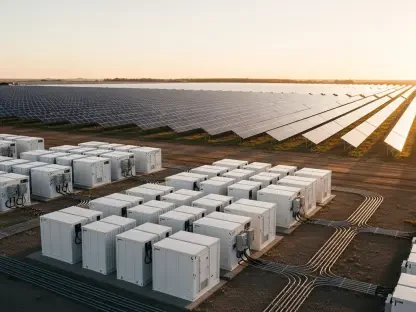
Central to this digital evolution is the dramatic expansion of energy storage, which serves as a critical buffer against the inherent variability of renewable sources like solar and wind. The scale of this trend is immense, with projections showing a potential tenfold increase in installed storage capacity to over 40 gigawatt-hours (GWh) by 2027. This surge in battery capacity is not merely about storing excess power for later use; it represents a fundamental tool for active grid management. Advanced storage systems, governed by sophisticated control software, can instantaneously inject or absorb power to balance supply and demand, regulate frequency, and prevent blackouts. By transforming intermittent renewable generation into a more dispatchable and reliable resource, energy storage provides the operational flexibility necessary to integrate vast amounts of clean energy without compromising the stability of the entire electrical system, making it an indispensable component of the modern grid.
Navigating Decentralization and Security
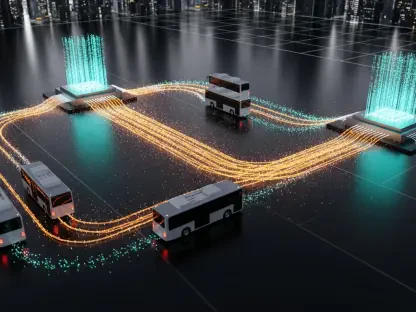
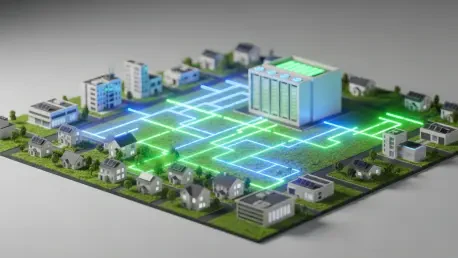
Simultaneously, the traditional, centralized model of power generation is being upended by a powerful trend toward decentralization. Driven by a desire for energy autonomy and enhanced resilience, large consumers and communities are increasingly investing in microgrids and Distributed Energy Systems (DES). These systems integrate local generation, such as rooftop solar panels, with on-site energy storage and intelligent control platforms, creating self-sufficient energy islands that can operate independently or in conjunction with the main grid. This proliferation of distributed assets creates a far more complex, bi-directional flow of energy that legacy utility systems were never designed to handle. To manage this new reality, utilities are rapidly adopting advanced Distributed Management Systems (DMS). These platforms provide the visibility and control needed to seamlessly integrate thousands of distributed resources, actively manage local demand, and perform predictive maintenance to ensure the reliability of this increasingly complex network.
As the electricity system becomes profoundly interconnected and reliant on digital technologies, cybersecurity has transitioned from a background concern into a non-negotiable strategic priority. The vast network of sensors, automated controls, and data platforms that enables a smart grid also creates a significantly larger attack surface for malicious actors. A single breach could have cascading effects, disrupting power for millions and compromising critical infrastructure. Consequently, a robust, end-to-end security approach is imperative for ensuring operational resilience. This involves more than just firewalls; it requires a multi-layered strategy that combines advanced process automation for threat detection with hardened protections for every component of the grid, from generation facilities to substations and control centers. In this new era, the physical integrity of the grid is inextricably linked to its digital security, making cybersecurity a foundational pillar of the entire energy transition.
A Future Forged in Data, Not Just Steel
Ultimately, the successful navigation of the energy transition depended less on the physical construction of new power lines and more on the intelligent, automated, and secure management of an increasingly complex digital grid. The challenge demanded a fundamental change in perspective from utilities, regulators, and policymakers, who had to move beyond decades-old models of centralized control and slow-paced infrastructure development. The path forward was paved with a commitment to leveraging data analytics, embracing process automation, and establishing a resilient digital foundation as the core of the modern power system. This evolution was not simply about adding new technology; it required a complete re-architecting of how energy was generated, distributed, and consumed. The survival and stability of the future grid were secured by recognizing that its strength lay not only in its steel towers but in the sophisticated intelligence that governed them.