
Europe’s ambitious vision for a decarbonized shipping industry, a cornerstone of its climate strategy, is confronting a formidable obstacle rooted not at sea, but on land within a fragile and critically underdeveloped alternative fuel supply chain. A recent analysis has cast a harsh light on the significant gap between the continent’s green maritime goals and its current capacity to produce the necessary e-fuels, such as green hydrogen and its derivatives. This production shortfall threatens to undermine regulatory targets and leaves the shipping sector, a vital artery of global trade, tethered to fossil fuels for the foreseeable future. The challenge is no longer merely one of technological innovation or vessel design; it has become a fundamental question of industrial capacity and investment, forcing policymakers and industry leaders to re-evaluate whether the existing framework is sufficient to power this essential transition.
The Production Bottleneck and Investment Gap
A comprehensive review of eighty green hydrogen and e-fuel projects across Europe reveals a sobering reality behind the continent’s decarbonization ambitions. While these initiatives collectively project a potential output of 3.6 million tonnes of oil equivalent by 2032, the data shows a stark misalignment with the needs of the maritime sector. According to an analysis by Transport & Environment (T&E), less than five percent of these projects are primarily dedicated to shipping, and an alarmingly small fraction have progressed beyond the planning stage to become operational. This immense gap between potential and actual production means Europe is on a trajectory to miss its own binding targets set by the FuelEU Maritime regulation. The mandate, which requires a minimum of one percent e-fuel uptake by 2031 and a subsequent increase to two percent by 2034, now appears increasingly unattainable without a drastic and immediate acceleration of the green fuel supply chain.
The primary impediment to scaling up e-fuel production is a pervasive atmosphere of regulatory uncertainty that has left many promising projects stalled and investors hesitant. The current policy landscape, including existing decarbonization targets for the shipping industry, is perceived as lacking the ambition needed to generate a powerful and consistent demand signal. Without firm, long-term offtake agreements, which are difficult to secure in a fluctuating policy environment, developers cannot obtain the financial backing required for these capital-intensive projects. To successfully bridge this gap and meet its established goals, Europe needs to mobilize an estimated $120 billion in investments by the year 2035. This financial chasm highlights the critical need for a more robust and predictable regulatory framework that can de-risk investments and assure fuel producers of a stable market for their products, thereby unlocking the private capital essential for this green transition.
Policy Levers and Pioneering Efforts
In response to the growing investment shortfall, the European Commission has introduced its Sustainable Transport Investment Plan (STIP), a framework intended to channel capital toward green infrastructure. While this initiative represents a positive step, concerns have been raised that its reliance on existing financial instruments, such as competitive auctions and innovation funds, may not be potent enough to catalyze the rapid, large-scale development required. These mechanisms often favor more mature technologies and may not adequately support the pioneering, first-of-a-kind e-fuel production facilities that carry higher initial risks. The analysis by T&E underscores a critical need for more direct public funding to supplement private sector investment. Such direct support would serve to de-risk these groundbreaking projects, ensuring that the most innovative and impactful ventures can move from blueprint to reality, thereby building the foundational infrastructure for a truly sustainable maritime industry.
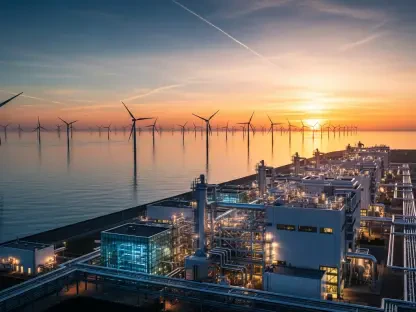
Despite the overarching challenges, pockets of significant progress have offered a glimpse into a viable green maritime future. Norway emerged as a leader in developing e-fuel production specifically for maritime use, with a strong focus on e-ammonia, while nations like Spain, Finland, and Denmark followed with their own promising projects. A standout success was the Kassø e-methanol plant in Denmark, which became operational this year and now stands as the largest e-fuel facility serving the maritime sector. Its ability to supply a major industry player like Maersk demonstrated the technical and commercial feasibility of green fuels at scale. These pioneering efforts underscored a clear path forward: for Europe to achieve its goals, it needed to replicate these successes through stronger policy incentives and direct financial support for fuel producers. This strategic approach was recognized not only as a climate imperative but also as a way to bolster the continent’s industrial leadership and reduce its long-term dependence on volatile imported fossil fuels.