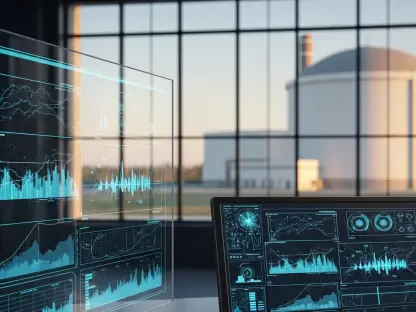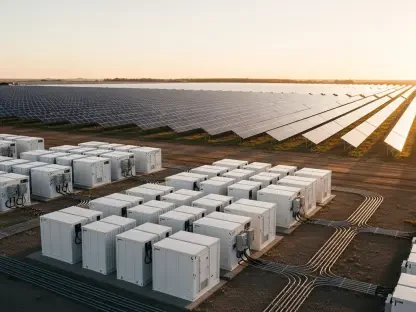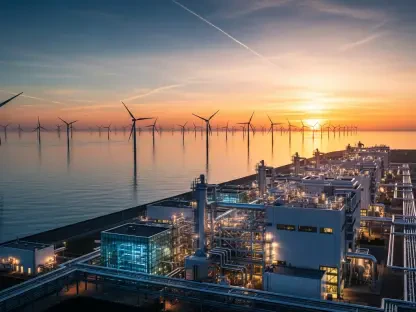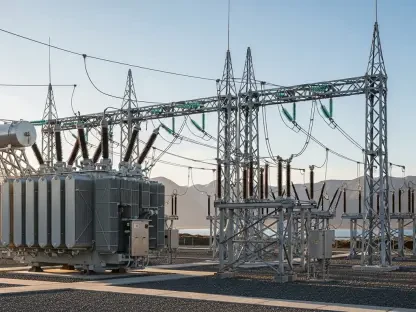

As a severe winter tightens its grip across the continent in January 2026, Europe finds itself confronting a harsh reality that extends far beyond the dropping temperatures: a critical and widening gap in its energy strategy. This “transition energy” shortfall, a chasm between the continent’s ambitious green energy goals and the practical necessity of reliable power, is exposing a fundamental vulnerability. The dual challenge of simultaneously severing dependence on Russian fossil fuels and pioneering a renewable future has created a precarious situation where the risk of energy shortages and crippling price volatility is no longer a distant threat but an immediate danger, threatening to derail economic stability and climate objectives alike. The core of the problem lies in the insufficient availability of bridge fuels, like natural gas and nuclear power, which are essential for maintaining grid stability as Europe moves away from coal and oil but are currently hampered by high costs, political opposition, and supply constraints.
The Economic Fallout of an Unstable Grid
Industrial Sector on the Brink
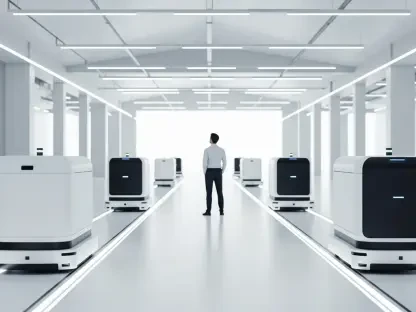
The economic consequences of this energy deficit are becoming painfully clear, particularly within Europe’s industrial heartland. In economic powerhouses like Germany and France, heavy industries that form the backbone of their economies are reeling from the impact of sustained high energy costs. Steel foundries and chemical manufacturing plants, both notoriously energy-intensive, have been forced to scale back production significantly, with some facing the prospect of indefinite shutdowns. This reduction in output is not merely a temporary adjustment; it represents a direct threat to Europe’s global competitiveness. The continent’s inability to provide affordable and reliable energy is creating a downward spiral, eroding industrial capacity, contributing to downward pressure on GDP growth, and prompting a worrying trend of businesses actively considering relocation to regions with more stable and predictable energy markets. This industrial exodus, if it accelerates, could inflict long-term damage on the European economy, leading to job losses and a diminished role in global manufacturing.
A Continent’s Competitiveness at Stake
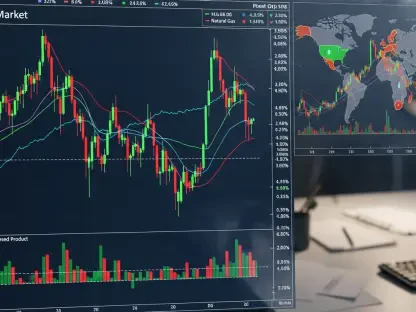
Beyond the immediate crisis in heavy industry, the persistent energy instability is casting a long shadow over the entire European economic landscape. The constant threat of price spikes and the looming possibility of rationing during periods of high demand create a climate of profound uncertainty that stifles investment and innovation. Businesses are hesitant to commit to long-term projects or expand operations when the cost and availability of their most fundamental input—energy—are in question. This environment erodes investor confidence not only in the energy sector but across the board, weakening the euro and making the continent a less attractive destination for international capital. As other global economies capitalize on more secure energy supplies to power their growth, Europe risks being left behind, its economic dynamism hobbled by an energy policy that has failed to adequately plan for the turbulent transition period between a fossil-fuel past and a renewable-powered future. The struggle to maintain a stable grid is fast becoming a struggle to maintain economic relevance.
Navigating Political Divides and Seeking Global Solutions
The Nuclear Impasse
Compounding the technical and economic challenges is a deep-seated political division within the European Union that is paralyzing effective, continent-wide solutions. The debate over nuclear power serves as the primary example of this impasse. France, with its long-standing reliance on nuclear energy, vigorously advocates for its expansion as a critical source of stable, low-carbon baseload power—an essential component for balancing the intermittent nature of wind and solar. However, this vision clashes directly with the entrenched political resistance in other member states, most notably Germany, where anti-nuclear sentiment remains a powerful force. This fundamental disagreement prevents the formulation of a cohesive and unified energy strategy, leaving the EU fragmented in its approach. While one bloc pushes for a nuclear renaissance to bridge the energy gap, another remains firmly opposed, effectively vetoing a key tool that could ensure grid stability and energy security during the decades-long transition to a fully renewable system. This political stalemate means that crucial time and resources are being lost to internal disputes rather than decisive action.
Forging a Path Forward
Amidst the internal discord and immediate pressures of dwindling energy reserves, European leaders have recognized that a viable long-term solution requires looking beyond the continent’s borders. The crisis has catalyzed a concerted effort to forge new international partnerships aimed at accelerating the development and deployment of next-generation clean energy technologies. A key focus of this diplomatic push has been the cultivation of strategic alliances with nations like India, which shares Europe’s ambition for a sustainable energy future. These collaborations are centered on co-developing and scaling up promising alternatives, with green hydrogen emerging as a particularly strong candidate to eventually replace natural gas in industrial processes and power generation. By pooling research, sharing technological expertise, and creating integrated supply chains, the hope was to build a more resilient and diversified energy system. These global partnerships represented a critical acknowledgment that the path to a secure and green energy future was not one Europe could walk alone.