
The narrative of technological advancement often runs parallel to concerns about its environmental cost, yet a powerful convergence is reshaping this dynamic as artificial intelligence steps into the role of a planetary steward. Far from being a mere tool for automation, AI is proving to be a pivotal and transformative technology essential for developing innovative solutions to pressing global challenges like climate change, resource depletion, and ecological degradation. The strategic integration of these intelligent systems into foundational sectors is not a futuristic concept but a present-day reality, steering humanity toward a more sustainable, efficient, and environmentally conscious existence. By leveraging its capacity to analyze immense datasets and identify complex patterns, AI offers a pathway to not only mitigate human impact on the planet but also to actively restore and preserve its delicate ecosystems for future generations.
AI’s Role in Revolutionizing Core Sectors
Optimizing Energy and Transportation
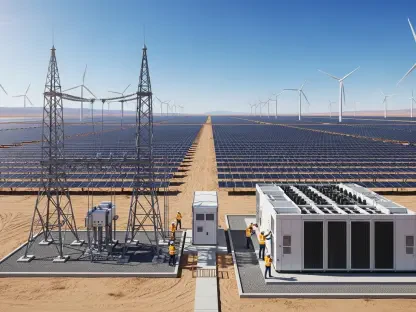
The energy sector is undergoing a profound transformation as artificial intelligence algorithms begin to optimize the entire ecosystem, particularly through the sophisticated management of smart grids. By analyzing vast datasets collected from these grids, AI systems can accurately forecast energy demand and supply dynamics with unprecedented precision. This predictive capability allows for the highly efficient allocation and utilization of resources, drastically minimizing waste and maximizing output. One of the most significant benefits is AI’s capacity to facilitate the seamless integration of intermittent renewable energy sources, such as solar and wind power, into existing national and regional power grids. By actively managing the inherent variability of these sources, AI ensures grid stability and reliability, thereby accelerating the critical transition away from a dependency on fossil fuels. This, in turn, is leading to a substantial reduction in the carbon footprint associated with global energy consumption, directly addressing a primary driver of climate change and paving the way for a cleaner energy future.
Simultaneously, transportation is another domain experiencing a fundamental shift driven by AI, with smart systems enhancing travel efficiency and sustainability. Through the continuous analysis of real-time data from a multitude of sources, including GPS, traffic sensors, and public transit systems, AI can dynamically optimize traffic flow. This capability significantly alleviates urban congestion, reduces average travel times, and consequently lowers harmful vehicle emissions. The ongoing development of autonomous vehicles, powered by sophisticated AI algorithms, represents a paradigm shift in mobility that promises to redefine urban landscapes by improving safety, increasing road capacity, and enabling more efficient, shared transportation models. By integrating these AI-driven solutions, cities are architecting more sustainable and resilient transportation networks that prioritize eco-friendly practices while improving accessibility for residents. This extends to logistics, where AI optimizes supply chains by determining the most fuel-efficient routes, drastically cutting fuel consumption and emissions from the movement of goods.
Protecting Natural Resources
The preservation of biodiversity, a cornerstone of planetary health, is being significantly bolstered by advanced AI technologies that offer powerful new tools for conservation efforts. With ecosystems facing unprecedented threats from human activities and a changing climate, machine learning models are becoming indispensable. These models can process and analyze highly complex ecological data—from high-resolution satellite imagery to vast sensor networks and drone footage—to monitor habitats and track the movement and population dynamics of endangered species. They excel at identifying subtle patterns and predicting future ecological shifts, providing conservationists with invaluable, actionable insights for targeted habitat preservation and species protection. By harnessing the analytical power of AI, scientists and conservation organizations can devise more effective strategies to safeguard biodiversity, protect vulnerable wildlife, and maintain the delicate equilibrium of natural ecosystems, especially in regions under severe pressure from industrial development and climate-related events.
Intelligent water management has been identified as another critical area where AI delivers substantial benefits, particularly as global water scarcity intensifies into an urgent crisis. AI technologies, when combined with the Internet of Things (IoT), significantly enhance the monitoring and management of water resources through intelligent data processing and predictive analytics. These AI-powered systems can streamline the entire water distribution process by continuously monitoring sources, accurately predicting demand, and identifying leaks or inefficiencies within the infrastructure in real time. Utilizing a network of sensors and advanced algorithms, water utilities can operate their distribution systems with far greater effectiveness, ensuring that clean water is delivered reliably to communities while minimizing waste from leakages and inefficient usage. This optimized approach is crucial for conserving a precious resource and mitigating the impacts of water scarcity on millions of people worldwide. This same data-driven precision is also revolutionizing agriculture, enabling farmers to apply resources like water and fertilizers exactly where needed, maximizing yields while minimizing environmental impact.
The Broader Impact and Human Element
Advancing Research and Global Collaboration
Beyond these specific applications, artificial intelligence is having a profound systemic impact on environmental research by enabling the development of highly sophisticated climate models. These advanced models can simulate complex environmental systems with a degree of accuracy previously unattainable, allowing scientists to predict the long-term impacts of various environmental interventions and policy choices. For governments and international organizations, this capability is invaluable. It provides the critical data needed to craft effective, evidence-based climate change agendas and promote sustainable practices on a global scale. By running complex scenarios, these AI-driven simulations offer deeper insights into the intricate feedback loops that govern our planet’s climate, empowering decision-makers to anticipate challenges and implement proactive strategies rather than reactive ones. This advancement is fundamental to navigating the complexities of environmental stewardship in an increasingly uncertain world.
However, the successful deployment of these technologies is contingent upon several crucial enabling factors that are distinctly human. Public awareness, trust, and acceptance are paramount for the widespread adoption of AI-driven sustainability solutions. Comprehensive educational initiatives that clearly communicate the tangible benefits of AI can foster a more informed and supportive society, which is essential for long-term success. Furthermore, robust collaboration between the public and private sectors is necessary to drive innovation while simultaneously advocating for responsible and ethical AI development. On a global scale, international partnerships are vital. Because environmental challenges like climate change and biodiversity loss transcend national borders, a collective approach is non-negotiable. By sharing data, resources, and best practices, nations can collaboratively address these issues and adapt AI-driven sustainability initiatives to their unique local contexts, ensuring that progress is both global in scope and local in application.
Navigating Ethical Challenges
As society moves further into an AI-dominated era, it has become imperative to ensure that these powerful systems are designed and deployed with fairness, equity, and transparency at their core. It is essential to proactively identify and mitigate biases that may exist within AI algorithms to prevent them from perpetuating or even exacerbating discrimination against marginalized communities. For example, an AI system designed to optimize urban resource distribution could inadvertently neglect underserved neighborhoods if its training data reflects historical inequalities. Therefore, a commitment to ethical design requires rigorous testing, diverse development teams, and transparent decision-making processes. Establishing clear standards for accountability is critical, ensuring that the benefits of AI-driven environmental solutions are distributed justly and that technological advancement does not come at the cost of social equity. Prioritizing these considerations is fundamental to building a technological future that is not only greener but also more inclusive.
Moreover, the widespread data collection required for these intelligent systems raises significant privacy concerns that must be addressed through strong regulations and unwavering ethical guidelines. In order to build and maintain public trust, it is crucial that personal and community data are handled with the utmost care, ensuring anonymity and security. Citizens must have confidence that the information gathered to monitor traffic flow or optimize energy consumption will not be misused or compromise their privacy. This requires the establishment of robust governance frameworks that define clear rules for data ownership, consent, and usage. By prioritizing these ethical considerations and embedding them into the architecture of AI systems from the outset, a foundation of trust can be built, allowing for the full potential of these technologies to be realized in a manner that respects individual rights and promotes collective well-being, thereby achieving a more just and sustainable technological advancement.
A Foresight-Driven Future
The choices made regarding the development and governance of artificial intelligence profoundly shaped the ecological health of the planet and the long-term well-being of humanity. Through a concerted, global commitment to ethical implementation, international cooperation, and public engagement, the immense potential of AI to revolutionize key sectors—from energy and transportation to conservation and water management—was fully realized. This technological revolution was embraced with diligence and foresight, which ensured that AI became a beacon of hope. This approach fostered a sustainable and harmonious relationship between human progress and the natural world, proving that intelligent technology, when guided by human wisdom, could be one of the most powerful tools for planetary stewardship.