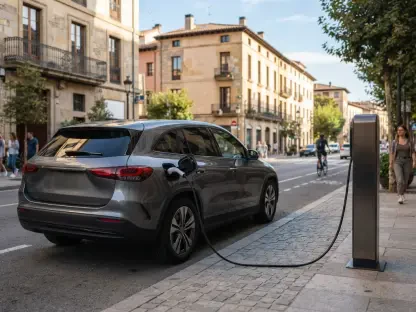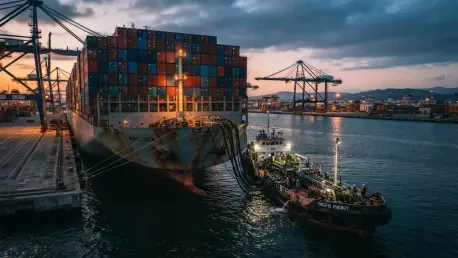

The shift toward sustainable shipping is entering a pragmatic phase where port authorities must provide clear market signals to facilitate the adoption of low-carbon energy sources. As the San Pedro Bay port complex looks to maintain its position as a global leader in maritime logistics, the ports of Los Angeles and Long Beach have published a comprehensive assessment titled “The Clean Marine Fuel Feasibility Assessment.” This document provides a data-driven roadmap for navigating the energy transition within the busiest container gateway in the United States. By analyzing the current state of technology and anticipated vessel deployments, the study identifies a clear preference for liquefied natural gas and methanol as the most viable near-term alternatives to traditional petroleum-based fuels. This strategic shift is not just about environmental compliance but about ensuring the long-term economic resilience of the region as the global shipping industry pivots toward carbon neutrality through 2030 and beyond.
Projected Market Demand and Infrastructure Adaptation
Shifting Fuel Trends: Navigating a Diversified Market
The maritime industry is currently witnessing a departure from the historical dominance of a single fuel type, moving instead toward a more complex and diversified energy landscape. According to the recent port study, shipping lines are increasingly tailoring their fuel choices to specific vessel types and operational routes rather than following a uniform standard across the fleet. With roughly 4,000 vessels calling at the San Pedro Bay ports annually, transitioning this massive fleet remains the single most critical factor in achieving the regional Clean Air Action Plan objectives. This trend is expected to accelerate through 2030, with a substantial surge in demand for alternative propulsion technologies. Specifically, the analysis projects that annual demand for liquefied natural gas could reach 115,000 metric tons, while methanol demand is expected to hit 250,000 metric tons. These projections are heavily influenced by the speed at which major carriers deploy dual-fuel vessels and evolving stringency of international regulations across trade routes.
Practical Infrastructure: Optimizing Bunkering Solutions
Adapting the existing port infrastructure to support these new fuel types requires a pragmatic approach that balances operational safety with capital efficiency. The feasibility assessment highlights that methanol possesses a distinct advantage in this regard, as its distribution and storage can often utilize existing maritime logistics networks with only minor technical modifications. In contrast, the infrastructure for liquefied natural gas requires a more specialized strategy. The report recommends against the development of massive land-based storage tanks within the port boundaries. Instead, it suggests focusing on ship-to-ship fueling operations, which leverage mobile bunkering vessels to provide the necessary flexibility for arriving container ships. This method minimizes the physical footprint on valuable port real estate while ensuring that fueling services can scale alongside the growing demand for cleaner energy without requiring the enormous upfront investments seen in previous energy transitions.
Strategic Leadership and Future Milestones
Collaborative Efforts: Establishing Green Shipping Corridors
The collaborative efforts of the leadership at the ports of Los Angeles and Long Beach are central to the success of the “Green Shipping Corridor” initiative, which seeks to establish zero-emission trade routes between major global maritime hubs. By coordinating their strategic investments based on the data provided in the feasibility assessment, these ports are signaling to the global shipping market that San Pedro Bay is ready to support the next generation of vessel technology. This unified front helps to de-risk the transition for international carriers, who require certainty regarding fuel availability before committing to multi-million dollar investments in new ship designs. The data serves as a foundation for future pilot programs and regulatory frameworks that will streamline the permitting process for alternative bunkering operations. This leadership is particularly vital for the trans-Pacific trade, where the scale of operations necessitates a highly organized and technologically advanced approach to decarbonization.
Implementation Strategies: Driving the Decarbonization Roadmap
The path toward a zero-emissions future was built upon the historical successes of the Clean Air Action Plan, which significantly reduced localized pollutants over the previous decades. The ports achieved a ninety percent reduction in diesel particulate matter and a ninety-eight percent drop in sulfur oxides, providing a strong precedent for tackling broader greenhouse gas challenges. To maintain this momentum, authorities implemented a phased approach that prioritized the early adoption of methanol through various incentives and pilot programs. They successfully leveraged the results of the feasibility assessment to launch targeted requests for proposals aimed at demonstrating commercial-scale bunkering capabilities. These actions ensured that the necessary regulatory and safety protocols were established well before the peak demand years arrived. By focusing on immediate scalability and fostering international partnerships, the San Pedro Bay complex effectively secured its role as a primary driver of sustainable innovation in the global supply chain.