
The relentless global pursuit of decarbonization is triggering a fundamental re-evaluation of national power grids, thrusting the data center industry into an uncomfortable and precarious spotlight. For decades, these digital factories operated under a simple premise: secure massive, guaranteed power contracts and consume electricity as a passive utility. That era is rapidly ending. As governments and regulators contend with the inherent intermittency of renewable energy sources, the very definition of grid access is being redrawn to prioritize public necessities. This seismic event, termed the ‘great grid reshuffle,’ shifts the primary challenge for data center operators away from merely finding power to the far more complex task of retaining that access amid escalating political pressure and fierce competition from other sectors of the economy. The once-ironclad contracts that underpinned a multi-billion dollar industry are now subject to a new reality where power is no longer just a commodity but a politicized asset.
The Rising Tide of Regulatory Intervention
The once-unshakeable power agreements that form the financial and operational bedrock of the data center industry are now facing unprecedented scrutiny from regulatory bodies. Tasked with the monumental challenge of ensuring grid stability for entire populations, these agencies are beginning to view large-scale, inflexible power consumers as significant liabilities rather than just valuable customers. This shift in perspective could usher in a new era of aggressive intervention, creating a landscape of profound operational and financial risk for any facility that fails to adapt. In this near future, operators could be subjected to sudden, forced power curtailments during grid emergencies, such as extreme weather events or unexpected generation shortfalls. Such actions, once unthinkable, are becoming a plausible tool for grid managers to prevent catastrophic, widespread blackouts, leaving data centers to deal with the immediate fallout of service disruption and contractual penalties.
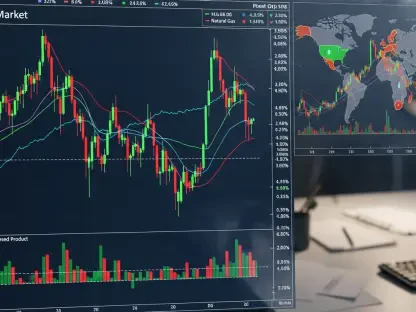
Further compounding these risks is the likely introduction of sophisticated and punitive economic measures designed to reshape consumption patterns. Regulators may implement prohibitively expensive peak-hour tariffs, making it financially unsustainable for data centers to operate at full capacity during periods of high public demand. Another powerful tool in the regulatory arsenal is the enforcement of ‘use it or lose it’ rules, which would empower utilities to revoke unused but contractually reserved grid capacity. This would penalize operators for long-term capacity planning and investment, creating a disincentive for future growth. The overarching trend is clear: electricity is becoming a highly politicized commodity, and contracts that appear secure today could be unilaterally revised by emergency orders or new directives within the next decade, dismantling the stable foundation upon which the industry was built.
The Strategic Pivot to Grid Symbiosis
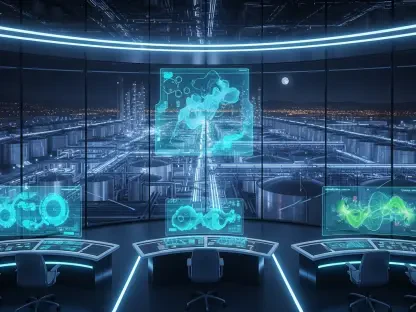
To navigate this treacherous new environment, the data center industry must fundamentally reinvent its relationship with the power grid, moving beyond the role of a passive consumer to become an active, symbiotic partner. This paradigm shift requires operators to design and manage their facilities not as isolated islands of consumption but as flexible, cooperative assets within the broader energy ecosystem. The most resilient and successful operators will be those who embed operational adaptability and a significant degree of energy self-reliance into their core business strategy. Instead of presenting an enormous, inflexible, and constant load, the data center of the future must evolve into a controllable resource that can dynamically modulate its energy consumption in real-time to support grid stability, transforming itself from a potential problem into a vital part of the solution.
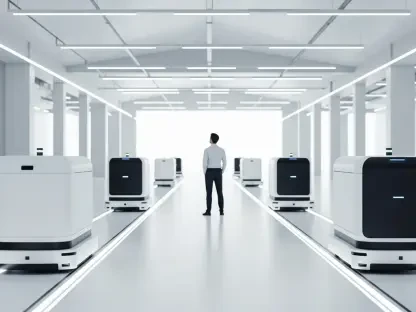
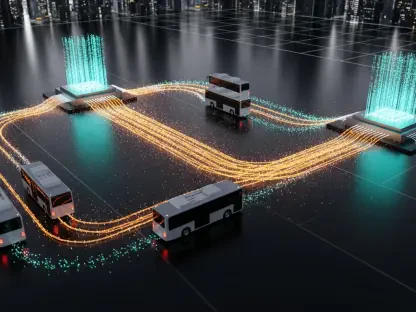
This symbiotic relationship is achieved through a combination of intelligent software and flexible infrastructure. A cornerstone of this approach is advanced workload management, which utilizes sophisticated cloud orchestration platforms to execute Load Shifting and Demand Response. These systems can automatically and seamlessly shift non-critical, computationally intensive tasks—such as large-scale data analytics, machine learning model training, or video rendering—to off-peak hours when electricity is cheaper, more abundant, and often sourced from renewable generation. This strategy can even extend geographically, moving workloads to data centers in different regions where the local grid is not under stress. This is complemented by developing Flexible, Modular Demand, which grants a facility the ability to instantly reduce its power draw by pausing non-essential processes, throttling cooling systems, or shedding other discretionary loads, effectively offering its own capacity as a virtual power plant for grid operators during emergencies.
Building Resilience Through Self-Reliance and Integration
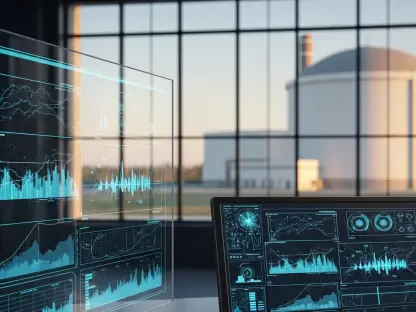
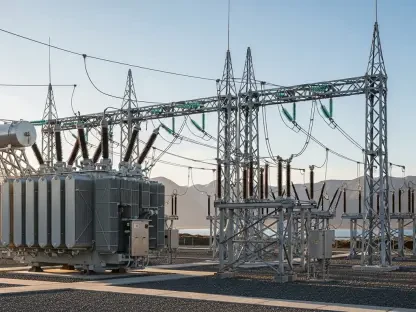
A critical pillar of achieving grid symbiosis involves reducing direct dependence on an increasingly unpredictable public grid through On-Site Generation and Microgrids. Operators are making significant investments in local, self-contained power sources to ensure operational continuity and lessen their strain on public infrastructure. This includes the deployment of on-site renewable generation, such as large-scale solar arrays and wind turbines, complemented by innovative technologies like clean-burning fuel cells and next-generation, high-efficiency generators. Looking further ahead, some are exploring the potential of small modular nuclear reactors as a long-term source of clean, reliable baseload power. In some cases, operators are bypassing congested public transmission lines altogether by establishing private-wire connections directly to large-scale renewable energy projects, securing their own dedicated supply of green energy and insulating themselves from grid-wide volatility.
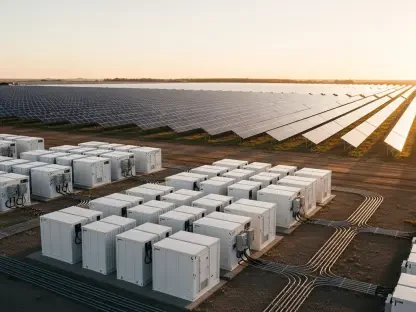
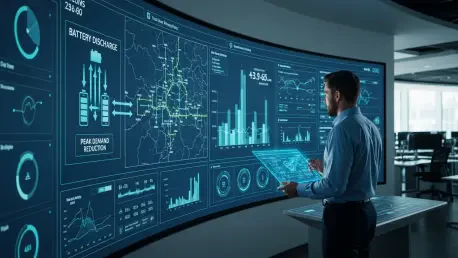
This move toward self-sufficiency is further enhanced by re-imagining the role of Energy Storage and Peak Shaving. Large-scale battery systems, traditionally relegated to providing uninterruptible power supply (UPS) for mere minutes during brief outages, are now being repurposed for active and strategic grid support. By charging these massive battery arrays during low-demand periods, such as overnight when power is inexpensive, and then discharging them to power the facility during peak demand hours, data centers can dramatically reduce their net draw from the grid when it is most strained. This practice not only generates significant cost savings under dynamic or time-of-use pricing models but also serves as a powerful demonstration of a facility’s commitment to being a responsible grid partner. This proactive approach helps build goodwill with utilities and regulators, positioning the data center as a stabilizing force in the local energy landscape.
The Crossroads of Public Perception
Ultimately, the industry’s journey through the energy transition culminated at a distinct crossroads, presenting a choice between two profoundly different futures. The operators who chose to ignore the shifting regulatory and societal landscape were increasingly cast as “power-hungry villains,” finding themselves beleaguered by escalating operational costs, subjected to forced service curtailments, and battling negative public perception. In contrast, those who proactively embraced the principles of grid symbiosis successfully repositioned themselves as indispensable “grid heroes.” By investing heavily in operational flexibility, on-site generation, advanced energy storage, and meaningful community integration through initiatives like heat reuse for district heating, these forward-thinking organizations did more than just mitigate the risks of the energy transition. They thrived by becoming essential partners in the development of a stable, resilient, and decarbonized grid, securing their social license to operate and building a sustainable foundation for future growth.