
The immense and rapidly growing power consumption of data centers, quietly driven by the twin engines of artificial intelligence and cryptocurrency, is positioning the global technology infrastructure on a collision course with the limitations of our energy grids. While these facilities currently account for a relatively small portion of worldwide electricity use, their explosive, resource-heavy expansion represents a formidable future challenge to energy stability and sustainability goals. This burgeoning demand creates a complex dynamic, pitting technological advancement against environmental stewardship and forcing a critical reevaluation of how we power our digital future. Averting a potential crisis requires a nuanced understanding of the forces at play: the insatiable appetite of AI and crypto, the inherent challenges of transitioning to renewable energy, and the systemic inefficiencies that waste precious resources even before they are consumed.
The Unrelenting Demand of Digital Economies
Cryptocurrency’s Foundational Energy Draw
The security architecture of pioneering cryptocurrencies like Bitcoin is built upon a proof-of-work (PoW) consensus mechanism, a system that is deliberately and fundamentally energy-intensive. This protocol requires a global network of participants, or “miners,” to dedicate vast quantities of electrical power to operate specialized hardware, known as Application-Specific Integrated Circuits (ASICs), which are designed for the sole purpose of solving complex mathematical puzzles. The successful solution to a puzzle validates a new block of transactions and rewards the miner. This massive expenditure of energy serves as the network’s primary defense against fraudulent transactions and manipulation. To compromise the blockchain, an attacker would need to command enough computing power to overwhelm the rest of the network, an endeavor that would require a prohibitively expensive investment in both hardware and electricity, thus securing the integrity of the distributed ledger through sheer economic and energetic force. This design ensures that trust is maintained not by a central authority, but by a decentralized consensus backed by tangible resource consumption.
This built-in energy demand is not static; it is designed to grow in perpetuity, creating a relentless upward spiral of consumption. Bitcoin’s protocol features an ingenious difficulty adjustment mechanism that automatically increases the complexity of the computational puzzles as more computing power, or hash rate, joins the network. This ensures that new blocks are mined at a consistent rate, but it also ignites a perpetual arms race among miners. To remain competitive and profitable, participants must continuously invest in more powerful and efficient, yet ultimately more power-hungry, hardware. Compounding this structural demand is the increasing mainstream legitimacy of Bitcoin, which is now being treated as a reserve asset in major economies like the United States. This signal of permanence is projected to stabilize and drive up its value, attracting a new wave of large-scale investment into the construction of more “bitcoin farms” from a diverse array of sectors, including energy, engineering, and manufacturing, thereby solidifying and dramatically expanding this already significant source of global power demand.
The AI Revolution’s Power-Hungry Infrastructure
The proliferation of artificial intelligence and machine learning workloads is triggering a radical and costly transformation of data center infrastructure worldwide. Traditional data centers, which were engineered around rack power densities of 5 to 15 kilowatts (kW) and cooled by circulating air, are fundamentally ill-equipped to handle the immense computational requirements of the graphics processing units (GPUs) that form the backbone of modern AI. The paradigm shift is stark: individual server racks dedicated to AI training and inference can start at a power draw of 30 kW and easily exceed 80 or even 100 kW. This dramatic escalation in power density creates an acute thermal challenge, generating so much concentrated heat that conventional air cooling methods become entirely obsolete. The industry is therefore being forced to pivot towards more advanced and complex solutions, such as liquid cooling, to prevent catastrophic hardware failure and maintain operational stability in these high-performance computing environments.
In response to this thermal crisis, the industry is rapidly adopting sophisticated liquid cooling technologies to manage the heat generated by dense clusters of high-powered GPUs. One prominent method is direct-to-chip cooling, where specially designed cold plates are mounted directly onto processors, with a coolant being pumped through them to absorb and carry heat away far more efficiently than air. An even more comprehensive alternative is immersion cooling, a technique that involves submerging entire servers in a nonconductive dielectric fluid, allowing for total heat dissipation from every component. While these advanced cooling systems offer significant gains in energy efficiency and enable the deployment of the powerful GPU clusters necessary for AI development, they primarily address the symptom of the problem—excessive heat—rather than its root cause. The fundamental demand for raw electricity to power these GPU-heavy racks continues to skyrocket, positioning the AI revolution as a primary and potentially overwhelming catalyst for the looming energy crisis, fundamentally reshaping the energy consumption profile of the entire technology sector.
The Search for Sustainable Solutions
The Challenge of a Green Transition
Confronted with this surge in energy consumption, the industry’s largest players face a powerful counter-pressure toward sustainability. Hyperscale operators, including giants like Amazon, Microsoft, and Google, are bound by intense public scrutiny and investor expectations to pursue a greener, more responsible approach to their energy sourcing. These technology leaders have made significant sustainability pledges, motivated by a complex mix of factors. Chief among them is the desire to cultivate eco-friendly brand images, attract capital from a growing pool of green-minded investors, and strategically prepare for a future where fossil fuels are expected to become both scarcer and more heavily regulated. The historical solution of simply increasing fossil fuel consumption to meet demand is no longer tenable in today’s climate-conscious world, forcing these companies to navigate the difficult path of powering their exponential growth with clean energy.
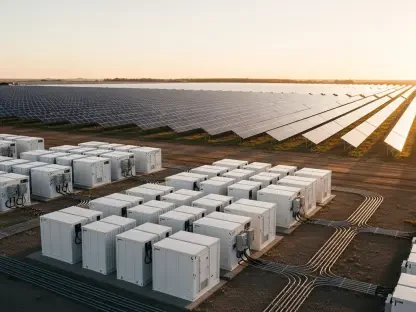
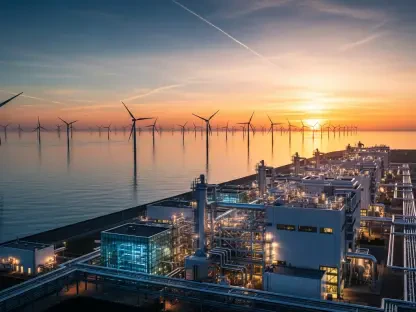
However, this transition to renewable power is fraught with significant and complex challenges that temper the industry’s green ambitions. The primary sources of renewable energy, solar and wind, are inherently intermittent, meaning their power generation fluctuates with weather conditions and time of day. This variability struggles to meet the constant, 24/7 power demand that data centers require for uninterrupted operation. Furthermore, the production of solar panels and wind turbines is heavily reliant on the mining and processing of specific minerals, making their supply chains vulnerable to logistical bottlenecks and geopolitical tensions that can disrupt availability and increase costs. On a more optimistic note, the immense financial resources of Big Tech allow these corporations to directly fund the construction of large-scale renewable projects, and projections from bodies like the International Energy Agency anticipate strong continued growth in renewable electricity generation. A novel trend has also emerged where former cryptocurrency mining operations are pivoting to AI, leveraging their existing infrastructure—industrially zoned land and direct access to low-cost renewable power—to offer more sustainable GPU rental and colocation services.
The Hidden Threat of Inefficiency
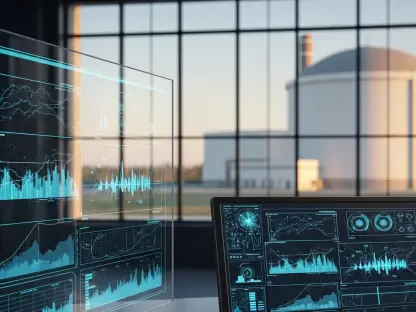
Beyond the primary drivers of demand, operational inefficiency stands as a critical, often-overlooked threat multiplier, a problem starkly illustrated by the situation in the European Union. The EU, which hosts a significant and growing portion of the world’s hyperscale data center capacity, suffers from a critical lack of precise, reliable, and granular data on the energy consumption of individual facilities. This informational “blind spot” is largely attributed to a combination of insufficient business-to-government data sharing protocols and restrictive commercial confidentiality rules that protect such information as a trade secret. As a result, policymakers and grid operators are often forced to rely on broad, aggregated estimates rather than exact figures when planning for energy infrastructure and regulation. This data deficit creates a fundamental barrier to understanding and managing the true energy footprint of the digital economy.
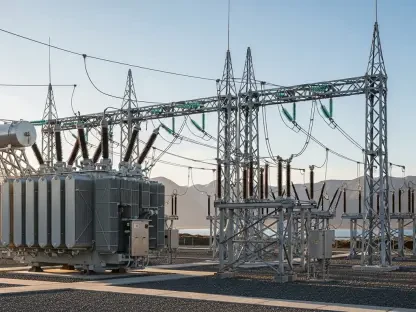
The consequences of this data gap are profound and far-reaching, directly undermining the very merits of the green energy transition. Without accurate and consistent measurement of energy use at the facility level, it becomes impossible to effectively identify, diagnose, and rectify operational inefficiencies. This means that significant amounts of electricity, even if generated from clean, renewable sources, can be wasted due to suboptimal cooling, underutilized servers, or inefficient power distribution within the data center itself. This squandering of clean energy erodes the environmental benefits of renewable investments and places unnecessary strain on the power grid. Recognizing this critical deficiency, the European Union has acknowledged the problem and is actively working to develop and implement new legislative frameworks that would either mandate or strongly incentivize more transparent and detailed reporting of energy consumption data from data center operators, aiming to bring much-needed clarity to a dangerously opaque sector.
Navigating the Path Forward
The analysis revealed that the combined and rapidly escalating power demands of the cryptocurrency and artificial intelligence sectors had created the conditions for a major energy crisis. While vital stakeholders were taking proactive measures—from developing advanced cooling technologies and investing in renewable generation to pursuing greater data transparency—the sheer scale and velocity of the demand growth presented a formidable challenge. The path forward necessitated a multi-faceted approach, focusing not only on generating more clean energy but also on fundamentally improving the efficiency of its consumption. Coordinated action between industry leaders, governments, and energy providers was identified as essential to ensure that technological innovation could proceed without destabilizing global energy systems and compromising environmental goals.