
The digital revolution’s insatiable appetite for electricity has unexpectedly crowned a new king in the energy sector, as the United States surges forward with a natural gas power expansion of historic proportions. A monumental shift is underway, driven not by traditional industrial growth but by the computational demands of artificial intelligence and the sprawling data centers that house it. This boom represents a pivotal moment, intertwining the future of technology with the trajectory of fossil fuel infrastructure and reshaping the global energy map in the process.
The New Gas Powerhouse: America’s Unprecedented Expansion
The United States has rapidly emerged as the undisputed global leader in planned natural gas power capacity, signaling a profound strategic pivot in its energy infrastructure development. With an astonishing 252 gigawatts (GW) of new gas-fired power in the development pipeline—encompassing announced, pre-construction, and construction phases—the country now accounts for nearly a quarter of all planned gas capacity worldwide. This surge places the U.S. firmly ahead of other major players, including China, and marks a new era of gas-centric energy planning.
This expansion is not merely a line item in development logs; it represents a massive capital mobilization. The projected costs for bringing these projects to fruition exceed $416 billion, an investment poised to increase the nation’s existing gas fleet by nearly 50%. Such a dramatic increase underscores a significant commitment to natural gas as a primary source for meeting the nation’s escalating power demands for the foreseeable future, fundamentally altering its energy generation portfolio.
The Forces Driving the Surge
The Unquenchable Thirst: AI and Data Centers as Primary Catalysts
At the heart of this gas boom is the exponential growth in electricity consumption by the technology sector. The computational processes that power modern AI are exceptionally energy-intensive, and the proliferation of data centers to support them has created an unprecedented and concentrated demand for reliable power. These facilities operate around the clock, requiring a constant, unwavering energy supply that current renewable sources alone often struggle to provide, making natural gas a compelling option for ensuring grid stability and operational uptime.
This trend extends far beyond American borders, reflecting a global response to new, tech-driven energy pressures. Nations around the world are reevaluating their energy strategies to accommodate the voracious power needs of the digital economy. The 31% increase in gas power in development worldwide last year indicates a broader acknowledgment that the transition to a digital-first world necessitates a parallel expansion in dependable energy infrastructure, with natural gas frequently filling the role of a bridge fuel.
Projecting the Boom: Market Data and Growth Forecasts
The scale of the American expansion is stark when viewed through market data. The U.S. development pipeline for gas power nearly tripled in 2025, a growth rate that has allowed it to outpace China in planned capacity. This surge reflects a rapid mobilization of capital and planning resources aimed squarely at addressing the anticipated shortfall in electricity generation caused by the tech boom.
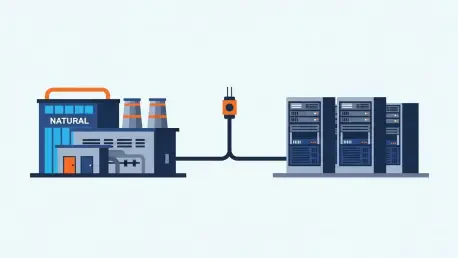
Texas stands as the undisputed epicenter of this movement, with 80.6 GW of planned capacity—more than the next seven states combined. What is particularly noteworthy is that nearly half of these Texas-based projects are slated for on-site consumption, designed to directly power massive data centers. This localized approach highlights the symbiotic relationship between the tech and energy sectors, where new power plants are being co-located with their primary consumers. As a result of this global push, 2026 is on pace to set a new record for the amount of gas-fired power brought online worldwide, solidifying the fuel’s role in the current energy landscape.
The Manufacturing Bottleneck: A Critical Obstacle to Expansion
Despite the immense momentum, a significant obstacle threatens to temper the pace of this gas-fired expansion: a severe bottleneck in the manufacturing of essential power turbines. The global supply chain for these highly specialized components is stretched thin, with major manufacturers reporting production backlogs that extend through 2030. This manufacturing constraint is the primary factor slowing down the otherwise rapid development of new gas plants.
The situation presents a considerable risk to the viability of many proposed projects. An alarming two-thirds of the projects currently in the U.S. pipeline have not yet secured a turbine manufacturer, placing their timelines and even their ultimate completion in jeopardy. Without a guaranteed supply of these critical components, developers face an uncertain future, potentially delaying the delivery of much-needed power and complicating investment decisions across the sector.
Navigating the Policy Maze: The Regulatory and Climate Crossroads
Beyond supply chain issues, developers must navigate a complex and often lengthy web of regulatory hurdles and permitting processes. Bringing a new natural gas power plant online requires approvals at multiple levels of government, each with its own set of environmental and safety standards. These procedural requirements can significantly extend project timelines, adding another layer of complexity to an already challenging development landscape.
This expansion also creates an inherent tension with national and state-level climate goals aimed at reducing greenhouse gas emissions. The long operational lifespan of these new gas plants could lock in decades of fossil fuel consumption, potentially complicating the transition toward a cleaner energy future. This dynamic places policymakers at a crossroads, forcing them to balance the immediate need for reliable power with long-term environmental commitments. Consequently, the role of compliance and environmental standards becomes paramount, acting as a crucial filter that will ultimately shape which projects are deemed viable and allowed to proceed.
The Road Ahead: The Future Trajectory of Gas Fired Power
The long-term sustainability of the current natural gas boom remains a subject of intense debate. While gas provides a reliable solution to today’s power demands, its future is far from guaranteed. The energy sector is in a state of rapid flux, with continuous innovation potentially disrupting established paradigms and altering the competitive landscape.
Key among these potential disruptors are advances in renewable energy generation, utility-scale battery storage, and sophisticated energy efficiency technologies. As these alternatives become more cost-effective and reliable, they could erode the economic case for new gas-fired power plants. The ultimate trajectory of the gas boom will therefore depend not only on the tech sector’s demand but also on how quickly these competing technologies can scale. Furthermore, the pace and scale of future growth will be dictated by the resolution of the pressing manufacturing backlogs, which currently serve as the most immediate brake on development.
A New Energy Paradigm: The Symbiotic Rise of AI and Natural Gas
The findings presented underscore a direct and powerful link between the technology sector’s relentless demand for power and the revitalization of the U.S. natural gas industry. This relationship marks the emergence of a new energy paradigm where the needs of the digital economy are actively reshaping physical infrastructure on a massive scale. The U.S. now stands at the forefront of this trend, building out a new generation of power plants specifically to fuel the future of artificial intelligence.
This analysis concludes that the futures of the digital economy and the energy sector are now more intertwined than ever. The rise of AI necessitates a corresponding surge in reliable energy, and for now, natural gas is filling that void. This symbiotic relationship has created critical implications for national energy policy, infrastructure investment, and grid stability. As the nation moves forward, it must grapple with how to support technological innovation while managing the environmental consequences of its energy choices, a balancing act that will define the next chapter of American industrial and environmental policy.