
The explosive growth of artificial intelligence is fundamentally reshaping the American energy landscape, giving rise to an entirely new “megasector” dedicated to satisfying the colossal and unique power demands of data centers. This burgeoning industry requires a specialized form of electricity known as “AI-grade” power, which must be simultaneously clean enough to meet investor expectations, affordable for operators, and exceptionally reliable with 24/7 availability. This insatiable appetite for energy is forcing a strategic pivot in national policy, investment, and infrastructure, redefining the very concept of “energy dominance.” The focus is rapidly shifting away from the historical goal of controlling fossil fuel extraction and toward mastering the intricate power supply chain that underpins the digital economy. The companies that can successfully navigate this new terrain are poised to become the new titans of American industry, controlling the essential resource of the 21st century.
The Unforgiving Demands of Computation
The unique physics underlying artificial intelligence and machine learning computation has introduced a new, non-negotiable requirement for power generation: near-perfect reliability. These complex workloads are utterly intolerant of downtime, demanding a 99.999% uptime that intermittent renewable sources like wind and solar, on their own, simply cannot guarantee. This has created a monumental challenge, as projections estimate that electricity demand from U.S. data centers could triple by 2030, reaching a scale comparable to the entire consumption of a nation like Japan. This unprecedented surge is already placing immense strain on the existing grid infrastructure. The need for constant, stable power is not just a preference but a core operational necessity for an industry where even milliseconds of interruption can lead to catastrophic data loss and financial consequences, rewriting the rules for energy providers across the country.
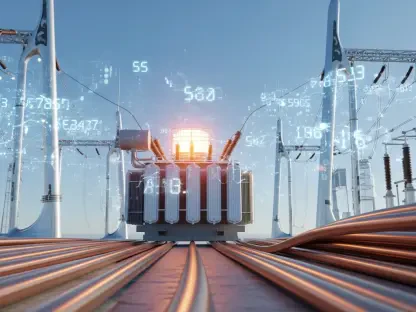
This surge in demand is creating significant logistical bottlenecks that threaten to slow the pace of digital expansion. Interconnection queues in major energy markets, such as Texas (ERCOT) and the mid-Atlantic (PJM), are becoming flooded with requests for new power generation projects at a rate that far outpaces the construction of new transmission capacity. The protracted and often complex process of building new high-voltage lines, which can take a decade or more due to permitting and regulatory hurdles, has become a primary limiting factor. This mismatch between the rapid deployment of data centers and the slow-moving development of the infrastructure needed to power them has created a critical impasse. Consequently, technology companies and power developers are forced to seek more direct and innovative solutions to secure the vast quantities of reliable electricity required to fuel the AI revolution, often looking beyond the traditional utility model.
The Resurgence of a Reliable Workhorse
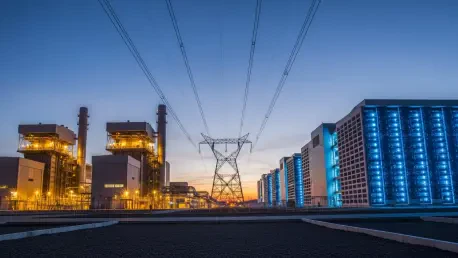
In response to this reliability-first imperative, natural gas is experiencing a significant and strategic resurgence, positioning itself as the indispensable backbone of America’s AI power build-out. While not the preferred long-term solution for many climate advocates, natural gas offers the essential “firm capacity” that artificial intelligence workloads demand. Its key advantages are compelling in the current market: combined-cycle gas plants can ramp up and down quickly to balance the grid and meet fluctuating needs, a flexibility that complements intermittent renewables perfectly. Furthermore, the ability to co-locate these plants with digital and industrial hubs reduces transmission losses and infrastructure strain. For investors, natural gas represents a proven, dispatchable, and abundant domestic resource, making it an economically sound choice for ensuring the lights stay on for the digital economy’s most critical assets.
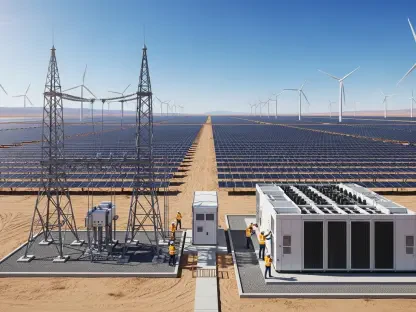
This market reality has spurred the development of sophisticated hybrid energy solutions tailored specifically for hyperscale clients. Developers are increasingly creating “premium package” offerings that pair efficient natural gas plants with large-scale solar arrays and battery storage systems. This integrated model provides a blend of non-negotiable, always-on reliability from gas with the cleaner environmental profile and potential cost savings offered by renewables. By packaging these assets together, energy providers can deliver a product that meets the stringent uptime requirements of data centers while also satisfying the corporate sustainability goals of major technology firms. This trend signals a pragmatic evolution in the energy sector, where mothballed gas projects are being revived and incorporated into multifaceted systems designed to provide the best of both worlds: unwavering power and a reduced carbon footprint.
A New Era of Policy and Investment
This market-driven shift is mirrored by a discernible recalibration in federal energy policy, which is moving from aspirational goals toward more pragmatic execution. The Department of Energy has begun scaling back certain grant programs for wind and solar, a move framed not as an abandonment of renewables but as an effort to end “preferential treatment” and foster a more competitive, results-oriented environment. The termination of numerous renewables projects in recent years highlights a new, harder-nosed assessment based on practical considerations like cost, timing, and deliverability. The persistent challenges of transmission bottlenecks and permitting delays for large-scale green projects are forcing a new realism into the national energy conversation. This recalibration is accelerating a new phase of the energy transition where the administration’s “energy dominance” mantra is expanding to fully encompass the generation and control of electrons for the digital age.
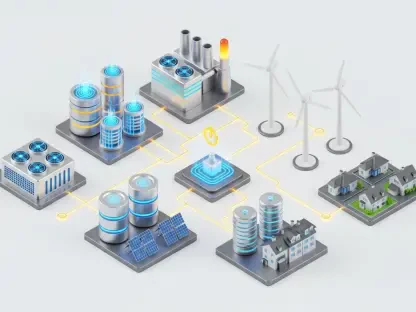
A potential catalyst for this new era is emerging from a significant policy initiative involving the Department of Energy and the Federal Energy Regulatory Commission. The DOE’s use of its Section 403 authority to push for a new rulemaking on large-load interconnections could fundamentally alter how power is delivered to major industrial and tech users. If successful, this move could parallel the transformative impact of the Public Utility Regulatory Policies Act of 1978, which opened the market for independent power producers. It would create a clearer, more direct path for developers to serve AI clients, potentially bypassing traditional utility gatekeepers and their congested grids. This paves the way for an “IPP 2.0” model, where private capital funds the development of integrated, behind-the-meter, hyperscale micro-grids that blend gas, renewables, and storage into a single cohesive and reliable system.
Forging the Digital Power Grid
The AI boom irrevocably fused America’s energy and technology narratives into a single, interconnected story of innovation and demand. The winning model that emerged to power this revolution was not a single-source solution but a meticulously integrated hybrid portfolio. Natural gas provided the critical, non-negotiable firmness and reliability that formed the bedrock of the system. Renewables like solar contributed to a cleaner environmental profile while offering long-term cost-competitiveness. Advanced battery storage was deployed to ensure grid stability and smooth out the intermittency of green sources, and emerging technologies like next-generation geothermal began to offer glimpses of a future with clean, firm power. The companies that mastered the complex technical integration of these diverse assets, while skillfully navigating the evolving DOE-FERC regulatory framework, became the new power barons of the AI age, defining an era of American energy dominance built not on exporting hydrocarbons, but on exporting computation.