
The explosive growth of artificial intelligence is setting the stage for an unprecedented energy challenge, one that will fundamentally reshape both the digital landscape and the global power grid over the next decade. As AI models become more complex and their applications more widespread, the data centers that house them are developing a voracious appetite for electricity, creating a direct link between computational progress and energy consumption. This surge is not merely an incremental increase; it represents a seismic shift that will test the limits of our current energy infrastructure and accelerate the transition to new power sources.
The Digital Backbone’s Growing Appetite for Energy
Data centers have long been the unseen engines of the digital economy, providing the critical infrastructure for everything from cloud computing to streaming services. They are the physical home of the internet, and their reliability is paramount. In recent years, however, their role has evolved from passive storage and processing to active, high-intensity computation, driven largely by the demands of artificial intelligence and high-performance computing (HPC).
These advanced applications require a level of computational power far beyond traditional workloads. As a result, AI and HPC have become the primary drivers of growth in the data center industry, pushing hardware to its limits and, in turn, escalating energy needs. This trend has established a new baseline for power consumption. As of 2024, data centers consumed an estimated 460 terawatt-hours (TWh) globally, accounting for approximately 1.5% of the world’s total electricity.
The AI-Fueled Surge Projections and Power Shifts
Why AI and HPC are Such Power Hogs
The immense power consumption of AI is rooted in the specialized hardware required to run it. Unlike conventional servers that handle a variety of general tasks, AI infrastructure relies heavily on graphics processing units (GPUs) and other accelerators designed for parallel processing. These components are essential for training and deploying complex machine learning models but consume significantly more electricity per unit than traditional central processing units (CPUs).
This difference in hardware translates to a substantial increase in overall energy demand. A rack of AI-specific servers can draw several times more power than a standard server rack, fundamentally altering the energy profile of a data center. The computational intensity of training large language models or running sophisticated simulations is a key market trend, forcing operators to build facilities with much greater power density.
Charting the Exponential Growth Curve
Market analysis projects a dramatic and sustained increase in data center energy use over the next decade. According to forecasts, global consumption is on track to more than double, surpassing 1,000 TWh by 2030, and will continue its ascent to reach 1,300 TWh by 2035. This exponential growth is almost entirely attributable to the proliferation of AI and HPC applications.
This surge means data centers will command a larger portion of the world’s electricity. The industry’s share of global power consumption is expected to double, rising from 1.5% in 2024 to an estimated 3% by 2030. This shift underscores the growing importance of data centers not just as technological hubs but as major players in the global energy ecosystem.
Powering the Future The Grid’s Great Challenge
Meeting this tripling demand presents a formidable challenge for global energy providers. Generating an additional 840 TWh of electricity—an amount comparable to the annual consumption of entire countries—will require massive new investments in power generation and transmission. Without careful planning, this rapid expansion could place significant strain on existing electrical grids.
The scale of the required infrastructure build-out is immense. Power grids in many regions are already operating near capacity, and the sudden addition of numerous, high-demand data centers could threaten grid stability. Consequently, the industry faces the complex task of balancing the urgent need for more power with the equally critical need to ensure a reliable and resilient energy supply for all consumers.
Navigating the Green Transition and Regulatory Pressures
The current energy mix powering data centers highlights the environmental challenge ahead. As of 2024, the industry relied heavily on fossil fuels, with coal (30%) and natural gas (26%) together supplying over half of its electricity. This dependency runs counter to the growing pressure from investors, consumers, and governments for greater corporate responsibility and sustainability.
Corporate sustainability goals and Environmental, Social, and Governance (ESG) commitments are increasingly influential factors in the data center market. Major technology companies have pledged to power their operations with 100% renewable energy, driving a market-led shift toward cleaner sources. This trend is likely to be reinforced by government regulations, as nations work to meet their climate targets under international agreements.
The Evolving Energy Mix for Tomorrow’s Data Centers
Looking ahead to 2035, the energy portfolio for data centers is projected to undergo a radical transformation. The industry is poised to move away from its reliance on fossil fuels and embrace a mix dominated by clean energy. This shift will not be gradual but rather a dramatic overhaul of how digital infrastructure is powered.
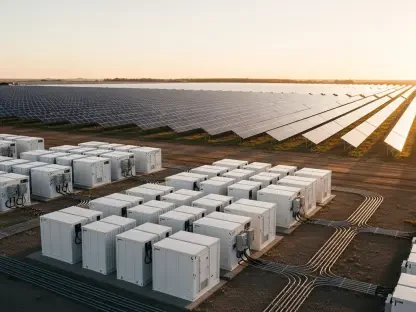
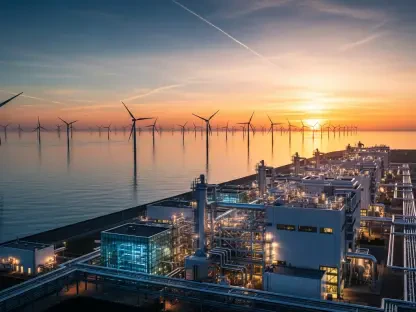
Renewable energy sources, including solar, wind, and hydropower, are forecast to become the primary power source for data centers, with their share expected to more than double to 60% by 2035. In parallel, nuclear power is anticipated to play a larger role in providing consistent, carbon-free baseload power. This transition will see a corresponding sharp decline in the use of both coal and natural gas, marking a new era of sustainable digital growth.
Balancing Innovation with a Sustainable Energy Strategy
The path forward for the technology sector is clear: the exponential growth of artificial intelligence is inextricably linked to a massive increase in energy demand. This reality presents a dual challenge that will define the industry for the next decade. It is a challenge of not only supplying the immense power needed to fuel innovation but also ensuring that this power is generated sustainably.
This situation forces a critical reevaluation of energy strategy at both the corporate and national levels. The future of AI and the continued expansion of our digital world hinge on the ability to execute a large-scale transition to clean, reliable, and scalable energy solutions. The industry’s success will be measured not just by the sophistication of its algorithms but by its commitment to powering them responsibly.