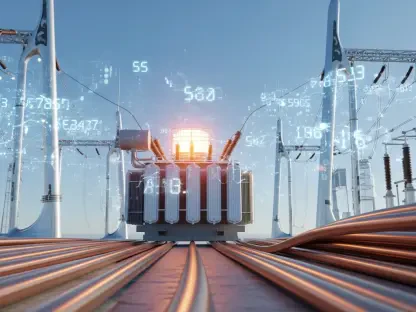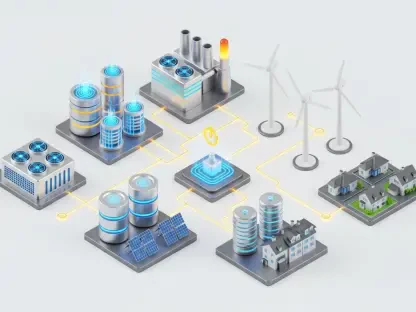

The rapid proliferation of artificial intelligence and digital technologies is creating an unprecedented and largely unforeseen strain on global power systems, forcing a fundamental reevaluation of how energy is generated, distributed, and managed. This new “digital load,” primarily driven by AI computing, hyperscale data centers, electric vehicles, and heat pumps, represents the core engine of growth in electricity consumption. Unlike traditional demand, this load is uniquely characterized by its highly concentrated and “always-on” nature, creating immense pressure on aging grid infrastructure. Projections indicate that electricity demand from data centers alone is set to more than double to approximately 945 TWh by 2030. Within this surge, AI will be the most significant contributor, with its specific electricity requirements expected to quadruple over the same period. This explosive growth is already creating tangible consequences, including significant delays in grid connections for new facilities and compelling utilities to rethink long-term capacity planning from the ground up.
The Convergence of Digital Demand and Systemic Pressures
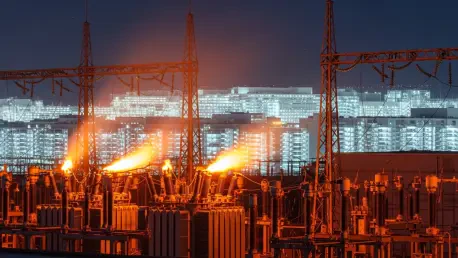
The challenge posed by escalating digital energy consumption does not exist in isolation; it is intensifying amid a convergence of other powerful global forces that are reshaping the energy landscape. The increasing frequency and severity of extreme weather events, from heatwaves to powerful storms, are testing the resilience of energy infrastructure like never before, causing widespread outages and disrupting supply chains. Simultaneously, significant political shifts around the world are influencing energy policies, creating a complex and often unpredictable regulatory environment. This confluence of a rapidly growing digital load, climate-related stress, and geopolitical maneuvering creates a perfect storm for the world’s electrical grids. The stability of the energy system can no longer be taken for granted, as these combined pressures expose vulnerabilities and underscore the urgent need for a more robust, adaptive, and resilient approach to energy management that can withstand multiple concurrent stressors while meeting ever-growing demand.
Embracing Flexibility as the Path Forward
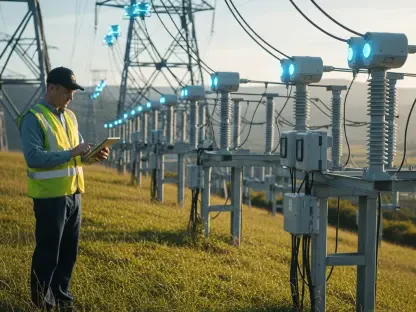
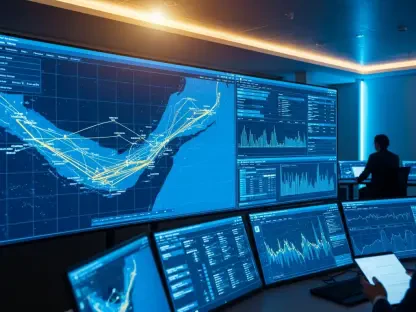
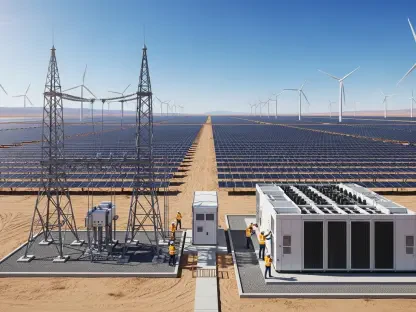
In response to these multifaceted challenges, energy flexibility emerged as the most critical component for ensuring a stable and efficient power supply. The transition to a more complex and distributed energy system, where consumers also become active participants in the market, necessitated advanced technological solutions to maintain balance. This flexibility became paramount for managing the inherent intermittency of renewable energy sources and absorbing the sharp, relentless increases in demand from the digital economy. The integration of diverse technologies was optimized through the deployment of AI and advanced process optimization, which included machine learning and predictive analytics. These tools proved essential for orchestrating the flow of energy, predicting consumption patterns, and optimizing system performance in real-time. Ultimately, the adoption of these intelligent technologies provided the necessary agility to maintain grid stability, transforming a system under strain into one capable of dynamically adapting to a new energy reality.