
The silent hum of progress now carries a distinct, and increasingly expensive, electrical charge that threatens to short-circuit the nation’s economic stability. A long-simmering energy crisis, fueled by decades of deferred maintenance and compounded by the voracious appetite of new technologies, has reached a critical boiling point. This is not a distant problem for future generations but a present-day reality confronting households and industries alike, forcing a national reckoning with the true cost of powering a digital future on an analog foundation.
The Perfect Storm: A Convergence of Rising Demand and Failing Infrastructure
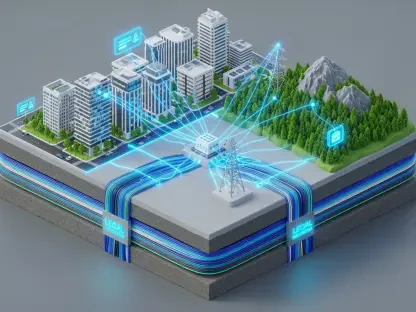
The United States is currently navigating a multifaceted energy crisis, a perfect storm where the explosive, AI-driven demand for electricity is colliding with a power grid that has suffered from decades of underinvestment. This convergence is no longer a theoretical risk but an active challenge, creating a precarious balance between technological ambition and infrastructural reality. The grid, a complex marvel of 20th-century engineering, is now proving dangerously inadequate for the demands of the 21st, revealing vulnerabilities that threaten to undermine national progress.
This escalating situation involves a complex web of stakeholders, each with competing interests and pressures. Technology giants require massive, reliable power sources to fuel their data centers. Utility providers are tasked with meeting this unprecedented demand while operating within a system not built for such rapid growth. Federal and state regulators must balance the need for infrastructure expansion with consumer protection and environmental concerns. At the end of this chain is the American public, which is already beginning to feel the direct economic consequences of this infrastructural deficit through steadily rising utility bills.
The significance of this problem extends far beyond mere inconvenience. An unreliable and increasingly expensive energy supply poses a substantial threat to economic competitiveness and societal well-being. Businesses face escalating operational costs, which are inevitably passed on to consumers, fueling inflation. Meanwhile, households, particularly those with lower incomes, are shouldering a growing “energy burden” as electricity prices outpace wage growth. The failure to address these systemic issues risks not only a slowdown in technological innovation but also a future marked by economic strain and energy insecurity.
Decoding the Surge: The Unprecedented Rise in Energy Consumption
The New Power Hog: How AI is Reshaping Energy Demand
The primary catalyst accelerating this strain is the proliferation of data centers designed to power artificial intelligence. These facilities are not just another source of electricity consumption; they represent a fundamentally new and disruptive force in energy demand. Unlike traditional industrial or residential loads, the energy requirements of AI and machine learning are immense, concentrated in specific geographic locations, and operate at peak capacity around the clock. This relentless demand places a unique and intense pressure on regional power grids.
This new wave of consumption acts as an unforgiving stress test on the nation’s energy infrastructure, exposing deep-seated vulnerabilities that have been accumulating for years. Where the grid once had some flexibility to manage fluctuating demand, the constant, high-volume draw from data centers erodes that margin. Consequently, issues like inadequate transmission capacity and aging equipment, which were once manageable problems, are now becoming critical points of failure, threatening grid stability and reliability on a much larger scale.
By the Numbers: Projecting the Grid’s Breaking Point
Market data paints a stark picture of this explosive growth. Projections indicate that the energy consumption of data centers is on track to triple by 2030, at which point these facilities could account for nearly 12% of all electricity used in the United States. This surge is not a gradual increase but a steep, exponential climb that the current infrastructure is simply not equipped to handle without significant and immediate intervention.
To meet this and other future needs, forward-looking forecasts from energy analysts suggest that national transmission capacity must be expanded by approximately 60% by 2050. This is not merely a matter of building more power plants; it requires a colossal investment in the physical network of high-voltage lines that move electricity from where it is generated to where it is consumed. Without this expansion, regional power shortages and grid bottlenecks will become increasingly common. Meanwhile, key performance indicators already reflect the growing pressure, with residential electricity prices consistently outpacing both inflation and wage growth, signaling a breaking point for consumers long before the grid itself fails.
System Overload: Confronting the Core Obstacles and Economic Fallout
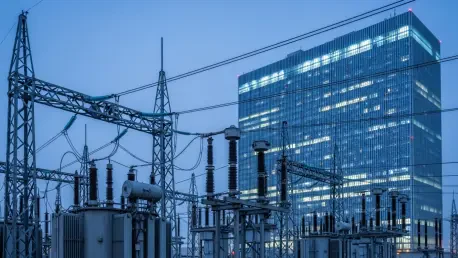
At the heart of the crisis is a foundational challenge: the nation’s power grid is physically deteriorating and lacks the capacity to transmit electricity where it is most needed. Decades of deferred upgrades have left a legacy of aging transmission lines and substations that are ill-equipped to handle the volume and complexity of modern energy flows. This isn’t just an issue of generating more power but of having the robust, interconnected network required to deliver it reliably from increasingly diverse generation sources to concentrated centers of demand.
Modernizing this vast infrastructure presents technological complexities and astronomical costs. Estimates for a comprehensive national grid overhaul run into the trillions of dollars, a figure that sparks intense debate over financing. The process involves not only replacing old hardware but also integrating advanced technologies for grid management and storage. The sheer scale of this undertaking makes it one of the most significant and expensive infrastructure projects in the nation’s history, requiring sustained investment over several decades.
This financial reality translates into a direct economic burden on both households and businesses. As utilities embark on necessary—and costly—upgrades, the expenses are traditionally passed on to all customers through rate increases. This has ignited a contentious debate over who should bear the financial responsibility for an expansion driven so heavily by a specific industry. The question of whether high-demand users like data centers should contribute a larger share toward the infrastructure they necessitate remains a central point of conflict for regulators and policymakers.
Navigating the Red Tape: A Landscape of Policy and Political Gridlock
The path to modernizing the grid is entangled in a complex and often conflicting regulatory web. Authority is fragmented among federal agencies like the Federal Energy Regulatory Commission (FERC), state-level public utility commissions, and the private companies that own and operate the infrastructure. These entities frequently operate with misaligned goals, different timelines, and overlapping jurisdictions, creating a bureaucratic maze that can stifle progress on even the most critical projects.
This systemic dysfunction consistently leads to significant project delays and massive cost overruns. A new transmission line or power facility can spend years, sometimes more than a decade, navigating the permitting and approval process. As seen in cases from New England to the Midwest, what begins as a feasible project can become financially unviable after years of regulatory hurdles and legal challenges, with the inflated costs ultimately passed on to the public. This gridlock prevents the nimble response needed to meet rapidly evolving energy demands.
Further complicating matters is the impact of political opposition and local activism. While the need for new energy infrastructure is clear at a national level, specific projects often face fierce resistance from communities concerned about environmental impact, property values, and aesthetic changes. This “not in my backyard” phenomenon can halt essential transmission lines and power generation facilities, creating a paradox where everyone agrees on the need for a stronger grid, but no one wants the new infrastructure built near them.
Forging a Path Forward: Innovation and the Future of Energy
Amid these challenges, emerging technologies and strategies offer promising avenues for managing grid load more effectively. Innovations such as smart thermostats, time-sensitive electricity pricing, and advanced demand-side monitoring empower consumers and businesses to shift their energy use away from peak hours. These tools can help smooth out demand curves, reducing the strain on the grid without requiring the immediate construction of new power plants, thereby offering a more flexible and cost-effective approach to load management.
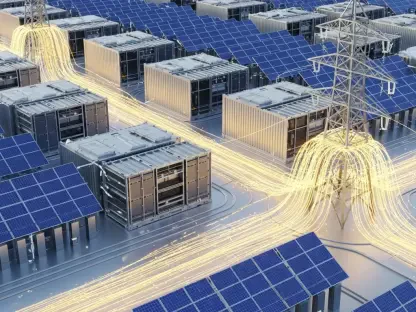
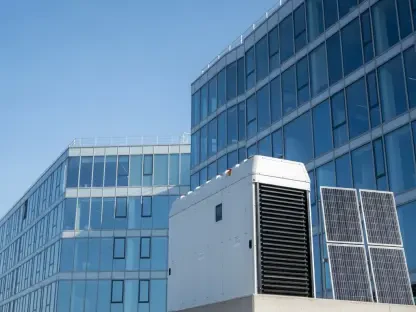
The potential for market disruptors to alleviate strain on the centralized grid is also growing. Advanced energy storage systems, including large-scale batteries, can store excess power generated during off-peak times and release it when demand is high, enhancing grid stability. Furthermore, the rise of distributed generation, such as rooftop solar and microgrids, allows for more localized power production, reducing reliance on long-distance transmission and making the overall system more resilient.
However, technology alone is not a panacea. Realizing the full potential of these innovations requires new collaborative frameworks that unite regulators, utilities, tech giants, and consumers. Current regulatory models, designed for a different era, often struggle to accommodate new technologies and business practices. Fostering an environment that encourages investment in smart grid solutions and distributed resources will be critical to building a more flexible, reliable, and affordable energy future.
The Final Verdict: A Call to Action for a Modernized Grid
The core finding was that the U.S. faced a multifaceted energy crisis that demanded immediate and sustained action from all sectors. It was a challenge of immense scale, rooted not only in technical deficits but also in deep-seated political, regulatory, and financial structures that resisted change. The convergence of soaring demand from new technologies and a fragile, outdated infrastructure created a dilemma that defied any simple solution.
A concluding viewpoint emerged that the nation’s trajectory was unsustainable. The inadequacy of existing regulatory models became clear, as they proved incapable of either lowering costs in the short term or helping the public prepare for the long-term price increases necessary for a massive grid overhaul. The system was designed for a slower, more predictable world and was failing to adapt to the speed and scale of 21st-century demands.
A final recommendation was made that without a new era of cooperative action and strategic, forward-thinking investment, Americans faced a prolonged period of rising costs and persistent economic pressure. The analysis concluded that the challenge was not just about building a new grid; it was about finding a fair, innovative, and economically viable way to finance it, ensuring that the pursuit of technological progress did not leave the nation’s economic foundation in the dark.