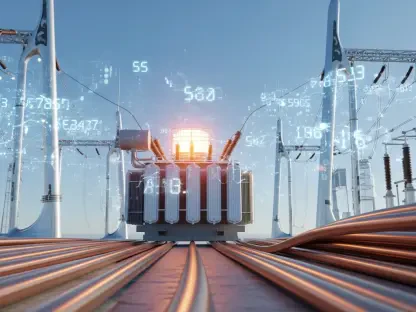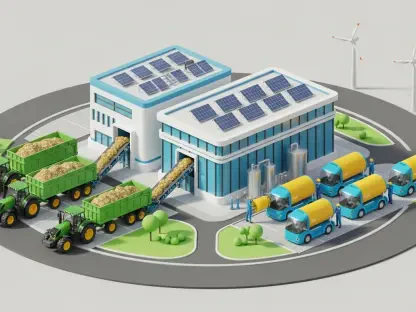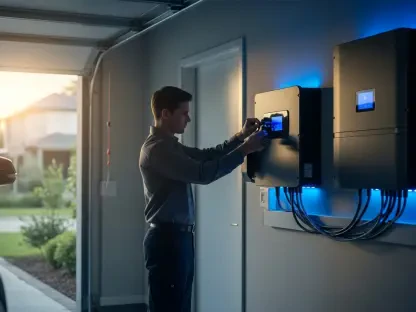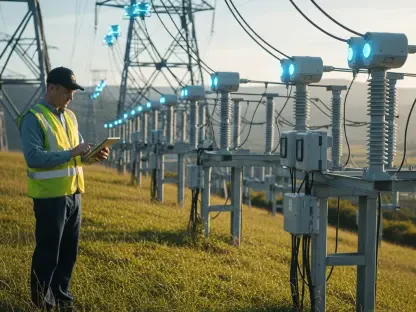

The intricate dance of balancing electricity supply and demand across the grid has evolved from a predictable waltz into a complex, high-speed improvisation driven by a diverse cast of new energy sources. The advancement of smart grid platforms represents a significant transformation in the energy sector. This review will explore the evolution of these technologies, focusing on their key features like distributed energy resource management and real-time control, their performance metrics, and the impact they have on grid reliability and resilience. The purpose of this review is to provide a thorough understanding of these advanced platforms, their current capabilities as demonstrated by leading industry partnerships, and their potential for future development.
Introduction to the Modern Smart Grid Ecosystem
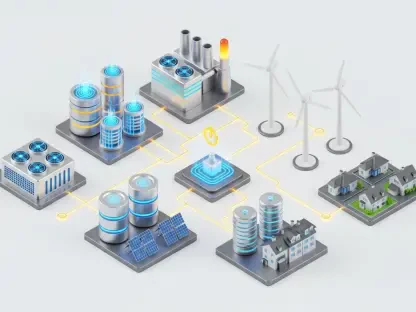
The fundamental architecture of the electric grid is undergoing a radical transformation. Historically, power generation was a centralized, one-way street, with large power plants delivering electricity to passive consumers. The modern ecosystem, however, is a decentralized, intelligent network. This shift is driven by the global energy transition, which champions the integration of variable renewable sources, electric vehicles, and localized energy storage.
Advanced smart grid platforms serve as the central nervous system for this new paradigm. They are sophisticated software and hardware systems designed to manage a complex, multi-directional flow of both energy and information. By enabling communication and coordination between utilities, consumers, and a vast array of energy assets, these platforms turn a collection of disparate components into a cohesive, responsive, and optimized power grid. This intelligence is crucial for maintaining stability in a system where supply is no longer constant and demand is increasingly dynamic.
Key Features of Advanced Grid Management Technology
Distributed Energy Resource Management Systems
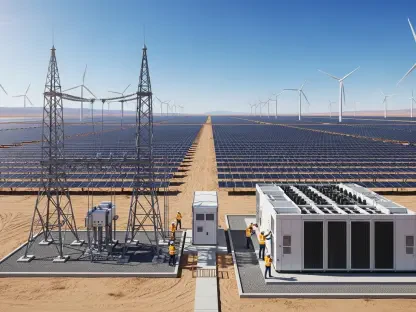
At the heart of the modern smart grid lies the Distributed Energy Resource Management System (DERMS). This technology acts as a unified command center, providing utilities with the ability to see, manage, and optimize a growing fleet of distributed energy resources (DERs). These resources can include everything from rooftop solar panels and residential battery storage to commercial demand response programs and electric vehicle charging stations. Without a DERMS, these assets operate in isolation, potentially creating instability on the grid.
A DERMS platform aggregates these scattered resources, treating them as a single, virtual power plant. This allows grid operators to harness their collective capacity for various grid services, such as managing peak demand, regulating voltage, and providing ancillary services. By offering a single point of control, these systems transform potential grid liabilities into valuable, dispatchable assets, making the integration of renewables more manageable and cost-effective.
Real-Time Orchestration and Flexibility
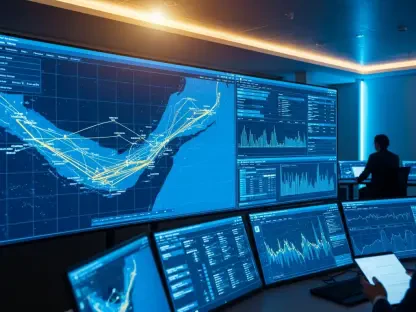
A defining innovation in advanced grid platforms is the move away from exclusively forecast-based operations toward real-time orchestration. Traditional grid management relied heavily on predicting load and generation hours or even days in advance. While planning remains essential, the intermittent nature of renewables and the unpredictability of modern loads demand a more agile approach. Real-time control allows the system to react instantly to live conditions, such as a sudden drop in solar generation due to cloud cover or an unexpected surge in demand.
This capability for live adjustments provides unprecedented operational flexibility. Utilities can dynamically dispatch resources, fine-tune voltage, and manage grid congestion in seconds rather than hours. This responsiveness not only enhances grid stability and reliability but also improves economic efficiency by optimizing the use of the lowest-cost energy resources available at any given moment. This agility is what separates a merely “smart” grid from a truly intelligent and adaptive one.
Microgrid Control and Islanding Capabilities
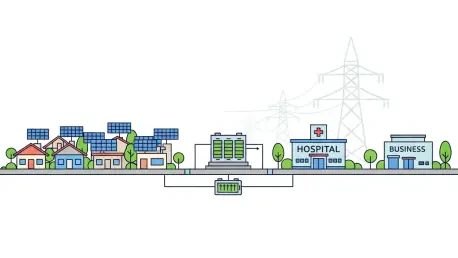
As climate-related events and other threats to grid stability increase, resilience has become a paramount concern. Advanced smart grid platforms address this by integrating sophisticated microgrid control. Microgrids are localized grids that can disconnect from the traditional grid and operate autonomously. Advanced controllers, such as OATI’s GridMind®, are essential for managing the complex interplay of generation, storage, and loads within these self-contained ecosystems.
The most critical function of these controllers is enabling “islanding,” the ability to seamlessly separate from the main grid during a wider outage. This ensures that critical facilities like hospitals, emergency services, and community shelters maintain continuous power. By orchestrating local DERs, the controller can sustain operations for hours or days, demonstrating a powerful application of decentralized energy management to bolster community resilience and energy security.
Emerging Trends in Grid Modernization
The next frontier in grid modernization is the seamless fusion of long-term planning with immediate operational control. The industry is witnessing a definitive trend toward integrating real-time orchestration capabilities directly into foundational DERMS platforms. This creates a single, holistic system where strategic resource planning and dynamic, in-the-moment adjustments are no longer siloed functions.
This convergence allows a utility to use the same platform to forecast energy needs for the next season and to respond to a voltage fluctuation in the next second. By unifying these capabilities, utilities gain a much deeper and more coherent view of their operations. This trend is not merely an incremental improvement; it represents a fundamental rethinking of grid management, paving the way for a more automated, predictive, and efficient energy future.
Real-World Implementation The NCEMC and OATI Partnership
A compelling example of this advanced technology in action is the collaboration between North Carolina’s Electric Cooperatives (NCEMC) and energy solutions provider OATI. This partnership is deploying one of the nation’s most sophisticated smart grid platforms across rural North Carolina, directly enhancing power grid reliability for the cooperative’s members. The project centers on upgrading NCEMC’s existing OATI DERMS to include the cutting-edge, real-time control and orchestration capabilities discussed previously.
NCEMC, which serves 26 local cooperatives, already leverages OATI technology to manage a diverse portfolio of DERs, including solar, battery storage, and multiple islandable microgrid sites. This latest enhancement elevates their system from a powerful management tool to a dynamic, live control platform. It allows NCEMC to transition from managing the grid based on what is expected to happen to controlling it based on what is happening right now, marking a significant step forward in practical grid modernization.
Overcoming Challenges in the Energy Transition
The transition to a decentralized energy landscape presents significant technical and market-related hurdles. Technically, the sheer volume and variability of DERs create immense complexity. Managing thousands of scattered, intermittent resources while maintaining grid stability is a challenge that traditional systems were never designed to handle. Advanced platforms like DERMS directly address this by providing the aggregation and control logic necessary to integrate these resources smoothly.
On the market side, integrating new technologies into legacy infrastructure and regulatory frameworks can be a slow and arduous process. However, by demonstrating clear value in terms of reliability, resilience, and economic efficiency, advanced smart grid platforms are helping to overcome this inertia. They provide a tangible solution that allows utilities to meet renewable energy mandates and customer expectations without compromising the integrity of the power grid, thereby accelerating the broader energy transition.
The Future of Intelligent Power Grids
Looking ahead, the trajectory of smart grid technology points toward greater automation and predictive intelligence. Future platforms will likely incorporate more advanced artificial intelligence and machine learning algorithms to not only react to grid conditions but to anticipate them. This will enable proactive grid maintenance, predictive load balancing, and even more refined optimization of energy markets.
The long-term impact of this evolution will be a truly autonomous, self-healing grid. Such a system would be profoundly resilient, capable of automatically rerouting power, isolating faults, and optimizing resource dispatch with minimal human intervention. This vision culminates in a more flexible, sustainable, and secure energy infrastructure, fully equipped to handle the dynamic energy generation and consumption patterns of the future.
Conclusion The New Standard for Grid Operations
The integration of advanced management platforms with real-time control capabilities is no longer a futuristic concept but the new standard for modern grid operations. This review has shown that technologies like DERMS and sophisticated microgrid controllers are essential tools for navigating the complexities of the energy transition. They provide the visibility, flexibility, and intelligence required to transform a decentralized collection of energy resources into a cohesive and reliable system. The success of partnerships like the one between NCEMC and OATI provided a clear demonstration that these platforms deliver tangible improvements in grid resilience and performance. Ultimately, the adoption of these advanced systems proved to be a critical enabler for building a cleaner, more resilient, and more efficient energy future for everyone.