
As the United Kingdom charts a course toward energy independence and ambitious net-zero carbon goals, the nation is increasingly looking toward next-generation nuclear technology to provide a stable, low-carbon backbone for its power grid. In this high-stakes energy transition, the recent successful completion of a crucial regulatory review for the GE Vernova Hitachi BWRX-300 small modular reactor (SMR) design marks a pivotal moment, potentially paving the way for a new fleet of smaller, more flexible nuclear power plants. A consortium of Great Britain’s most stringent regulators has given the design a foundational green light, concluding a rigorous assessment that found no significant obstacles to its potential deployment. This development not only bolsters the specific prospects of the BWRX-300 but also sends a powerful signal about the viability of the UK’s framework for evaluating and adopting innovative nuclear solutions.
A Regulatory Green Light
The Generic Design Assessment Milestone
The core of this significant advancement lies in the successful conclusion of Step 2 of the Generic Design Assessment (GDA), a meticulous and exhaustive process overseen by the UK’s Office for Nuclear Regulation (ONR), the Environment Agency, and Natural Resources Wales (NRW). After a comprehensive evaluation of the BWRX-300 design, the regulators collectively determined that there were no fundamental shortfalls concerning safety, security, safeguards, or environmental protection that would preclude the reactor from being built in Great Britain. This finding is far more than a simple procedural checkmark; it represents a robust vote of confidence from independent experts in the fundamental soundness of the technology. The GDA process is intentionally designed to be challenging, ensuring that any nuclear technology considered for deployment meets the nation’s uniquely high standards. By successfully navigating this stage, the BWRX-300 has cleared a major hurdle, providing a level of assurance that is critical for all subsequent planning and investment considerations.
This regulatory milestone serves as a powerful de-risking event for the future of SMRs in the UK. For potential utility operators and financial backers, the positive conclusion of the GDA’s second step mitigates a significant portion of the regulatory uncertainty that often accompanies new nuclear projects. It establishes that, from a design perspective, the technology is considered licensable and environmentally acceptable, allowing conversations to shift from conceptual feasibility to practical implementation. This achievement aligns perfectly with the UK’s broader energy strategy, which envisions SMRs playing a crucial role in complementing large-scale nuclear plants and intermittent renewable sources like wind and solar. The smaller, modular nature of the BWRX-300 offers advantages in terms of construction timelines, site flexibility, and scalability, making it an attractive option for helping the country secure a stable and decarbonized energy supply for the decades to come.
An Unprecedented Pace of Review
One of the most remarkable aspects of the BWRX-300’s GDA was the unprecedented speed at which it was completed, setting a new benchmark for regulatory efficiency in the nuclear sector. This was the first assessment to utilize a modernized, flexible two-step process, which allowed for a more targeted and proportionate evaluation. The accelerated timeline was largely attributed to the exceptional quality and maturity of the technical and safety documentation submitted by GE Vernova Hitachi at the beginning of the review. By providing a comprehensive and well-organized submission, the company enabled regulators to focus their resources on the most critical aspects of the design without getting bogged down in preliminary information gathering. This level of preparedness demonstrated a deep understanding of the UK’s regulatory expectations and proved instrumental in streamlining what has historically been a lengthy and resource-intensive process for new reactor designs.
The efficiency of the assessment was further enhanced by a robust framework of international collaboration. Regulators in the UK worked in close concert with their counterparts in the United States and Canada, who were conducting parallel reviews of the very same BWRX-300 reactor design. This synergy allowed for the sharing of insights, data, and assessment methodologies, preventing duplicative efforts and fostering a collective understanding of the technology’s safety case. By leveraging this international expertise and incorporating valuable lessons learned from previous GDAs conducted for other reactor types, the UK regulators were able to execute a highly effective and rigorous review in record time. This collaborative model not only sped up the process for the BWRX-300 but also established a promising new paradigm for future assessments of advanced nuclear technologies, proving that thoroughness and speed do not have to be mutually exclusive.
The Path Forward for SMR Deployment
Navigating the Next Steps
While the successful completion of the GDA’s Step 2 is a landmark achievement, it is crucial to understand that it does not constitute a final approval to begin construction. This milestone confirms that the reactor’s design is fundamentally sound and licensable, but it is not a permit to build. The path to an operational BWRX-300 plant in Great Britain involves several more critical stages. Any utility or developer that wishes to deploy this technology must now undertake a further, more detailed period of assessment that is tied to a specific location. This subsequent phase can be pursued either as a generic “Step 3” GDA, continuing the process with GE Vernova Hitachi, or as part of a site-specific license application submitted by the future operator. This next level of scrutiny will delve into the granular details of the proposed plant, including its interaction with the local environment, specific construction plans, and operational procedures, ensuring that all safety and environmental requirements are met for that particular context.
The journey from a positively assessed design to a functioning power plant is a multi-year endeavor that extends far beyond regulatory paperwork. Key commercial and logistical decisions now move to the forefront. Currently, there are no specific sites selected or formal plans announced for a BWRX-300 project in the UK. The next phase will involve identifying suitable locations, conducting extensive public and community consultations, securing financing, and building out the necessary supply chains. The success of the GDA provides a solid foundation for these activities, giving potential developers the confidence to invest in the detailed planning required. This progress with the BWRX-300 also energizes the broader UK SMR ecosystem, setting a clear precedent for other vendors and potentially accelerating the overall timeline for deploying a new generation of nuclear reactors to support the nation’s clean energy ambitions.
The Broader Energy Context
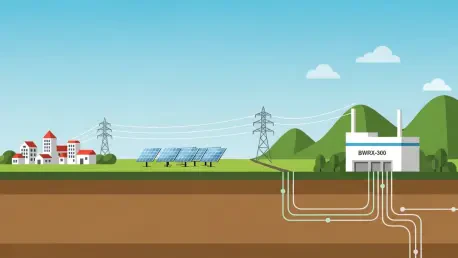
This regulatory advancement for the BWRX-300 is set against the backdrop of the UK’s urgent and complex energy challenges. The nation is committed to achieving net-zero greenhouse gas emissions while simultaneously ensuring a secure and reliable energy supply, a task made more difficult by geopolitical volatility and the intermittency of renewable power sources. Advanced nuclear technologies, particularly SMRs, are increasingly seen as an indispensable tool for bridging this gap. Unlike wind and solar, nuclear power provides firm, dispatchable electricity 24/7, regardless of weather conditions. The BWRX-300, with its 300-megawatt output, offers a scalable solution that can be deployed to stabilize the grid, power heavy industry, or even produce hydrogen for a clean economy. Its smaller physical footprint also opens up a wider range of potential sites, including the possibility of repurposing land at former coal-fired power stations, thereby leveraging existing grid infrastructure and supporting economic transitions in industrial heartlands.
Beyond the immediate goal of generating clean electricity, the progression of SMRs like the BWRX-300 through the UK’s regulatory system is integral to a much larger national industrial strategy. The government’s ambition is not merely to import and operate these reactors but to cultivate a thriving domestic nuclear supply chain capable of manufacturing components, providing specialized services, and creating thousands of high-skilled, long-term jobs across the country. A successful SMR program would position the UK as a global leader in advanced nuclear technology, creating significant export opportunities. The efficient and robust GDA process for the BWRX-300 demonstrates that the UK possesses the regulatory expertise and framework to safely assess and license these next-generation designs. This milestone is therefore not just a technical victory but a critical step toward realizing the immense economic and industrial potential that a revitalized nuclear sector promises for the nation’s future prosperity.
A Foundation for Future Energy
The successful GDA for the BWRX-300 design established a critical foundation, transforming it from a promising concept into a design formally recognized as suitable for potential deployment in Great Britain. This rigorous process, completed with unprecedented efficiency, validated the reactor’s fundamental safety and environmental credentials. The achievement was underpinned by high-quality preparation from the developer and a forward-thinking, collaborative approach among international regulators, which together created a new blueprint for assessing advanced technologies. This milestone has now shifted the focus from regulatory theory to commercial reality, setting the stage for the crucial next steps of site selection, public engagement, and final investment decisions that will ultimately determine if this approved design becomes a physical part of the UK’s energy infrastructure.