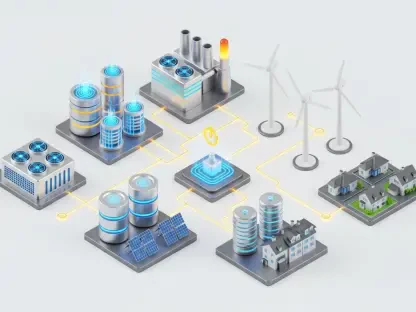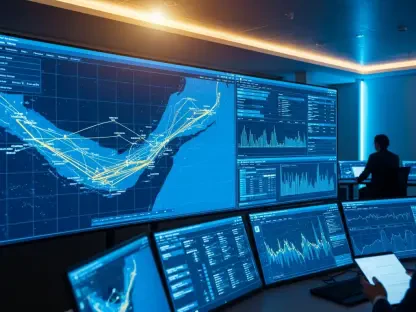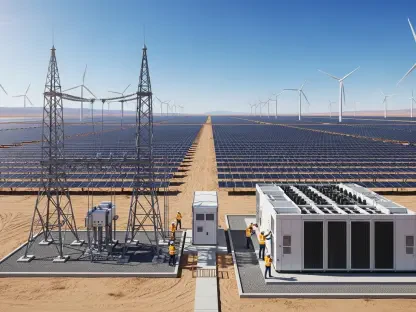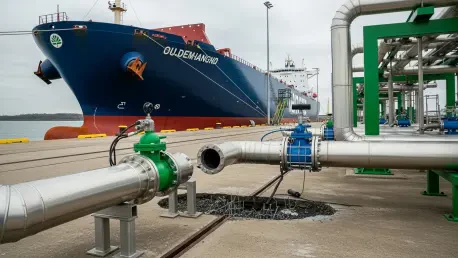

A comprehensive new analysis reveals Europe’s significant potential to power the future of maritime transport with clean energy, yet this ambitious vision is encountering formidable headwinds that threaten to stall its progress. Across the continent, a network of 80 pioneering projects stands ready to produce over 3.6 million tonnes of oil equivalent in green hydrogen, e-methanol, and e-ammonia by 2032. Nations such as Spain, Denmark, Norway, and France are leading this charge, with Portugal and Finland also making important strides in developing the infrastructure for a decarbonized shipping industry. This collective effort represents a critical step toward reducing the sector’s heavy carbon footprint and enhancing Europe’s energy independence. Despite the promising landscape and advanced planning, however, the transition from potential to tangible production is proving to be a slow and uncertain journey, as a disconnect between producers and consumers casts a shadow over the green fuel revolution.
The Bottleneck of Investment and Demand
The primary challenge slowing Europe’s green fuel ambitions is a pervasive uncertainty that has left many promising projects in limbo, with a large number yet to reach a final investment decision. This hesitation is not rooted in a lack of technological capability but rather in a precarious deadlock between supply and demand. Fuel producers are facing immense financial risk and are reluctant to commit the necessary capital without strong, long-term purchasing commitments from the shipping industry. Simultaneously, shipping companies are hesitant to invest in new vessel technologies and sign binding offtake agreements without clearer and more stringent regulatory signals that guarantee a level playing field. This stalemate is exacerbated by the finding that only about half of the projected e-fuel volume is specifically earmarked for the maritime sector, which further weakens the business case for producers looking for a reliable market for their innovative but costly fuels.
Charting a Course with Policy and Support
To overcome these hurdles, a series of strategic interventions from the European Union were put forward as essential catalysts for action. The core of these recommendations centered on creating a more robust and predictable market by establishing more ambitious green fuel mandates for the shipping industry. Such regulations were designed to generate the sustained demand necessary to give producers the confidence to proceed with their investments. Additionally, a crucial financial solution was proposed: leveraging the proceeds from the EU Emissions Trading System (ETS) to provide direct capital injections, or “hard cash,” to support these vital e-fuel projects. This financial backing was seen as a critical tool for de-risking investments and accelerating the scaling-up process. Ultimately, the successful expansion of e-fuel production was positioned as a multifaceted victory that bolstered Europe’s industrial leadership, created skilled jobs, and reduced its reliance on imported fossil fuels.