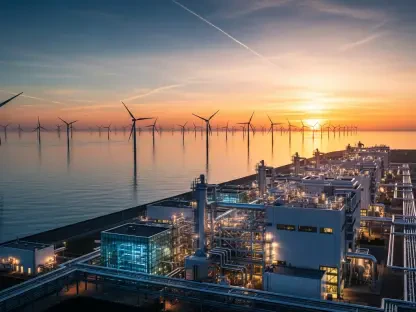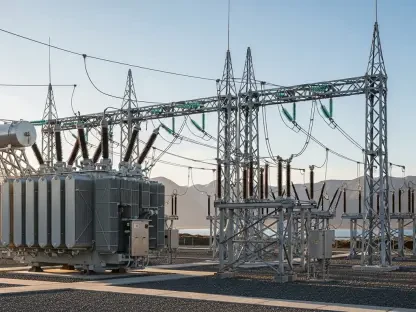

As urban centers worldwide grapple with the persistent challenge of reducing their carbon footprint, Lithuania’s capital is launching a decisive strike against transportation emissions. Vilnius is set to pioneer a significant environmental initiative by constructing a 3 MW green hydrogen production facility, a project singularly dedicated to powering its public bus fleet. This ambitious undertaking represents a strategic pivot in urban energy policy, consciously directing substantial resources toward decarbonizing public transit rather than augmenting the residential power grid. The move signals a clear commitment to tackling the root causes of city-level pollution, positioning Vilnius as a forward-thinking leader in the transition to sustainable urban mobility. By creating its own source of clean fuel, the city is not just adopting new technology but is building a self-sufficient ecosystem for a zero-emissions future, setting a powerful precedent for other municipalities to follow in the ongoing effort to create cleaner, healthier urban environments for their citizens.
A Strategic Partnership for a Cleaner Future
The realization of this innovative green hydrogen facility is anchored in a robust public-private collaboration, a testament to the shared vision for a sustainable future among key stakeholders. The project is being jointly executed by MT Group, Vilnius Heat Networks, and the Vilnius City Municipality, bringing together industrial expertise, public utility management, and municipal governance. This cooperative framework is essential for navigating the complexities of such a large-scale infrastructure project, valued at approximately $13.5 million. The financial architecture is equally strategic, employing a blended model to secure the necessary capital. A significant 70% of the funding is sourced from European Union structural funds, highlighting the project’s alignment with broader European green energy goals. The remaining 30% is contributed by the Vilnius city municipality, demonstrating a strong local commitment to the initiative. This financial synergy ensures the project’s viability while distributing the investment burden, creating a model for funding future sustainable infrastructure projects across the region and beyond.
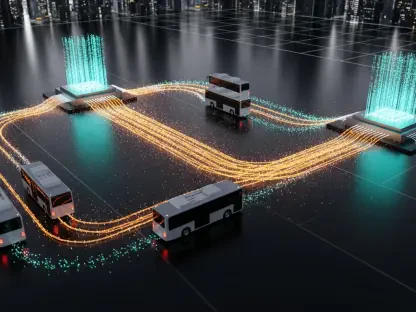
The core technology of the facility is electrolysis, a process that uses renewable electricity to split water molecules into hydrogen and oxygen, guaranteeing a completely carbon-free fuel source. The initial and most direct application of this green hydrogen will be to power a new fleet of 16 fuel-cell public buses, which will replace their diesel-powered predecessors. This transition is poised to deliver a substantial and immediate environmental benefit, with projections indicating an annual reduction of 1,414 tonnes of carbon dioxide emissions within the city. To put the facility’s 3 MW capacity into perspective, it is equivalent to the amount of electricity required to power up to 3,000 homes, underscoring the significant scale of this investment in clean transport. By strategically focusing this considerable energy output on Vilnius, the nation’s most populous and busiest urban center, the initiative directly targets the area with the highest concentration of transportation-related pollution. This targeted approach ensures that the environmental impact is maximized, providing tangible improvements in air quality for the city’s residents.
Paving the Way for National and European Ambitions
This pioneering project in Vilnius is more than just a localized effort to clean up city air; it serves as a cornerstone of Lithuania’s broader national strategy for energy and economic development. The initiative is a clear signal of the country’s ambition to establish itself as a significant and competitive player within the rapidly expanding European hydrogen production and supply market. By successfully implementing a state-of-the-art green hydrogen facility, Lithuania is not only advancing its own decarbonization goals but is also building critical expertise and infrastructure that will be invaluable in the continental energy transition. The Vilnius facility will function as a powerful proof-of-concept, demonstrating the practical viability and economic feasibility of using green hydrogen to power heavy-duty public transportation. This successful deployment is expected to create a ripple effect, encouraging similar investments and projects in other Lithuanian cities and potentially attracting international partners looking to engage with the burgeoning hydrogen economy in the Baltic region.
The decision to channel significant resources into this green hydrogen plant reflected a deliberate and forward-looking commitment to long-term sustainability and energy independence. The collaborative effort between municipal bodies and private industry established a successful blueprint for future green infrastructure projects. By proving that a city could generate its own clean fuel for public transport, the initiative not only drastically reduced Vilnius’s carbon emissions but also bolstered the nation’s energy security. This landmark project did not merely replace a few dozen diesel buses; it laid the foundational infrastructure and policy framework that enabled a broader transition across the country. The success in Vilnius catalyzed further investment, positioning Lithuania as a credible and influential leader in Europe’s green hydrogen sector and inspiring a new wave of innovation in sustainable urban mobility.