
The sudden and volatile disruption of global energy corridors has transformed the quiet installation of a rooftop solar panel into a critical act of national defense for the modern British household. As the Strait of Hormuz remains a focal point of geopolitical tension, the vulnerability of the United Kingdom to distant conflicts has never been more apparent. This realization is driving a fundamental shift in how the nation views its housing stock, moving from a model of passive consumption to one of active, localized generation.
The Dawn of Energy Sovereignty in the British Housing Sector
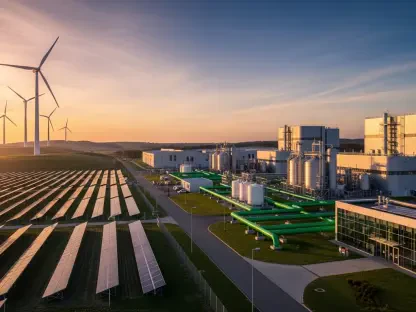
The shift from global fossil fuel reliance toward localized renewable energy generation represents a structural pivot in the British economy. By integrating power generation directly into the residential fabric, the government aims to insulate the public from the price spikes that inevitably follow international instability. The Future Homes Standard serves as the primary instrument for this transformation, redefining national security through the lens of domestic infrastructure rather than just military or diplomatic maneuvers.
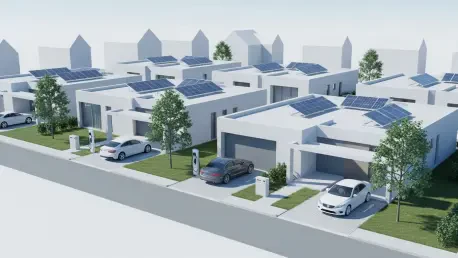
Key stakeholders, including the current Labour government and innovative energy providers like Octopus Energy, are collaborating with large-scale property developers to normalize this transition. While the immediate catalyst was the blockage of the Strait of Hormuz, the long-term goal is a self-sustaining energy ecosystem. This strategy ensures that every new home built acts as a micro-power plant, contributing to a collective buffer against the whims of foreign energy markets and ensuring economic stability for the next generation of homeowners.
Accelerating the Transition: Market Drivers and Growth Potential
Geopolitical Volatility and the Consumer Pivot Toward Solar
Recent Middle Eastern conflicts have acted as a harsh wake-up call for domestic energy priorities, fundamentally altering consumer behavior across the country. There has been a notable surge in household demand for solar technology, as families seek a tangible defense against international price shocks that threaten their disposable income. This shift illustrates how the concept of energy sovereignty is rapidly replacing traditional environmentalism as the primary driver for clean power adoption among the general public.
Projected Performance of the Residential Renewables Market
Market analysts expect a period of intense growth for the solar and heat pump industries between 2026 and the 2028 mandate. Data-driven insights suggest that these technologies will lead to a permanent reduction in household energy expenditures, providing a much-needed boost to the broader economy. These economic indicators point toward a decisive market shift where electrification and decentralized power grids become the standard, rather than a luxury or a niche environmental choice.
Navigating Economic Friction and Political Counterarguments
The path toward a renewable future is not without its internal friction, as the debate between immediate North Sea oil and gas expansion and long-term green investment continues. Proponents of traditional energy argue that new licenses are necessary to provide immediate relief to consumers struggling with high costs. However, the government remains focused on the long-term resilience provided by renewables, viewing North Sea projects as temporary measures that do not address the core issue of international dependency.
Beyond the political sphere, supply chain logistics for solar panels and low-carbon heating systems present significant hurdles for the construction industry. Developers have voiced concerns regarding the upfront costs of these mandates and the potential impact on housing affordability in an already strained market. Strategic responses to these challenges involve scaling up domestic manufacturing and streamlining regulatory approvals to ensure that the transition remains economically viable for both builders and buyers.
The Legal Framework of the Future Homes Standard
The 2028 regulations represent a landmark piece of legislation, mandating that all new residential properties include on-site renewable generation. This legal framework requires the installation of solar arrays and the integration of low-carbon heating systems, effectively ending the era of the traditional gas boiler in new builds. These measures are specifically designed to decouple the UK economy from the volatile international markets that have historically dictated domestic energy prices.
Compliance requirements are rigorous, focusing on maximizing the efficiency of every square foot of new development. Security standards are being woven into the building codes to ensure that the decentralized grid is robust and protected from digital threats. This regulatory environment creates a predictable landscape for investors, signaling a clear end to the dominance of fossil fuels in the residential sector and setting a firm timeline for the country’s energy independence.
Global Geopolitics and the Future of Renewable Infrastructure
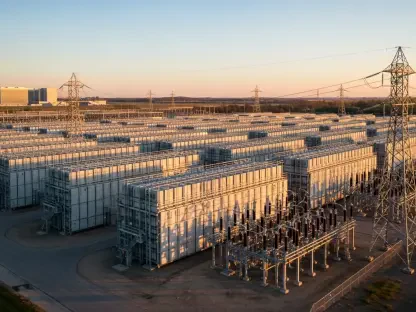
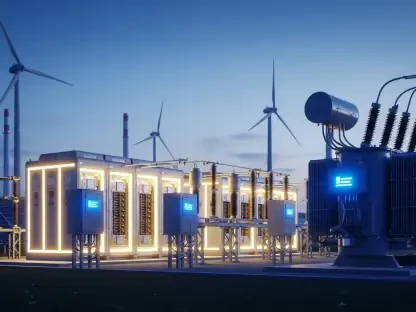
British policy is currently being mirrored by various international responses to the global energy crisis, such as fuel rationing in Slovenia and strict price caps in Greece. These global trends highlight a consensus that renewable infrastructure is no longer just a climate objective but a fundamental pillar of national defense. Emerging technologies in energy storage and smart grid integration are expected to support the 2028 mandate, allowing the UK to manage its power resources with unprecedented precision and resilience.
Securing a Resilient Future Through Distributed Generation
The implementation of the solar mandate proved to be a strategic necessity for maintaining national stability during a period of unprecedented global unrest. Investors and policymakers found that the transition from fossil fuel dependency to a self-sustaining energy economy required a radical rethinking of the relationship between the state and the private citizen. It became clear that the decentralization of power was the most effective way to shield the economy from external shocks. Future initiatives should focus on expanding battery storage capacity and upgrading the national grid to handle the influx of residential power, ensuring that the infrastructure established today remains a cornerstone of British resilience for decades.