
In a decisive move that charts a firm course through years of political turbulence on energy policy, South Korea has officially approved the construction of two new large-scale nuclear power plants. This landmark decision marks a significant consolidation of the nation’s long-term energy strategy, moving beyond the recent vacillation between pro- and anti-nuclear stances that have characterized successive governments. The new reactors, slated for completion by 2037 and 2038, represent a substantial investment in atomic energy as a cornerstone of the country’s power grid. This commitment is a central feature of the newly unveiled 11th Basic Plan for Electricity Supply and Demand, a comprehensive roadmap that will guide South Korea’s energy sector until 2038. The plan not only reinforces the role of traditional nuclear power but also signals a forward-looking embrace of next-generation technology, laying the groundwork for the deployment of the country’s first commercial small modular reactor (SMR) by 2035. This dual approach underscores a renewed national consensus on the indispensable role of nuclear energy in ensuring a stable, low-carbon future.
A Renewed Commitment to Atomic Energy
The 11th Basic Plan for Electricity
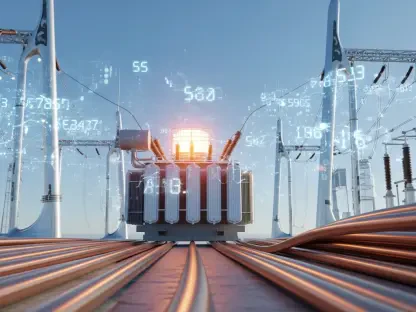
The approval for the new reactors is embedded within the comprehensive framework of the 11th Basic Plan for Electricity Supply and Demand, a critical policy document that outlines South Korea’s energy vision for the next decade and beyond. This strategic plan is not merely a technical blueprint but a reflection of the nation’s priorities, balancing economic growth, energy security, and environmental obligations. The decision to proceed with two additional large-scale nuclear power plants, with targeted operational dates of 2037 and 2038, solidifies nuclear power’s position as a baseload energy source intended to anchor the national grid for decades. This move is seen as essential for powering the country’s advanced industrial economy, which includes energy-intensive sectors like semiconductor and battery manufacturing. The long-term planning horizon of the document, extending to 2038, provides much-needed predictability for industry and investors, signaling a stable policy environment after a period of significant uncertainty and politically driven reversals regarding the future of atomic energy.
Beyond the commitment to conventional reactor technology, the 11th Basic Plan for Electricity Supply and Demand introduces a forward-looking dimension to South Korea’s nuclear ambitions by incorporating advanced atomic technologies. A key pillar of this strategy is the planned deployment of the nation’s first commercial small modular reactor (SMR) by 2035. This initiative positions South Korea at the forefront of a global trend toward smaller, more flexible nuclear power sources. SMRs offer several potential advantages over their larger counterparts, including enhanced safety features, lower upfront capital costs, and the ability to be sited in locations unsuitable for large-scale plants. For a densely populated and highly industrialized nation like South Korea, the development and commercialization of SMR technology could be transformative, offering a scalable solution to meet localized energy demands and complement the existing fleet of large reactors. This dual-track approach—expanding the fleet of large reactors while pioneering SMRs—demonstrates a sophisticated and diversified strategy to secure a low-carbon energy future.
The Politics of Power Generation
South Korea’s nuclear energy policy has been a subject of intense political debate and dramatic shifts, often mirroring the changing ideological leanings of its presidential administrations. The recent decision to build new reactors is the latest chapter in this ongoing saga. It represents a firm continuation of the pro-nuclear direction set by President Yoon Suk Yeol, whose term from 2022 to 2025 was defined by a deliberate reversal of the nuclear phase-out policy championed by his predecessor, Moon Jae-in (2017-2022). President Moon’s administration had actively sought to reduce the country’s reliance on nuclear power, halting the construction of new plants and pledging to not extend the lifespans of existing ones. This created a period of significant uncertainty for the domestic nuclear industry and its international partners. The subsequent return to a pro-nuclear stance under President Yoon was aimed at revitalizing the sector, preserving South Korea’s technological leadership in nuclear engineering, and ensuring a stable energy supply. The current administration’s decision builds directly upon that foundation, turning a policy reversal into a long-term strategic commitment.
The path to the current decision was not without its own political hurdles, reflecting the complex and often contentious nature of energy policy. The current president, Lee Jae Myung, had initially adopted a more cautious and skeptical tone regarding the construction of new nuclear facilities. Early in his tenure, he expressed a preference for prioritizing renewable energy sources and called for a “public consensus process” to deliberate on the future of nuclear power, briefly pausing the momentum established by his predecessor. This move was interpreted by many as a potential return to a more ambivalent, if not outright critical, stance on atomic energy. However, the administration’s ultimate decision to greenlight the two new reactors indicates a significant evolution in its position. This shift suggests a pragmatic recognition of nuclear power’s role in meeting both energy demand and climate targets, heavily influenced by overwhelming public support and the strategic imperatives outlined in the nation’s long-term energy planning, ultimately prioritizing national consensus over initial political leanings.
The Decisive Role of Public Opinion
A Mandate from the People
A pivotal factor driving the government’s definitive move to expand its nuclear capacity has been the clear and compelling voice of the South Korean public. Recent government-commissioned polls have revealed a powerful national consensus in favor of atomic energy, providing a strong political mandate for the new construction projects. The survey results were striking, with an average of 80% of respondents affirming their belief that nuclear power is a necessary component of the country’s energy mix. This broad-based support underscores a widespread understanding of the role nuclear plays in providing reliable and carbon-free electricity. Furthermore, the support was not merely abstract; when asked specifically about the expansion of the nuclear fleet, 60% of South Koreans expressed direct support for building additional plants. This robust public backing appears to have been instrumental in solidifying the Lee administration’s decision, providing the political cover needed to move past initial hesitation and commit to a long-term, capital-intensive infrastructure project. The strong public mandate effectively transformed the debate from a contentious political issue into a matter of national strategic interest.
A Solidified Nuclear Foundation
The decision to proceed with two new large-scale reactors, in conjunction with the ongoing work on Saeul-3 and -4, cemented nuclear power’s foundational role in South Korea’s energy portfolio. The nation already operated a formidable fleet of 26 reactors, which collectively supplied 31.7% of the country’s total electricity in 2024, and this expansion signaled an unwavering commitment to maintaining and growing that capacity. This strategic choice was the culmination of a period of intense policy re-evaluation, where the imperatives of energy security, economic stability, and decarbonization converged. The overwhelming public support for nuclear energy provided the final impetus, allowing policymakers to transcend the political indecision of previous years. The outcome was a clear and forward-looking energy strategy that embraced both proven large-scale reactor technology and the promise of innovative small modular reactors, ensuring that atomic energy would remain a central pillar of the nation’s power generation for the foreseeable future.