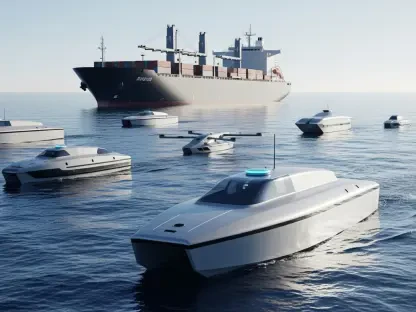

Imagine a world where the vast, powerful engines of deep-sea shipping no longer belch out heavy carbon emissions, but instead run on a cleaner, scalable alternative that’s already within reach. That’s the promise methanol holds as it steadily emerges as a game-changer in the maritime industry. With global pressure to decarbonize shipping intensifying, this fuel is capturing attention for its potential to slash greenhouse gas emissions while leveraging existing technologies. Supported by industry giants and technical advancements, methanol is carving out a space as a practical solution. Yet, the journey isn’t without hurdles, as economic and logistical challenges loom large. Diving into this evolving landscape reveals a story of innovation, ambition, and the complex realities of transforming one of the world’s most vital industries.
Exploring Methanol’s Rise in Shipping
Technical Readiness and Industry Adoption
Methanol’s ascent in the maritime sector is no longer just a concept—it’s a reality backed by hard numbers and operational success. Over 450 vessels, either in service or under construction, are equipped to run on this fuel, showcasing a remarkable level of confidence among shipowners. Classification societies have highlighted that methanol-fueled engines and systems are at high readiness levels, meaning the technology isn’t experimental but proven. Major ship types can now adopt these solutions without requiring groundbreaking overhauls. What’s more, global production sites and storage facilities already exist, smoothing the path for integration. A significant chunk of this momentum comes from regions like China, which accounts for a hefty portion of planned low-emission methanol production capacity. This isn’t a futuristic dream; it’s a framework that’s actively taking shape, driven by a blend of innovation and strategic investment across the shipping world.
Transitioning from raw potential to tangible impact, the infrastructure supporting methanol’s adoption adds another layer of credibility. Ports around the globe are increasingly compatible with methanol bunkering, reducing the complexity and cost for operators looking to make the switch. Interim solutions for fuel supply are also in place, ensuring that shipowners aren’t left stranded while permanent systems scale up. This compatibility with existing setups is a crucial edge over other alternative fuels that often demand entirely new ecosystems. Additionally, the environmental upside of certain methanol variants, like bio- and e-methanol, can’t be ignored—some pathways even promise negative lifecycle emissions. This positions methanol as not just a stopgap but a potentially transformative option in the push for greener shipping. The technical groundwork is laid; now, the focus shifts to scaling these advantages into widespread practice.
Environmental Promise and Global Impact
Beyond the nuts and bolts of technology, methanol’s appeal lies in its environmental credentials, which are turning heads across the industry. Certain production methods, particularly those involving bio-based or synthetic processes, offer a dramatic reduction in greenhouse gas output compared to traditional fuels. This isn’t just about meeting regulations—it’s about redefining what shipping can achieve in the fight against climate change. With global production capacity for low-emission methanol expanding rapidly, there’s a real chance to make a dent in the sector’s carbon footprint. The numbers speak for themselves: a significant share of planned capacity is geared toward sustainable variants, signaling a shift that could reshape maritime emissions profiles in the coming years. This environmental edge is a compelling argument for methanol’s role in a cleaner future.
However, the environmental story isn’t a simple victory lap—there are nuances that demand attention. While methanol offers clear benefits over conventional fuels, its impact depends heavily on how it’s produced and sourced. Not all methanol is created equal; pathways with higher carbon footprints can undermine the fuel’s green potential if not carefully managed. Moreover, the energy-intensive nature of some production methods raises questions about overall sustainability. Still, the industry’s focus on cleaner variants shows a commitment to tackling these issues head-on. As production scales and technology improves, the balance could tip further in favor of methanol as a cornerstone of eco-friendly shipping. The global push for decarbonization isn’t slowing down, and methanol’s ability to align with these goals keeps it firmly in the spotlight as a solution worth watching.
Challenges and Future Pathways
Economic and Logistical Barriers
Despite the enthusiasm surrounding methanol, the road to widespread adoption is far from smooth, with economic hurdles casting a long shadow over its prospects. The cost of methanol, especially the greener variants, remains a sticking point for many shipowners already grappling with tight margins. Production and supply chain constraints add to the price tag, making it a less attractive option compared to cheaper, dirtier fuels in the short term. Availability is another thorn in the side—while infrastructure is growing, it’s not yet ubiquitous, leaving gaps in regions where bunkering options are limited. These financial and logistical realities dampen the pace of adoption, even as the technology itself stands ready. For methanol to truly take hold, the industry must find ways to bridge these gaps without breaking the bank.
On the flip side, the operational challenges of integrating methanol into daily shipping routines can’t be overlooked. Retrofitting vessels or building new ones to handle this fuel requires upfront investment, which can deter smaller operators. Regulatory uncertainty also plays a role—without clear, consistent policies incentivizing alternative fuels, hesitation lingers. Industry leaders acknowledge that methanol isn’t a universal fix; different shipping segments and regions face unique constraints that demand tailored solutions. Yet, there’s a silver lining in the gradual buildup of interim bunkering solutions and pilot projects that ease the transition. Addressing these barriers will take a mix of innovation, policy support, and economic incentives, but the foundation is there. The question remains how quickly these pieces can come together to turn methanol from a promising option into a mainstream reality.
Real-World Testing and Industry Leadership
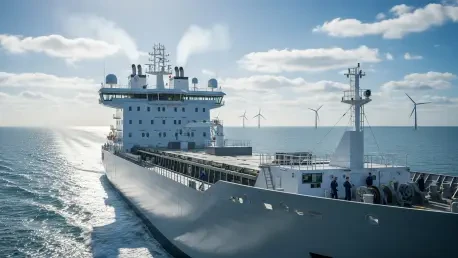
One of the brightest spots in methanol’s story is the hands-on progress made by industry pioneers pushing the boundaries of what’s possible. A standout example is the work done by leading shipping companies testing methanol under real-world conditions. A 2,100-TEU containership has been running successfully on methanol for several years, proving that this fuel can handle the rigors of deep-sea operations. Now, experiments with new blends, such as a mix of methanol and ethanol, are underway to refine performance and scalability. These trials aren’t just lab exercises—they’re conducted on active routes, offering invaluable data on reliability and efficiency. Such initiatives reflect a broader industry commitment to not just adopt but perfect methanol as a viable fuel source.
Taking a closer look at these efforts reveals a pragmatic yet forward-thinking approach shaping methanol’s future. Senior managers in the field have emphasized the importance of testing diverse fuel pathways to meet stringent climate goals. Each trial builds a stronger case for methanol, addressing concerns about compatibility and long-term use while inspiring confidence among stakeholders. Beyond individual companies, these projects contribute to a growing body of knowledge that benefits the entire sector. Classification societies and regulatory bodies are taking note, using these real-world results to inform guidelines and standards. As more players join the fray, the collective push could accelerate methanol’s integration into mainstream shipping. The momentum is palpable, but it’s clear that sustained effort and collaboration will be key to overcoming remaining doubts.
Reflecting on Methanol’s Journey
Looking back, methanol’s emergence as a marine fuel contender unfolded as a tale of bold innovation tempered by persistent challenges. Industry giants and technical experts alike tackled the complexities of adoption, from proving engine reliability to navigating cost barriers. Real-world trials demonstrated what was possible, while environmental benefits underscored why it mattered. Even as logistical hurdles slowed progress, the groundwork laid through infrastructure development and policy discussions kept hope alive. The maritime sector’s commitment to decarbonization found a willing ally in methanol, though it was always understood to be just one piece of a larger puzzle. Reflecting on these strides, the focus now shifts to actionable next steps—scaling production, refining economic models, and fostering global cooperation to ensure methanol’s potential isn’t just a fleeting promise but a lasting solution for a greener shipping future.