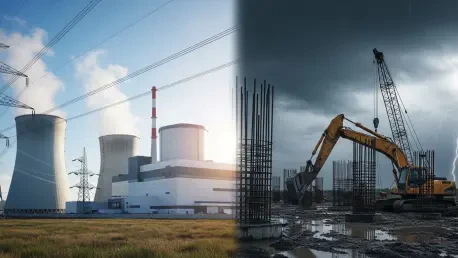

In an ironic twist of market economics, the very success of France’s resurgent nuclear fleet is now casting a long shadow over its future, as falling electricity prices threaten to derail the nation’s ambitious energy strategy. Electricite de France (EDF), the state-owned utility, finds itself at a critical crossroads where its operational achievements are creating financial headwinds, questioning the viability of its long-term nuclear expansion plans. This emerging conflict between market reality and strategic ambition presents a formidable challenge not just for EDF, but for Europe’s broader energy security and decarbonization goals.
France’s Nuclear Cornerstone: EDF’s Role in European Energy
As the backbone of France’s power grid, EDF has long been a pillar of the nation’s energy sovereignty. Its extensive, albeit aging, nuclear fleet provides a steady and low-carbon source of electricity that is central to both national security and its commitments under European Union climate policies. The strategic importance of this infrastructure cannot be overstated, as it forms the foundation of the country’s plan to achieve carbon neutrality.
The push for decarbonization across the EU has placed nuclear power in a renewed spotlight. However, market dynamics are complex, with policies promoting renewables and integrated European energy markets influencing pricing and investment signals. For EDF, this means navigating a landscape where the strategic value of its assets must contend with increasingly volatile market forces.
Shifting Currents: Market Dynamics and Financial Forecasts
The Price Plunge: Unpacking the Market Downturn
A significant factor in the current market downturn is the power surplus that emerged following the 2022 energy crisis. As industries curtailed consumption, demand for electricity fell, and it has yet to fully recover. This has created a supply glut that exerts constant downward pressure on wholesale prices.
Compounding this issue, the anticipated surge in electricity demand from widespread electrification, including electric vehicles and heat pumps, is materializing more slowly than expected. Furthermore, EDF’s own success in improving the availability and output of its nuclear fleet has ironically added more supply to the market, further suppressing the prices needed to fund future investments.
A Diminished Outlook: EDF’s Financial Projections
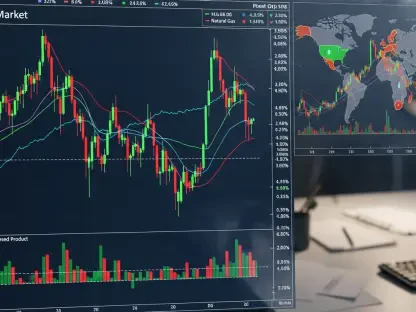
This challenging market environment is reflected in stark financial forecasts. Fitch Ratings anticipates a substantial drop in EDF’s annual earnings (EBITDA), projecting a decline from 36.5 billion euros to a range of 20 to 25 billion euros in the coming years. This forecast is largely driven by a 30% decline in the average French power price for 2026, which has fallen to its lowest point since mid-2018.
Such a significant reduction in earnings has direct consequences for the utility’s financial health. It weakens EDF’s capacity to manage its debt leverage and poses a risk to its investment-grade credit rating. A lower credit rating would increase the cost of borrowing, making it more difficult and expensive to finance the massive capital expenditures required for its nuclear ambitions.
The Generation Paradox: When Success Becomes a Liability
The core challenge for EDF is a profound paradox: its improved operational performance is actively undermining its long-term financial stability. By increasing nuclear production, the utility helps ensure energy supply but simultaneously drives down the very market prices required to justify and fund the next generation of nuclear reactors and essential fleet maintenance.
This dynamic creates an acute financial strain as the company juggles two colossal, capital-intensive objectives. It must fund a maintenance program for its existing fleet projected to cost over 100 billion euros by 2035 while also financing the construction of six new, multi-billion-euro reactors. Pursuing this dual strategy in an environment of revenue uncertainty is a high-stakes gamble.
Navigating the Headwinds: Policy and Regulatory Levers
The current regulatory framework for French electricity pricing was not designed for this unique low-price environment, revealing its limitations in supporting long-term, capital-intensive projects. The reliance on wholesale market prices fails to provide the stable, predictable revenue streams that are essential for investments on the scale of new nuclear builds.
To address this, potential government interventions and market reforms are being considered. One prominent solution involves the use of long-term contracts, such as Contracts for Difference (CfDs). These instruments would de-risk new nuclear investments by guaranteeing a stable price for the electricity produced, thereby protecting EDF’s revenue from market volatility and ensuring the financial viability of its projects.
A Crossroads for Nuclear: Charting EDF’s Path Forward
In the long term, electricity demand is widely expected to rise, driven by the electrification of transport and heating, as well as the growing energy needs of data centers. However, the timing and pace of this demand growth remain a critical uncertainty, making it difficult to align massive, decade-long investment cycles with near-term market signals.
The energy mix is also being reshaped by potential market disruptors. The expansion of intermittent renewables like wind and solar, coupled with the advent of large-scale energy storage, will continue to alter market dynamics. This raises a crucial question: whether the current price slump is a temporary hurdle or a systemic threat to the economic model underpinning Europe’s planned nuclear renaissance.
Securing the Future: Balancing Ambition with Economic Reality
The prevailing situation highlights a critical conflict between EDF’s strategic goals and the economic realities of the current energy market. The utility’s ambition to be a leader in Europe’s carbon-neutral future is at odds with a pricing environment that does not adequately value long-term energy security and stability.
This predicament underscores the urgent need for a more sustainable financial model for critical energy infrastructure. A robust policy framework is essential to ensure the financial viability of nuclear power. Such a framework must provide the long-term revenue certainty required to support capital-intensive projects, solidifying nuclear’s role as a key pillar of energy security and decarbonization for decades to come.