
In a landmark move that signals a seismic shift in global energy logistics, Japan’s largest power company is orchestrating the development of the world’s first commercial-scale supply chain dedicated to low-carbon ammonia. This ambitious initiative, led by JERA, aims to fundamentally reshape Japan’s energy landscape by creating a direct pathway to substitute coal in its power plants with a cleaner-burning fuel sourced from the United States. The strategy represents a cornerstone of the nation’s broader decarbonization agenda, tackling the immense challenge of transitioning a major industrial economy away from its reliance on fossil fuels. By establishing a robust trans-Pacific connection for this next-generation fuel, the project not only provides a tangible roadmap for Japan’s climate goals but also sets a powerful precedent for how international collaboration and technological innovation can forge new, sustainable energy paradigms. This comprehensive effort is poised to accelerate the global adoption of ammonia as a key player in the clean energy transition.
A Trans-Pacific Partnership for a Cleaner Future
At the heart of this international energy venture is the development of the new Blue Point ammonia production facility, strategically located in Louisiana. This plant is the result of a powerful joint venture that brings together JERA with industrial giants CF Industries and Mitsui & Co. With a projected investment of $4 billion, the facility is on track for a 2029 launch, at which point it is expected to become the largest ammonia plant in the world. Its production capacity is set at an impressive 1.4 million tons annually, utilizing a process that converts natural gas into ammonia while integrating advanced carbon capture technology to minimize its environmental footprint. JERA has solidified its central role in the project by acquiring a 35% interest and, more critically, securing offtake agreements that guarantee a steady supply for its power generation needs back in Japan. This facility is not merely a production site; it is the foundational anchor of an entirely new energy supply chain designed to bridge continents and fuel a cleaner future.
Forging a New Energy Supply Chain
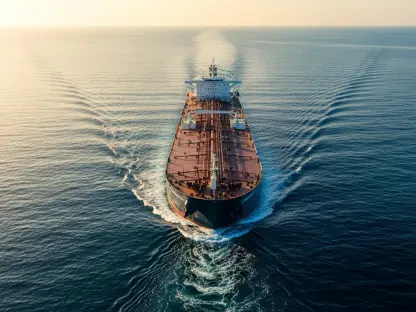
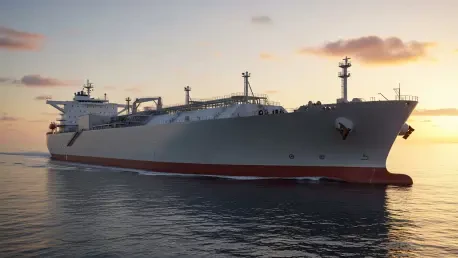
The successful establishment of this energy corridor was contingent not just on production but on creating a sophisticated and reliable transportation network. To this end, JERA finalized pivotal time charter contracts with two of Japan’s premier shipping companies, NYK and Mitsui O.S.K. (MOL). These agreements secured a fleet of four very large gas carriers (VLGCs) that were specifically designed and commissioned for the long-haul transport of ammonia. This decisive action followed years of meticulous collaborative studies and a successful demonstration test conducted in 2024, which proved the viability of the concept. A groundbreaking aspect of this logistical framework was the forward-looking plan to eventually power these new vessels with the very ammonia they transport, creating a virtuous cycle that further reduces the carbon footprint of the entire supply chain. The comprehensive development of both the specialized production and dedicated transport infrastructure marked a significant and tangible step, cementing ammonia’s future as a viable global fuel for both power generation and maritime transport.