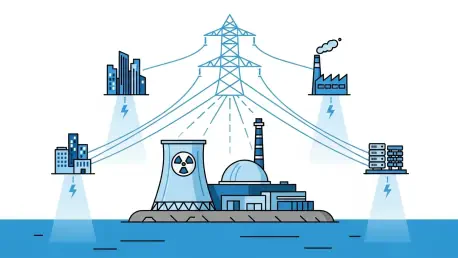

Nearly a decade and a half after the Fukushima Daiichi nuclear disaster prompted a nationwide shutdown of its atomic energy program, Japan is signaling a profound shift in its national energy strategy with the restart of the Kashiwazaki-Kariwa nuclear power plant. This facility, the largest of its kind in the world, marks a pivotal moment in the country’s cautious re-embrace of nuclear power. The move is not merely a technical reactivation but a complex national reckoning, balancing the pressing demands of economic stability and climate commitments against the deeply ingrained public apprehension stemming from the 2011 catastrophe. This pragmatic, albeit controversial, decision aims to reverse a costly dependency on imported fossil fuels that has defined Japan’s energy landscape for years, setting the stage for a critical test of both technological resilience and public trust that carries global implications for the future of atomic energy.
An Economic and Environmental Imperative
Following the events of 2011, Japan’s complete shutdown of its nuclear reactors led to a heavy reliance on imported fossil fuels, which now constitute between 60% and 70% of its total power generation. This dependency has come at a staggering economic cost, with import bills reaching approximately $68 billion last year alone, placing a significant strain on the national economy. Before the disaster, nuclear energy was a cornerstone of the country’s power grid, supplying around 30% of its electricity. The restart of Kashiwazaki-Kariwa, joining the 14 other reactors that have already resumed operation, is a direct response to this immense financial pressure. Furthermore, a new wave of energy-intensive infrastructure, particularly the proliferation of AI data centers, is driving electricity demand to new heights. This resurgence of nuclear power is also inextricably linked to Japan’s ambitious climate goals, as the nation aims to achieve net-zero carbon emissions by 2050, a target that is exceedingly difficult to meet without a substantial contribution from a low-carbon energy source like nuclear.
Navigating a Legacy of Distrust
The path to restarting the Kashiwazaki-Kariwa facility was paved with immense scrutiny, a direct consequence of the lingering trauma from the Fukushima meltdown. Public apprehension remains a formidable hurdle, casting a long shadow over the government’s renewed nuclear ambitions. A critical factor amplifying this distrust is that the plant is operated by the Tokyo Electric Power Company (TEPCO), the very same entity that managed the Fukushima facility during the 2011 crisis. This association places TEPCO’s operational procedures and safety culture under an intense microscope, with regulators and the public demanding irrefutable proof of its commitment to preventing a repeat of past failures. The approval for the restart came only after the facility underwent extensive and rigorous safety inspections and upgrades designed to withstand severe natural disasters. Ultimately, this reactivation served as a crucial test case, where the performance of both the plant and its operator was scrutinized to determine the viability and future trajectory of Japan’s nuclear energy program.