
As the world grapples with the urgent need to slash carbon emissions and transition to sustainable energy, the United Kingdom stands at a pivotal crossroads in shaping its clean energy blueprint. Under the leadership of Energy Secretary Ed Miliband, the nation has embarked on an ambitious journey to usher in what has been dubbed a “golden age of nuclear” with initiatives like the development of Small Modular Reactors (SMRs). Yet, a growing chorus of voices questions whether this heavy emphasis on nuclear power might be casting a shadow over other renewable sources like wind and solar. Could this focus divert critical resources and attention from a broader, more diverse energy mix? The stakes are high as global calls for a just transition—echoed at recent international climate summits—demand not only environmental sustainability but also equity in access to clean energy. This debate is more than a policy choice; it’s about envisioning a future that balances security, innovation, and responsibility on a warming planet.
The Nuclear Ambition and Its Promises
The UK government’s vision for nuclear energy is nothing short of transformative, positioning it as a linchpin for a carbon-free future. Spearheaded by projects such as the Wylfa site in Anglesey, the push for SMRs comes with a hefty £2.5 billion investment from industry giants like Rolls-Royce. This flagship initiative is slated to power millions of homes while generating thousands of jobs, breathing new life into long-overlooked regional economies. Proponents argue that nuclear offers a stable, scalable solution to energy demands, unlike the intermittent nature of wind or solar power. Prime Minister Sir Keir Starmer has championed this approach as the largest building program in decades, emphasizing its role in enhancing energy independence. With global energy crises looming, the reliability of nuclear power is seen as a safeguard against volatility, promising a steady supply that renewables alone may struggle to match in the short term. This perspective paints nuclear as a pragmatic cornerstone in the nation’s quest for a cleaner grid.
Moreover, the economic ripple effects of this nuclear resurgence are hard to ignore. Beyond job creation, the development of SMRs is poised to position the UK as a leader in cutting-edge energy technology, potentially opening doors to export opportunities. Government officials highlight that these reactors, with their smaller footprint and modular design, could revolutionize how energy infrastructure is deployed, cutting costs and timelines compared to traditional nuclear plants. This innovation is framed as a win-win: a chance to meet domestic needs while setting a global standard for efficient, low-carbon power. Yet, beneath the surface of this optimistic narrative lies a nagging concern. While the benefits seem clear for the UK’s immediate energy security, the long-term implications of prioritizing nuclear over other renewables remain murky. Critics wonder if this singular focus might limit the nation’s adaptability to emerging technologies and shifting climate goals, potentially locking in a path that’s hard to pivot from.
Critiques of a Nuclear-Centric Strategy
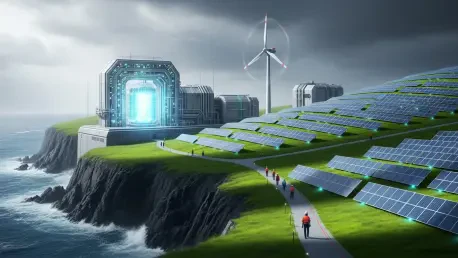
However, not everyone is sold on the idea of nuclear power as the ultimate answer to the UK’s energy challenges. A significant point of contention is the issue of nuclear waste, a byproduct that poses persistent risks for safe storage and disposal over generations. Even though SMRs emit negligible carbon compared to fossil fuels, the environmental footprint of managing radioactive waste cannot be dismissed. Additionally, the choice of coastal sites like Wylfa for nuclear projects raises eyebrows among environmentalists who see these locations as prime spots for harnessing wind and wave energy. These renewable alternatives are often touted as faster to deploy and more cost-effective in the long run. The irony isn’t lost on critics: why pour billions into complex nuclear solutions when nature offers ready-made, underutilized resources? This perspective suggests that an overemphasis on nuclear could starve other green technologies of the funding and policy support they desperately need to scale up.
Furthermore, the opportunity cost of this nuclear focus extends beyond domestic borders. While SMRs might bolster the UK’s energy resilience, they do little to address the global inequalities highlighted at forums like COP30. Vulnerable nations with limited resources struggle to adopt such advanced, capital-intensive technologies, risking being left behind in the shift away from fossil fuels. Critics argue that the UK, as a developed nation, has a moral obligation to champion solutions that prioritize accessibility and equity in the clean energy transition. Instead of focusing on high-tech fixes that primarily benefit local interests, there’s a call for policies that tackle systemic drivers of energy demand, such as consumerism and inefficient production practices. By sidelining these broader issues, the nuclear agenda risks being seen as a superficial patch rather than a comprehensive strategy, potentially undermining global efforts to combat climate change in a truly inclusive manner.
Striking a Balance for a Sustainable Path
In navigating this complex energy landscape, the need for balance becomes glaringly apparent. Nuclear power, with its promise of reliability and economic boosts, undeniably has a role to play in the UK’s transition to a cleaner future. Projects like Wylfa demonstrate tangible progress toward reducing carbon emissions and stabilizing the grid. However, allowing nuclear to dominate the energy narrative risks sidelining the diversity of renewables that could offer quicker, more adaptable solutions. Wind, solar, and wave energy bring their own strengths to the table, often with lower long-term costs and fewer environmental headaches. A strategy that integrates these options alongside nuclear could provide the flexibility needed to meet both current demands and future uncertainties. The challenge lies in crafting policies that allocate resources equitably across technologies, ensuring that no single approach overshadows the potential of others in the race to decarbonize.
Beyond technology, the UK must also confront deeper societal and global responsibilities to ensure a just transition. This means looking past short-term fixes and addressing root causes like overconsumption and wasteful systems that inflate energy needs. Supporting developing nations in accessing affordable clean energy solutions should be as much a priority as domestic innovation. Reflecting on past efforts, the conversation around nuclear and renewables revealed a critical oversight: the failure to prioritize systemic change over singular technological bets. Moving forward, a holistic approach that combines varied energy sources with lifestyle and policy shifts offers the best shot at sustainability. The next steps involve rigorous debate and investment in a balanced portfolio, ensuring that the pursuit of energy security doesn’t come at the expense of a broader, more inclusive renewable vision for the future.