
Introduction
The delicate balance between federal environmental oversight and the operational demands of heavy industry has once again become a point of intense public debate, fueled by a proposal that questions the very mission of the U.S. Environmental Protection Agency. A recent initiative to extend the lifespan of unlined toxic waste pits at several power plants has ignited concerns, placing the agency’s commitment to public health under a critical microscope. This decision touches on complex issues of environmental justice, economic stability, and the nation’s transition toward a sustainable energy future.
This article aims to unpack the layers of this contentious issue by addressing the most pressing questions it raises. By examining the context, the risks, and the arguments from various stakeholders, readers can gain a clearer understanding of what is at stake. The following sections will explore the scientific basis for concern, the economic implications of the decision, and the potential avenues for public response, providing a comprehensive overview of a policy with far-reaching consequences.
Key Questions Unpacked
What Is the Controversy Surrounding Coal Ash Pits
The core of the issue lies with unlined coal ash pits, which are essentially large, unsealed ponds used to dispose of the toxic byproduct of burning coal. These sites contain a cocktail of harmful substances, including carcinogens like arsenic, mercury, and lead. Without a protective liner, these toxins can seep directly into the ground, contaminating the groundwater that often serves as the primary source of drinking water for nearby communities. This leakage poses a direct and significant threat to public health.
This specific controversy was reignited by a recent EPA proposal to allow 11 power plants across seven states to continue using these unlined pits until 2031. This move directly contradicts a 2018 court ruling that mandated the closure of such facilities due to their inherent risks. An original deadline was pushed to 2028 for certain plants, and this new proposal seeks yet another extension, leading critics to accuse the agency of delaying crucial protections and siding with utility interests over the well-being of citizens.
Are There Broader Environmental and Economic Concerns
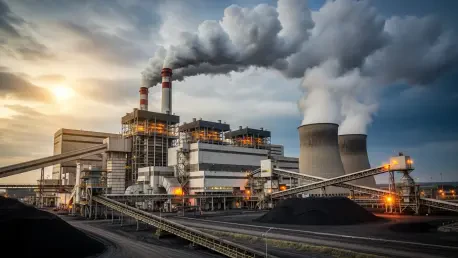
The debate extends far beyond groundwater contamination, touching on the nation’s broader energy and climate policies. The power plants in question are part of an aging fleet of coal-fired facilities, which are among the largest sources of air pollution and heat-trapping gases. Propping up this outdated infrastructure not only perpetuates local health risks but also hinders progress on climate change goals by delaying the necessary shift away from fossil fuels.
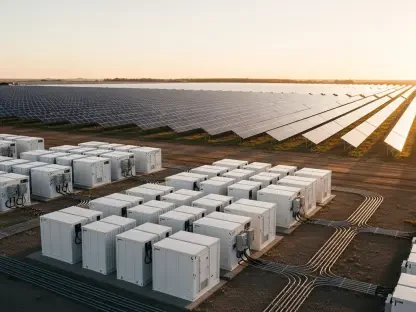
Furthermore, economic analyses increasingly suggest that maintaining these old coal plants is financially unsound. Studies have shown that transitioning to cleaner, renewable energy sources like solar and wind is often cheaper for consumers than continuing to operate and maintain aging coal infrastructure. The decision to grant extensions, therefore, raises questions about whether industry influence is leading to policies that are not only environmentally harmful but also economically disadvantageous for the public.
What Actions Can Be Taken in Response
Faced with regulatory decisions perceived as inadequate, communities and environmental advocates are not without recourse. Legal challenges have proven to be a powerful tool for holding government bodies accountable. For instance, a landmark youth-led lawsuit in Montana successfully established the state’s responsibility for environmental harm, setting a precedent that could inspire similar actions elsewhere. Such litigation can force agencies to adhere to their protective mandates.
Beyond the courtroom, public awareness and community organizing play a critical role. Educating residents about the specific risks of water contamination in their areas can mobilize local opposition and place significant pressure on policymakers. Simultaneously, advocating for an accelerated transition to clean energy systems presents a proactive solution. This approach frames the issue not just as a problem to be stopped but as an opportunity to build a healthier, more sustainable, and economically robust energy future for everyone.
Summary
The ongoing debate surrounding the EPA’s proposal to extend the life of unlined coal ash pits highlights a fundamental conflict between industrial profit and public safety. At the heart of the matter are the documented risks of groundwater contamination from toxic leakage, which directly threatens community health. This specific issue is symptomatic of broader challenges, including the economic inefficiency of maintaining aging coal infrastructure and the urgent need to address climate change by transitioning away from fossil fuels. Potential responses range from legal action, as demonstrated by successful environmental lawsuits, to grassroots campaigns aimed at increasing public awareness and accelerating the adoption of clean energy.
Final Thoughts
The discussion surrounding the EPA’s regulatory choices did more than just question a single policy; it prompted a deeper examination of national priorities. It challenged citizens to consider where the line should be drawn between economic interests and the fundamental right to clean air and water. The outcomes of such debates ultimately shaped the trajectory of the nation’s energy transition and defined the legacy of environmental protection for future generations.