
Beneath the surface of Pennsylvania’s rolling hills and historic landscapes, a silent and insidious crisis is unfolding within the state’s waterways, which serve as the lifeblood for millions of residents. The source of this new threat is a massive and continuous stream of toxic, and often radioactive, solid waste generated by the state’s booming hydraulic fracturing industry. This hazardous byproduct is not being routed to specialized facilities designed to handle its unique chemical and radiological profile but is instead being disposed of in municipal landfills, many of which are fundamentally ill-equipped to contain it. This practice has created a dangerous and poorly understood chemical synergy, as the toxic liquid, known as leachate, seeping from this fracking waste now mixes with Pennsylvania’s legacy of industrial pollution, most notably the acid mine drainage from a century of coal extraction. Experts warn this combination is creating a “toxic cocktail,” a potent and unpredictable mixture whose long-term effects on delicate aquatic ecosystems and public health remain dangerously unknown. The problem is further compounded by systemic regulatory failures and the escalating impacts of climate change, as more frequent and intense rainfall generates a greater volume of contaminated runoff, overwhelming the storage and treatment capacities of these landfills and increasing the likelihood of unpermitted discharges into streams and rivers.
The Unseen Fallout of a Drilling Boom
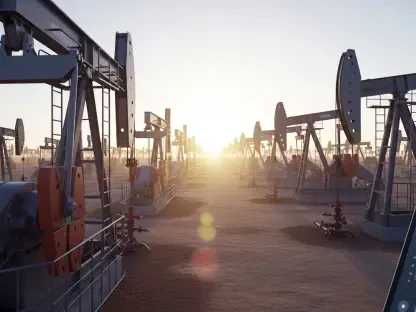
The waste material unearthed during the hydraulic fracturing process represents a complex and hazardous brew of contaminants pulled from deep within the earth. When drillers fracture the Marcellus and Utica shale formations, they bring to the surface materials laden with naturally occurring radioactive elements such as radium, uranium, and thorium. This waste is also laced with a variety of harmful heavy metals, including arsenic and lead, as well as a suite of synthetic chemicals employed in the drilling process, such as the known carcinogen benzene. The sheer volume of this waste is difficult to comprehend. A comprehensive analysis of state records from 2017 to 2024 revealed that oil and gas operators in Pennsylvania produced nearly 8.8 million tons of solid waste during that period alone. To place this figure in perspective, the annual average of this industrial refuse surpasses the total amount of municipal waste generated by every resident and business in Allegheny County, which includes the major metropolitan area of Pittsburgh. Of this massive total, official records indicate that approximately 6.3 million tons were sent to landfills within Pennsylvania, though investigative reporting suggests the true figure is significantly higher due to gaps in the state’s tracking and reporting systems. This deluge of hazardous material is now being absorbed by a network of landfills that were never designed to manage this type of industrial refuse.
The reliance on municipal landfills to handle this specialized waste stream has created contamination hotspots across the state. At least twenty-two landfills throughout Pennsylvania are currently accepting oil and gas waste, often with what appears to be dangerously insufficient oversight from regulatory agencies. An alarming number of these facilities are already failing to meet basic environmental standards, indicating a systemic problem with containment and management. An in-depth review of public records found that four of these landfills are out of compliance with their operating permits, and seven have been in violation of the federal Clean Water Act for six months or more within the last five years. Furthermore, thirteen of these facilities are actively discharging either treated wastewater or stormwater into waterways that have already been classified by the U.S. Environmental Protection Agency as “impaired,” meaning they are too polluted to meet established water quality standards for fishing, swimming, or as sources of drinking water. This practice of adding new pollutants to already-stressed ecosystems demonstrates a critical flaw in the state’s environmental protection strategy. The fundamental issue remains that these landfills were primarily designed for household and commercial refuse, not for waste containing a mix of radioactive elements, heavy metals, and volatile organic compounds.
Ground Zero at the Landfill Leachate Crisis
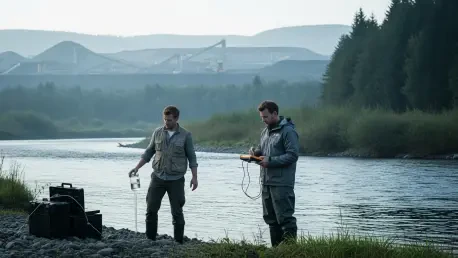
The Westmoreland Sanitary Landfill, situated in a valley south of Pittsburgh, serves as a stark and troubling case study of this statewide crisis. Local environmental scientists and watershed advocates who regularly monitor a tributary downstream from the landfill’s discharge point have documented clear and persistent signs of contamination. They frequently observe “stiff globs of foam” coating the water’s surface, a phenomenon that is conspicuously absent in the same stream just a short distance upstream from the facility. During one visit, these monitors witnessed a dramatic and disturbing visual of the “toxic cocktail” being mixed in real-time. On one side of the stream, the water flowed with a reddish-orange hue, a telltale sign of historic acid mine drainage seeping from abandoned coal operations. Flowing from a culvert directly connected to the landfill, however, was a chalky white plume, which experts believe is caused by aluminum-heavy drainage originating from the old coal mine located directly beneath the landfill itself. This visual evidence highlights the direct interaction between legacy pollution and the new waste stream, creating a chemical soup whose properties and toxicity are not fully understood. The landfill’s location atop a former mine creates a perfect storm for this dangerous synergy, turning a local stream into a living laboratory for an uncontrolled experiment.
The situation at Westmoreland is underscored by a long history of environmental violations and a critical failure in the waste management chain. The landfill has received four separate consent orders from the Pennsylvania Department of Environmental Protection (DEP) since 2020 for various infractions. The facility gained notoriety in 2018 when the local municipal sewage plant made the unprecedented decision to stop accepting the landfill’s leachate, publicly deeming it too toxic and difficult to process—a change that activists and environmental scientists directly attribute to the massive influx of fracking waste that began years earlier. As a result, the landfill now trucks its concentrated toxic liquid to other off-site facilities, all while pursuing a permit to construct its own treatment plant that would discharge directly into the Monongahela River, a primary source of drinking water for hundreds of thousands of people in the region. Scientific analysis has confirmed these fears. A review of Westmoreland’s own leachate data, conducted by a professor at Duquesne University, showed that its chemical makeup is consistent with fracking waste, containing elevated levels of key markers like barium, benzene, toluene, and xylenes. The professor warns that mixing these various pollutants creates a “toxic stew” that is exceedingly difficult, if not impossible, to treat effectively with conventional wastewater technologies.
A Statewide Contagion Spreading Unchecked
The deeply troubling problems documented at the Westmoreland landfill are not an isolated anomaly but rather indicative of a pattern that is repeating itself across the Commonwealth of Pennsylvania. A landmark 2023 study conducted by researchers at the University of Pittsburgh and Duquesne University discovered elevated levels of radium—a radioactive element commonly found in fracking waste—in the sediment of rivers downstream from five different landfills that accept this material. This finding provides scientific validation that these facilities are acting as conduits for radiological contamination to escape into the environment. Further research has revealed that this contamination is actively entering the local food chain. Scientists have found that radium is bioaccumulating in the bodies and shells of freshwater mussels living near waste treatment facilities, signaling a direct pathway for these hazardous materials to move through the aquatic ecosystem and potentially impact wildlife and human health. In the rural, tourism-dependent Tioga County, the Phoenix Resources landfill has transformed a once-pristine natural area into what one retired ecologist has grimly described as “little Texas.” Leachate from this facility shows barium levels nearly five times higher than the federal drinking water standards, and the resident details how an “industrial zone” of drilling pads, pipelines, and relentless truck traffic has shattered the peace of the region and frayed the community’s social fabric.
The scale of the problem is further illustrated by the situation at other major facilities, proving that the issue affects both rural and more densely populated areas of the state. Near the city of Scranton, the Keystone Sanitary Landfill accepted over 1 million tons of oil and gas waste between 2017 and 2024, making it one of the largest recipients of this industrial refuse. The facility, which is located alarmingly close to residential homes, a community playground, and several schools, is now facing fierce and organized community opposition to a proposed expansion that would allow it to continue accepting waste for decades to come. The concerns of local residents were validated in 2025 when the landfill was fined $15,000 for exceeding its leachate storage capacity, a violation that occurred after it was found to be generating an average of 7 million gallons of the toxic liquid every single month. This enormous volume of contaminated water highlights the immense pressure that climate change—which is bringing more intense rainfall to the region—is placing on these facilities. The increased precipitation percolates through the waste, generating more leachate than the landfills’ collection and storage systems were designed to handle, thereby increasing the risk of overflows and emergency discharges into nearby waterways.
A Legacy of Extraction and Regulatory Failure
The escalating crisis of contaminated waterways points toward a systemic and profound failure on the part of state regulators to adequately protect Pennsylvania’s environment and the health of its citizens. Despite a growing body of clear evidence from on-the-ground observations, scientific studies, and the landfills’ own monitoring data, little has been done to fundamentally change how this toxic waste is handled, transported, or disposed of. The state’s Department of Environmental Protection, the very agency charged with safeguarding natural resources, has been largely ineffective in holding polluters accountable or in creating more stringent regulations to address the unique risks posed by oil and gas waste. This pattern of inaction was publicly condemned in a scathing 2020 grand jury investigation, which concluded that the Commonwealth of Pennsylvania had systematically failed in its constitutional responsibility to protect the public from the industry’s widespread impacts. The grand jury issued eight key recommendations for reform, including a call for clearer labeling and tracking of fracking waste, but it ultimately lamented that there appears to be “no long-term sustainable solution to managing the toxic waste” under the current regulatory framework. The lack of accountability is made worse by the state’s industrial history, as operators can conveniently blame legacy pollution from long-defunct mining companies for any contamination found, making it difficult to hold current polluters legally and financially responsible.
This entire situation had placed Pennsylvania in a familiar and tragic “cycle of extraction,” a term used by one watershed advocate to describe the state’s history. The Commonwealth was still grappling with the multi-billion-dollar, multi-generational cleanup of its first major energy boom—coal mining—while simultaneously allowing a new, poorly regulated industry to create a potentially more complex and insidious pollution problem for future generations to solve. The documented journey of this waste, from its creation deep underground to its transport to ill-suited landfills and its inevitable escape into the water cycle via leachate, highlighted the tangible fears of communities who fish, swim, and draw their drinking water from these increasingly threatened waterways. The frustration among residents and local advocates was palpable as they fought for accountability from corporations and meaningful action from a government that appeared to be failing in its most basic protective duties. The overarching conclusion was that Pennsylvania had been conducting a dangerous, uncontrolled experiment by mixing a new generation of industrial toxins with the lingering poisons of its past, with the state’s invaluable waterways and the health of its residents hanging precariously in the balance. The final, lingering question posed by a local advocate encapsulated the central anxiety of the crisis: as new forms of pollution continued to interact with the old, “What’s next?”