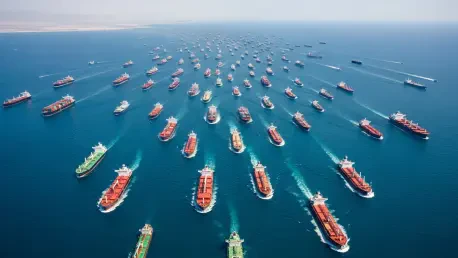

The rhythmic pulse of global commerce has suddenly skipped a beat as the world’s most vital maritime artery transforms into a high-stakes toll road. For decades, the Strait of Hormuz functioned as a free international corridor, but a month of intense conflict between Iran, the United States, and Israel has brought traffic to a grinding halt. Now, Tehran is moving to codify its control through “security fees,” a legislative maneuver that threatens to turn a temporary military standoff into a permanent economic chokehold.
Reports of exorbitant, unverified payments being solicited from desperate vessel operators suggest that the transition from an open waterway to a guarded Iranian outpost is already underway. This shift represents a fundamental challenge to the principle of “innocent passage” that has governed the seas for generations. As tankers sit idle and insurance premiums skyrocket, the specter of a global economic meltdown looms over a world that was once accustomed to the seamless flow of energy.
The High Cost of Passage in a Chokepoint Under Siege
The current standstill in the Strait of Hormuz is no longer just a regional skirmish; it is a calculated transformation of geography into a weapon. Tehran’s move to impose “security fees” serves as a blunt instrument of economic warfare, designed to extract concessions from a global community that relies on this narrow passage. Vessels that once sailed freely now face a gauntlet of Iranian patrols demanding payment for the right to move toward their destinations.
This shift has created a burgeoning reality where maritime law is being rewritten by force. The ambiguity of these fees, coupled with the lack of international oversight, has left shipping companies in a state of paralysis. Without a clear diplomatic off-ramp, the “toll road” model could set a dangerous precedent, emboldening other nations to monetize critical maritime chokepoints and further fragment the global trading system.
A Geopolitical Chessboard with Global Economic Stakes
The Strait of Hormuz serves as the jugular vein of the global energy market, responsible for the transit of nearly one-fifth of the world’s oil consumption. When this chokepoint is threatened, the tremors are felt from the boardrooms of Wall Street to the gas pumps of small-town America. The current crisis has effectively severed a primary artery of the global economy, forcing a sudden and painful adjustment in energy logistics and pricing models.
With diplomatic channels between Washington and Tehran showing signs of total collapse, the imposition of tolls represents Iran’s attempt to weaponize its position. This is not merely about revenue; it is about leverage. By controlling the flow of oil, Iran exerts influence over the economic stability of its adversaries, turning a military stalemate into a persistent pressure point that complicates international responses to regional aggression.
The Mechanics of Escort Fees and Energy Market Volatility
Proposed legislation by the Fars news agency aims to formalize Iranian supervision under the banner of “secure passage,” a move that masks deeper strategic intentions. This law seeks to legitimize the extraction of fees from international shipping, effectively turning the Iranian navy into a mandatory—and expensive—escort service. Such a move bypasses international maritime conventions and places the burden of regional security costs directly on global consumers.
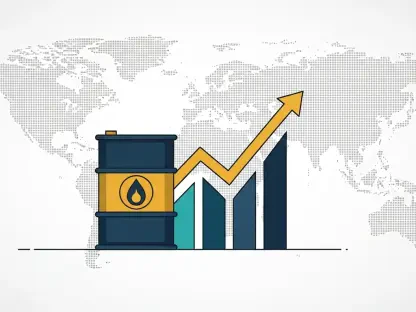
The market reaction has been swift and severe, with Brent crude surging to $165 per barrel. This price hike reflects a profound disconnect between physical supply reality and speculative fear, as traders bet on a long-term blockade. Furthermore, reports of a “shadow economy” have emerged, where informal side bargains and exorbitant fees are demanded from tankers attempting to bypass the official traffic blockages, further destabilizing the energy landscape.
Expert Perspectives on Diplomatic Stalemate and Regional Resistance
Energy analysts and geopolitical strategists warn that Iran’s gambit faces an uphill battle against international law and regional interests. The Gulf Cooperation Council, led by Saudi Arabia and the UAE, views Iranian tolls as an existential threat to their sovereign export capabilities. These nations are unlikely to accept a system where their primary economic output is subject to the whims and taxes of a regional rival.
Strategic experts, including Karen Young of Columbia University, argue that a “toll booth” model is diplomatically impossible to maintain in the long term. The rejection of recent peace proposals suggests that Iranian officials have dismissed diplomatic off-ramps in favor of escalation. However, the limits of bilateral “side bargains” are becoming clear; regional exporters are likely to reject such agreements to protect the integrity of international shipping lanes and their own economic independence.
Navigating the Fallout: Strategic Realities for Global Stakeholders
As the crisis evolved, international players began to navigate a landscape where maritime law was being rewritten by force. The feasibility of alternative pipelines and land routes came under intense scrutiny as nations sought to bypass the Hormuz chokepoint. While these alternatives provided some relief, they were insufficient to replace the sheer volume of the sea route, highlighting the continued necessity of maintaining open waters through either military or diplomatic means.
To mitigate the impact of $165 oil, importing nations turned toward strategic reserve releases and aggressive demand management. Meanwhile, a framework for international legal challenges emerged, aimed at contesting unilateral tolls in straits used for international navigation. Global stakeholders prioritized the formation of naval coalitions to ensure freedom of navigation, recognizing that allowing a single nation to tax international trade routes would fundamentally compromise the stability of global commerce.